
The Movement for the Autonomy of Kabylia (MAK) and the Provisional Kabylie Government in Exile (Anavad) have announced plans to formally request international recognition for the Kabylie people’s right to self-determination.
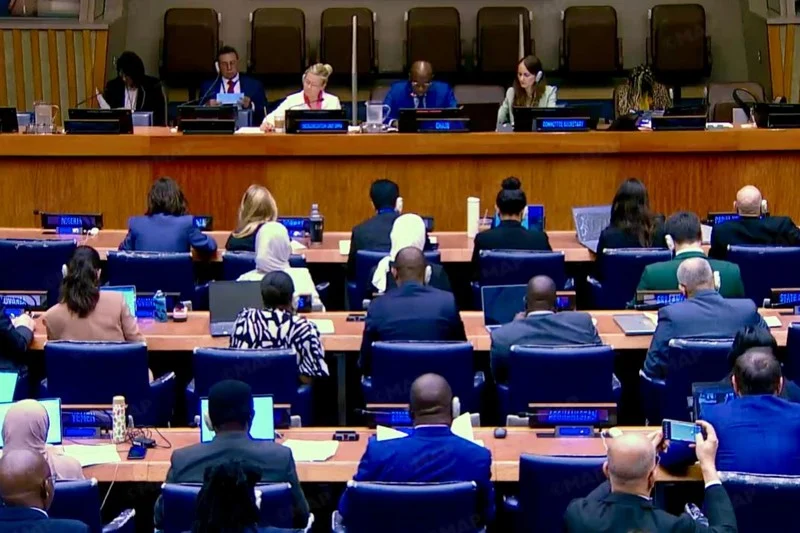
In a move that could significantly escalate tensions in the region, the group intends to petition numerous countries, including Morocco, to support their cause at the United Nations Special Committee on Decolonization.
According to a high-ranking official within the MAK, the movement will bolster these requests with a recently obtained legal opinion from a prominent London-based international law firm.
This opinion, the official claims, unequivocally recognizes the Kabylie people as a distinct nation and affirms their right to self-determination under international law.
“The fact that such a renowned law firm, with over 100 lawyers, has issued this opinion is a major breakthrough for our cause,” the official asserted. “It gives our struggle significant international momentum.”
The MAK source further indicated that the firm is fully aware of potential legal challenges from the Algerian government but has proceeded with the opinion, confident in the strength of their evidence.
“They would not risk their reputation if they did not believe that the Kabylie people have a legitimate claim to self-determination,” the source emphasized.
The decision to pursue international recognition comes after previous attempts by the MAK to engage with the Moroccan government.
In the past, the movement has formally requested Morocco’s support for the declaration of a Kabylie state.
Ferhat Mehenni, leader of the MAK and the Provisional Kabylie Government, has even publicly called on Morocco to recognize his government and has expressed hope for establishing a representative office in Rabat.
While the Kabylie movement has long sought greater autonomy within Algeria, its recent efforts to gain international recognition suggest a more ambitious goal of establishing an independent Kabylie state.







add your comment
Terms of publication : Not to offend the writer, people, sacred things, or attack religions or the divine self, and refrain from racist incitement and insults.