
Morocco’s Ministry of Transport and Water has detailed five major impacts of the ongoing drought on the country’s water resources in a recent statement posted on its website, “L’ma Diaylna.”
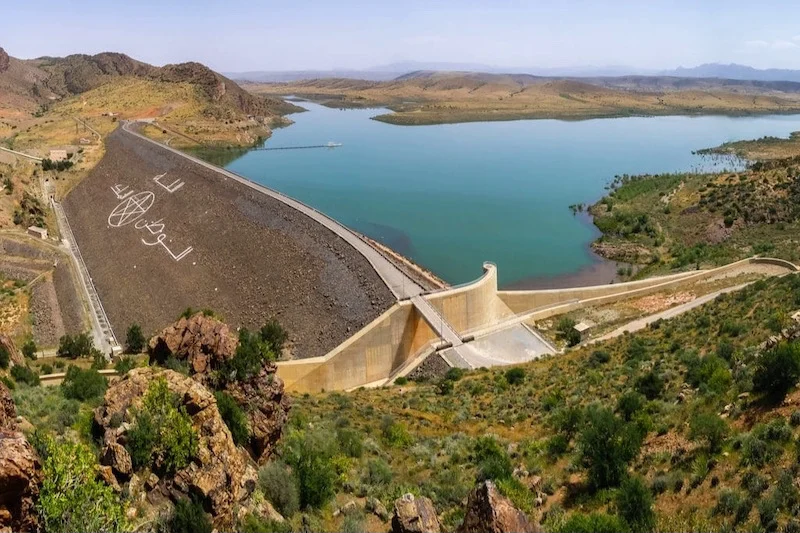
The country is experiencing its sixth consecutive year of drought, with the consequences of dwindling rainfall and extended heat waves becoming increasingly severe. The ministry reported a dramatic 78% decrease in surface water volume over the past six years, dropping from more than 15 billion cubic meters to under 4.84 billion cubic meters.
This substantial reduction threatens to dry up lakes and rivers, severely impacting both agricultural and drinking water supplies.
Groundwater levels are also declining rapidly, with some sources dropping by as much as four meters annually. The insufficient rainfall is preventing the natural replenishment of these resources, leading to concerns about worsening water quality. Increased pollutant concentrations and reduced biodiversity in water bodies are expected as scarcity grows.
The drought is exacerbating socio-economic conditions in Morocco, with agriculture—a crucial sector of the economy—suffering from erratic weather patterns. The water shortage is jeopardizing crop yields and livestock, prompting the government to implement emergency measures for the current agricultural season.
These measures include scaling back cultivated areas, employing localized irrigation techniques, and constructing hill dams to supply water for livestock.
To address the severe impacts of the drought and frequent water shortages in several cities, the government plans to build sixteen new dams with a total capacity of 5 billion cubic meters. Additionally, investments are being made in desalination plants, “water highways,” and the reuse of treated wastewater to bolster water supply resilience.






add your comment
Terms of publication : Not to offend the writer, people, sacred things, or attack religions or the divine self, and refrain from racist incitement and insults.