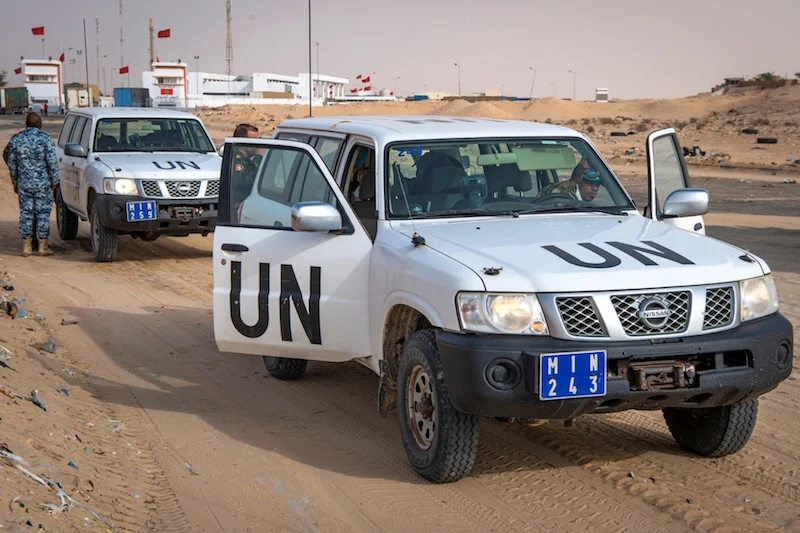
The growing international endorsement of Moroccan sovereignty over Western Sahara and the autonomy initiative is reshaping the United Nations’ approach to the long-standing conflict, raising questions about the shifting dynamics within the UN and its Security Council.
Bousselham Issat, a researcher in political and international studies, told Hespress that increasing global recognition of Morocco’s sovereignty and its proposed autonomy plan is influencing the UN’s strategy.
He noted that while some regional actors may aim to prolong the conflict to undermine Morocco—now a significant regional player—emerging international support is pushing the UN to adjust its stance.
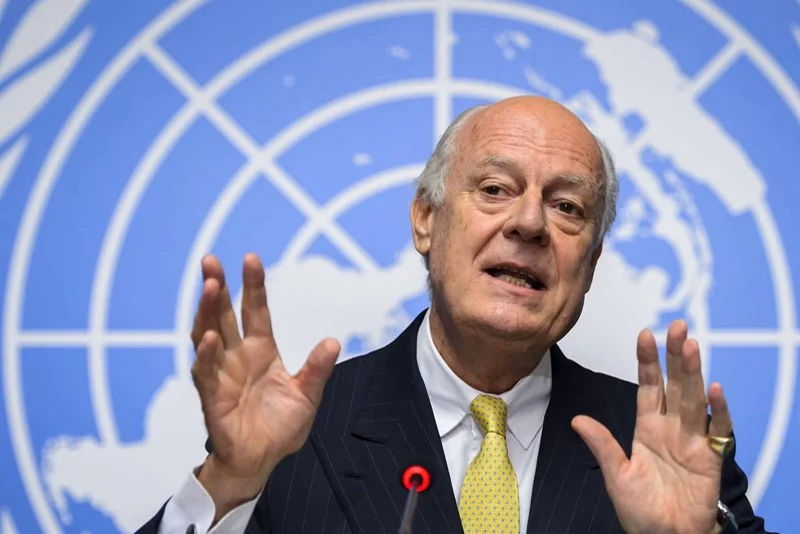
Issat highlighted two key developments: First, the rising international support for Moroccan sovereignty and autonomy might persuade hesitant countries to align with this perspective. Second, the UN’s approach will need to adapt, with the Secretary-General and Special Envoy expected to incorporate these changes into their reports.
The Security Council is anticipated to align its decisions with the evolving on-the-ground reality and international backing for the autonomy initiative, which it has viewed as a viable solution since 2007.
Abdelali Benlias, a political science professor at Mohammed V University, views the international support for Morocco’s sovereignty and autonomy initiative as a significant shift. He told Hespress that this support marks a new phase in the conflict, reflecting the views of influential nations like France, the United States, and Spain.
Benlias explained that these countries are increasingly concerned about the conflict’s security, political, economic, diplomatic, and social repercussions on regional stability, particularly amidst global challenges such as security threats, climate change, and geopolitical tensions.
He emphasized that the ongoing conflict hinders regional development and North African interrelations, prompting international stakeholders to seek resolution.
The professor also pointed out that France, given its historical ties and influence in the Maghreb, could play a crucial role in advancing the political settlement process for the conflict.
As international support for Moroccan sovereignty continues to grow, it is expected to significantly impact the UN’s strategy and the broader geopolitical landscape surrounding the Western Sahara conflict.




add your comment
Terms of publication : Not to offend the writer, people, sacred things, or attack religions or the divine self, and refrain from racist incitement and insults.