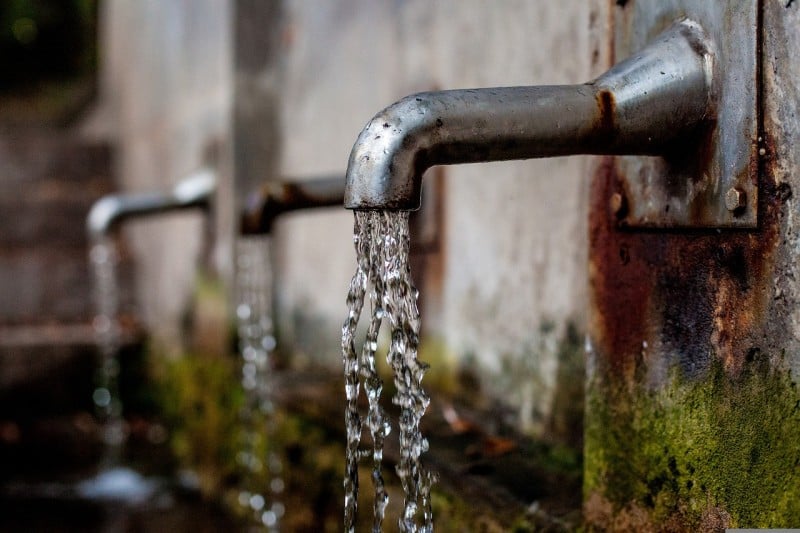
Several regions in Morocco have implemented stringent measures to rationalize water use amid ongoing drought.
In Casablanca-Settat, measures have included closing public baths for three days and implementing temporary water supply cuts from 9 PM to 12 PM. Rabat and Salé have introduced restrictions on using drinking water for street cleaning, irrigation, and washing vehicles, opting for treated water where possible.
Rabat-Salé-Kenitra, Tangier-Tetouan-Al Hoceima, especially in Al Hoceima and Larache, and parts of Draa-Tafilalet also saw measures accelerated in response to extreme heat waves in July and August.
Additional measures across various regions include banning the planting of natural grass and limiting the operation of swimming pools to four days a week.
Pools cannot be filled more than once a year. Awareness campaigns and regulations for routine maintenance of water infrastructure and smart water-saving equipment have been emphasized, alongside administrative controls for enforcement.
In the Drâa-Tafilalet region, efforts include maintaining production and distribution networks, and banning the cultivation of watermelons. Similar restrictions apply to the cultivation of water-intensive crops and vegetables without permission.
These measures reflect a strategic response to climate change and ongoing drought, aimed at preserving water resources for current and future generations while fostering community awareness about the importance of water conservation.






add your comment
Terms of publication : Not to offend the writer, people, sacred things, or attack religions or the divine self, and refrain from racist incitement and insults.