
Morocco is watching the winter forecast closely as farmers begin planting cereals and water reserves remain far above last year’s levels.
A powerful El Niño is developing in the Pacific Ocean, raising concerns about its possible effects on Morocco’s rainfall and water supplies.
But the Morocco’s meteorological agency says the phenomenon alone cannot predict whether Morocco will face a dry winter.
The General Directorate of Meteorology (DGM) told Hespress on Nov. 25 that El Niño’s direct influence on Morocco’s winter weather is expected to remain limited.
Morocco enters the season with stronger water reserves
Morocco’s agricultural season began in November with improved water availability following last season’s heavy rainfall.
The Food and Agriculture Organization said national reservoirs were nearly 66% full in early November, compared with about 30% a year earlier.
The recovery has already translated into a stronger cereal harvest.
Morocco produced an estimated 9 million tonnes of cereals in 2026, nearly 70% above the five-year average and almost double the drought-hit 2025 output, according to the FAO.
However, the start of the 2026-2027 season has brought mixed rainfall figures.
Morocco received 43 millimeters of rain by Nov. 10, according to a parliamentary report. That represented an increase of 183% compared with the same period last year, but remained 36% below the 30-year average of 68 millimeters.
Dam reserves reached 9.3 billion cubic meters, or 64% of capacity, the report said.
The figures show that Morocco has entered the season in a stronger position, but farmers still need regular rainfall to sustain the recovery.
Why El Niño does not automatically mean drought in Morocco
El Niño occurs when surface waters in the central and eastern equatorial Pacific become unusually warm. The warming alters atmospheric circulation and can shift rainfall patterns around the world.
The current episode could become one of the strongest on record, with international forecasts pointing to a peak around December 2026 and persistence through February 2027.
But Morocco does not receive its winter rainfall directly from the Pacific.
The DGM says Morocco’s winter weather depends more heavily on conditions over the North Atlantic, particularly the North Atlantic Oscillation, or NAO.
The NAO affects the movement of Atlantic weather systems toward Morocco. Changes in the Azores High and the jet stream can also determine whether rain-bearing depressions reach the country or move farther north.
El Niño can interact with these systems, but its influence varies by season and region.
El Niño’s influence appears more noticeable in some central, eastern and southeastern areas during spring than during winter.
That means a strong El Niño does not automatically signal a dry winter across Morocco.
Farmers need rain at the right time
The timing of rainfall will determine how much Morocco benefits from its improved water reserves.
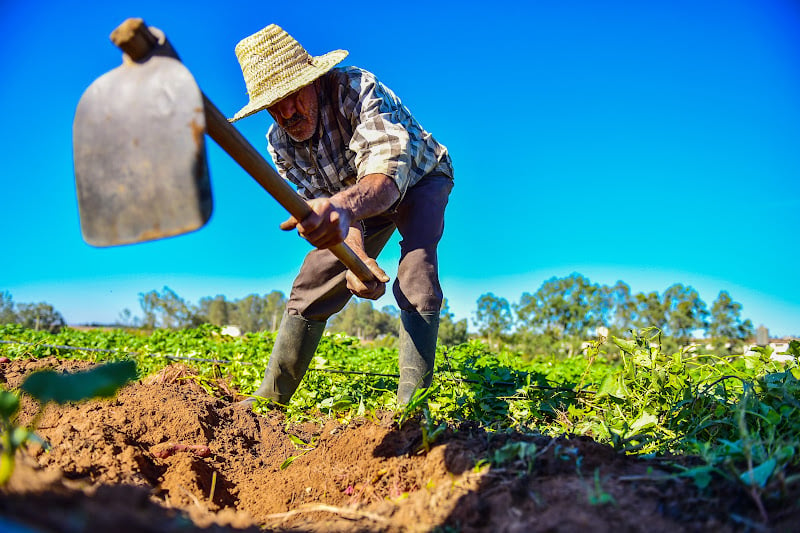
The planting of winter wheat and barley began in early November, the FAO said. Most cereal production in Morocco remains rainfed, leaving farmers dependent on rainfall throughout the growing season.
Late or insufficient rain could delay planting, reduce soil moisture and weaken crop development.
A dry spell during winter or spring could also affect yields, particularly in areas where farmers cannot rely on irrigation.
The FAO said seasonal forecasts indicate above-average precipitation in northwestern Morocco between December 2026 and February 2027. The rainfall could support crop establishment and early development.
But the outlook does not guarantee a strong harvest since rainfall must reach the main agricultural regions and continue through the stages when cereals need moisture most.
Water security remains a concern
Morocco’s improved dam levels offer a buffer against another dry period, but they do not eliminate the country’s long-term water challenge.
The country endured seven consecutive years of drought before last season’s rainfall replenished reservoirs and soil moisture.
If rainfall weakens again, the effects could spread beyond cereal fields. Farmers may face tighter irrigation supplies, while water authorities could come under renewed pressure to balance agricultural demand with drinking water needs.
Morocco has expanded investment in desalination, dam construction and water transfers to reduce its dependence on rainfall.
Still, these projects cannot replace the need for regular precipitation across rainfed farmland.





add your comment
Terms of publication : Not to offend the writer, people, sacred things, or attack religions or the divine self, and refrain from racist incitement and insults.