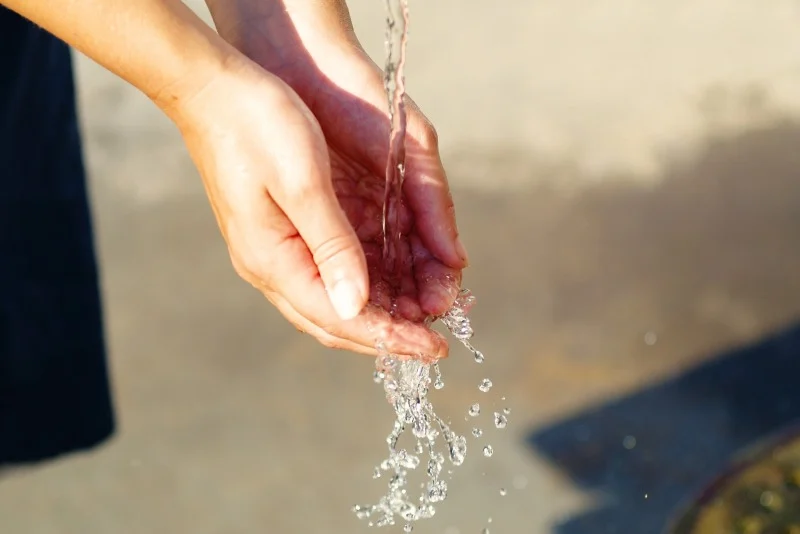
Several Moroccan cities, including Casablanca, Settat, Sidi Bennour, and El Jadida, are experiencing frequent controlled water cuts as the country continues to battle a severe drought. Residents of these affected areas are voicing growing concerns about declining water quality and restricted access to the vital ressource.
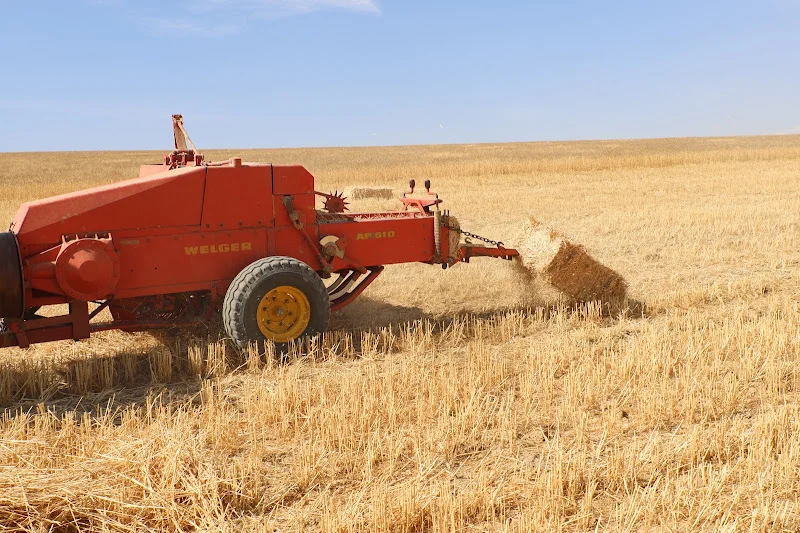
The water crisis is particularly acute in Settat, where the Al-Massira dam, Morocco’s second-largest, has nearly run dry. The once fertile agricultural land around the dam has turned into a barren expanse, marking the sixth consecutive year of drought in the region.
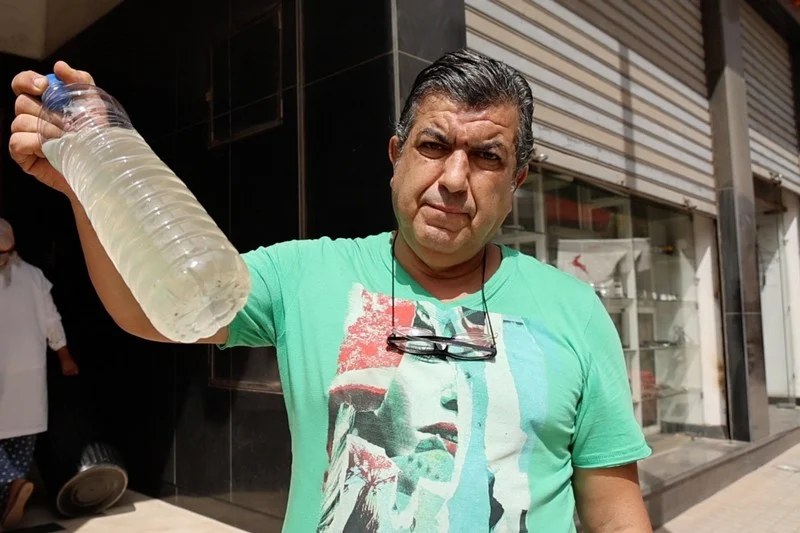
In response, local authorities in Settat convened an urgent meeting to address the escalating water shortage. Proposed measures include enforcing stricter water consumption regulations and combating illegal water usage. Residents have also reported deteriorating drinking water quality, with noticeable changes in taste and color.
Casablanca faces a similar predicament in the Belvedere neighborhood. Residents on Rehal Ben Ahmed Avenue have endured contaminated water for over 18 months. An investigation by the water company Ledec found that the main pipes were outdated and dilapidated. Although temporary repairs have been made, locals describe these fixes as inadequate.
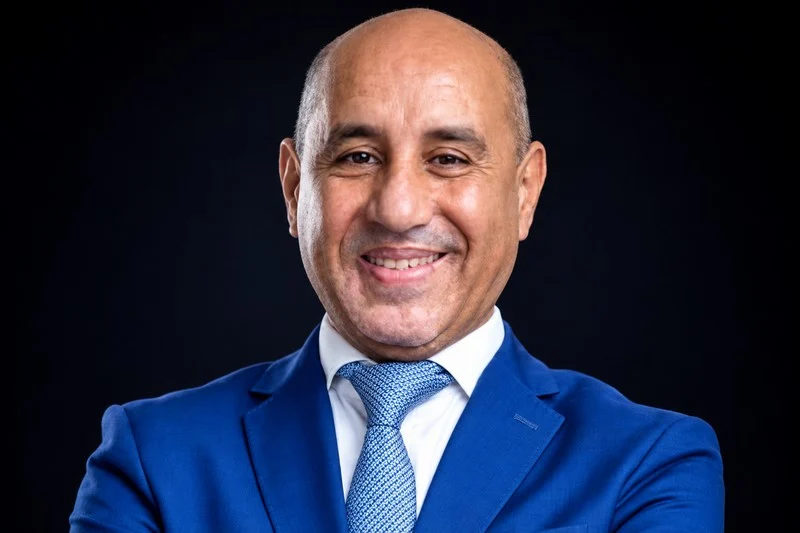
The broader issue of water injustice in Morocco is highlighted by these crises. According to Nizar Baraka, the Minister of Equipment and Water, more than half of the country’s water supply is concentrated in just 7% of the territory.
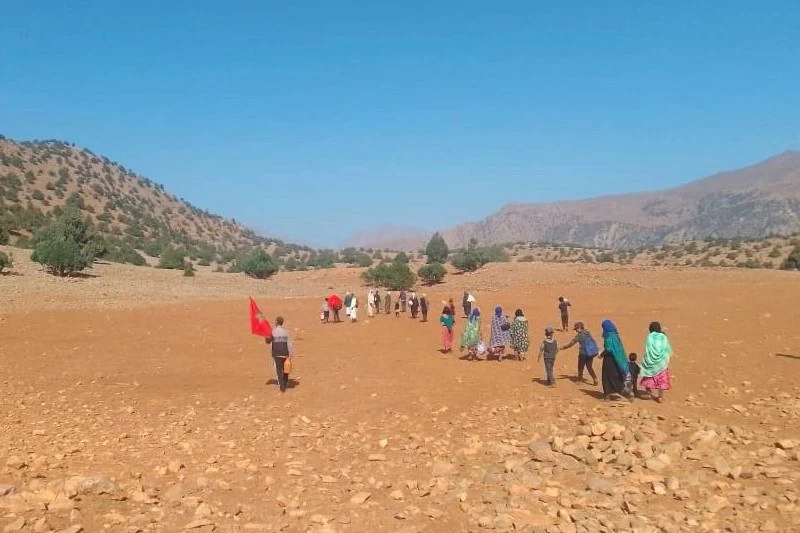
In Imilchil, residents are not only protesting water quality but also fighting for access to this vital resource. Similar to the “thirst protests” in Zagora in 2017, Imilchil’s residents must travel to Azilal province, seven kilometers away, to obtain water, facing challenging terrain that exacerbates their struggle.
To address the water crisis, Moroccan authorities are focusing on expanding seawater desalination, with plans to significantly increase production by 2030.
Additionally, the government is accelerating “water highway” projects to transport water from the wetter northern regions to the drier south. Minister Baraka warned that without these efforts, Casablanca and Rabat might have faced severe water shortages by late 2023.







add your comment
Terms of publication : Not to offend the writer, people, sacred things, or attack religions or the divine self, and refrain from racist incitement and insults.