
May in Morocco launches forward a banger season of festivals that have in the last two decades, grown to become a platform for the state to refine its cultural politics – but also a stage for Moroccans to cut loose and have some fun!
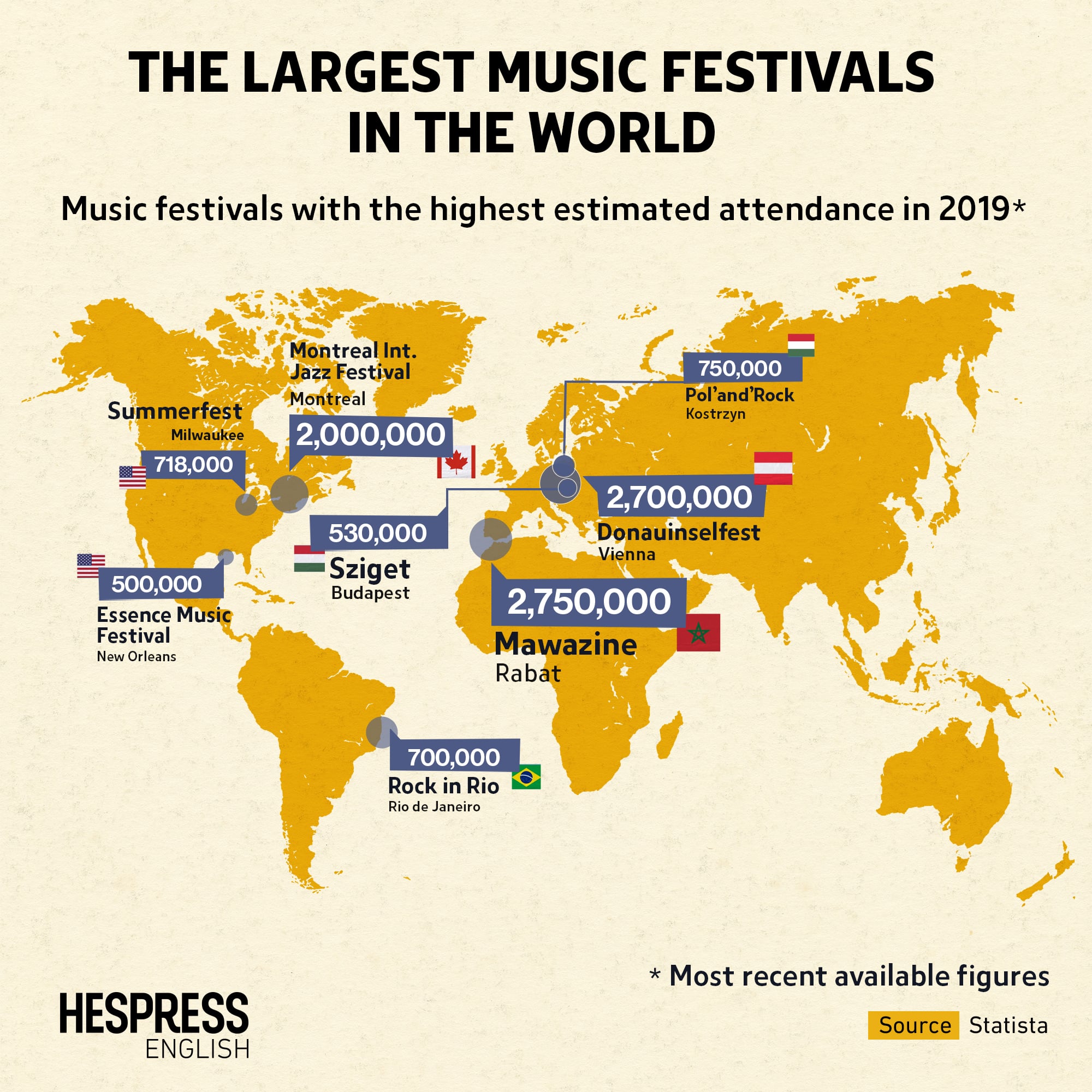
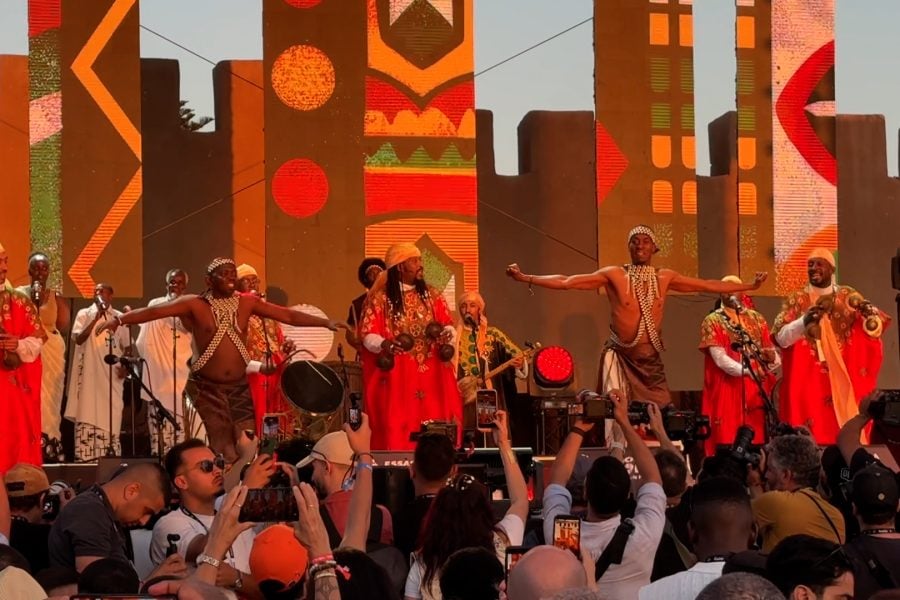
Mawazine, which could cost up to 1,800 DH, is the biggest summer music festival in the nation. With its nine days and six stages, It will be the pinnacle of the season. In 2019, Mawzine pulled in a whopping 2.75 million people, making it the world’s biggest music festival.
But music festivals haven’t always been such a huge deal.
How did festivals begin in Morocco?
Mawazine “has become a festival with a strong civic dimension that offers a real alternative in a country where the music industry is non-existent, where the market suffers from piracy and where budgets of the Ministry of Culture are limited,” the event’s patron Association Maroc Culture Mawazine said in its releases for the 2019 edition.
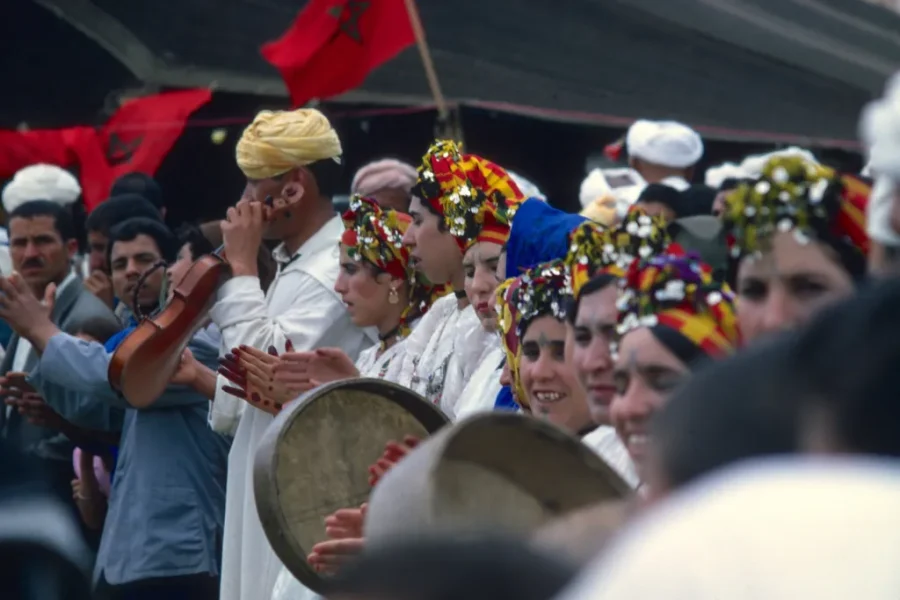
This is a far cry from the landscape of private palace concerts during King Hassan II’s reign, when celebratory occasions were primarily centered around national holidays like the Festival of the Throne and the Green March, alongside ancestral ceremonies like the Moussem, all actively promoted by the government.
Since King Mohamed VI’s coronation, festivals have gained importance as a sign of openness under the new king and a strategic move to boost tourism.
Events like the 2003 terrorist attacks in Casablanca further amplified festivals as a wake-up call for civil and political leaders to recognize the power of artistic expression to counter extremism and terrorism.
Economic models for festivals in Morocco
Two distinct festival models exist in Morocco. The first model involves festivals entirely organized and financed by the Ministry of Culture.
Under a decree stipulating its powers, the ministry is responsible for “developing and promoting the fields of theatre, music, […] and defining initiatives of encouragement and support for artistic creation while guaranteeing dissemination and commercialization.” The Ministry annually organizes around twenty cultural and artistic festivals at a national or international level.
These include events like Festival de Dakka et des Rythmes, Festival International du Luth, and Festival Ahidouss.
In 2022, the Ministry of Culture invested 40 million dirhams in the festivals it organizes or supports, said Mehdi Bensaïd, Minister of Culture in a parliamentary session.
These also include festivals spearheaded by local NGOs and businesses, such as Forum Casablanca, Esprit de Fès, and Fondation des Festivals de Marrakech. These NGOs are considered to serve public utility and benefit from state subsidies that can reach up to 300,000 dirhams.
- 80,000 DH for local festivals
- 150,000 DH for regional festivals
- 200,000 DH for national festivals
- 250,000 DH for international festivals
Such events include famed festivals like Casablanca’s Boulevard and Fes’ Festival Musique Sacré du Monde.
Mawazine stands out as one of the few self-funded festivals, relying on private sponsors and variable revenue (advertising) after public subsidies were cut during the Arab Spring when its perceived extravagance drew criticism.
What kind of impact do music festivals have on the economy?
In the same 2022 parliamentary session, Bensaid that state subsides for festivals are equivalent to “a single dirham invested per Moroccan, which is a very low level compared to the international level.”
He also touted the Fez Festival of Sacred World Music’s success, citing full hotel occupancy in the city during the event.
A study by Valyans firm revealed that each dirham invested in Essaouira’s Gnaoua Festival generates 17 dirhams in return, injecting 240 million dirhams into the city’s economy during the event. Hoteliers, taxi drivers, and restaurateurs all experience a boom. Similarly, Agadir’s Timitar festival creates thousands of jobs, primarily benefiting locals.
Likewise, Mawazine drives the turnover of tourism in Rabat by more than 20%, and hotel occupancy rates oscillate between 60% and 100% during the festivities.
Retail trade, restaurants, and the transportation sector see their sales increase by an average of 30% during the festival, Mawazine’s official page says.


add your comment
Terms of publication : Not to offend the writer, people, sacred things, or attack religions or the divine self, and refrain from racist incitement and insults.