
When the Justice and Charity Group, in all their daring and religious-chanting masses, exploded onto the streets of Rabat on May 8, 1990, to protest against their members’ arrest, it was clear that the age of mobilized, structured demonstration had arrived to stay. And just a few kilometers away, in the Royal Palace in Rabat, the late King Hassan II was making a move of his own, one that promised to rewrite decades of the nation’s dark human rights record.

Like today, 34 years ago, King Hassan II established the Consultative Council on Human Rights, the country’s first institutional body in charge of advising the King and government on human rights issues – and at that time, it was more urgent than ever.
“Morocco came under international criticism as the human rights movement around the world continued to emerge as an independent actor, although it was sometimes used or exploited in international political conflicts, especially during the Cold War.” Mohamed Kadirim a Professor of Sociology, Ibn Zohr University, Agadir, Morocco, said.
In the 1970s, Moroccan migrants and their allies in France began a campaign targeting human rights abuses in Morocco. By 1987, this movement garnered global attention when the escape of former general Mohamed Oufqir’s children revealed the harsh realities of human rights in Morocco, along with the release of incriminating documents and the publication of exposés detailing atrocities in Moroccan prisons and detention centers during the “Years of Lead.”
While Morocco had begun to reconcile with its human rights abuses in 1989 with the release of political prisoners, the country lacked a body of legislative and administrative measures to parallel this transition.
The Council not only laid that institutional groundwork but also influenced important decisions in the early ’90s: a royal amnesty in 1991 for approximately 300 abductees and political prisoners, a constitutional revision in 1992 emphasizing Morocco’s adoption of internationally recognized human rights, ratification of key international human rights treaties in 1993 (focused on women, anti-torture measures, children, and migration), establishment of a human rights ministry in 1993, and initiation of political dialogue for democratic governance formation, culminating in the “consensual rotation” system in 1998.
This also included an amendment to the Criminal Code that expanded defendants’ rights. They could now appeal convictions based on factual errors, not just legal ones, giving them a stronger chance for a fair trial.
In October 1998, the Council released the findings of its investigation confirming the reality of disappearances, identifying 112 victims, tragically with 56 confirmed dead. King Hassan II accepted the council’s findings.
However, these efforts were not without criticism. Human rights organizations pointed out the limitations, the lack of transparency, and the failure to hold perpetrators accountable. The full weight of the “years of lead” continued to be felt.
A year later, in 1999, reports and recommendations drafted by the council likely contributed to the discussions and actions that led to King Mohammed VI’s official acknowledgment of the biggest open secret in Morocco’s history: detention centers.
Late King Hassan II’s rule was marred by accusations of human rights violations, with disappearances, arbitrary detentions, and torture becoming chilling realities. Notorious secret prisons like Tazmamart and Derb Moulay Cherif became symbols of this dark era.
These hidden facilities were shrouded in secrecy. Tazmamart housed dozens of detainees, some even family members, in suffocating darkness.
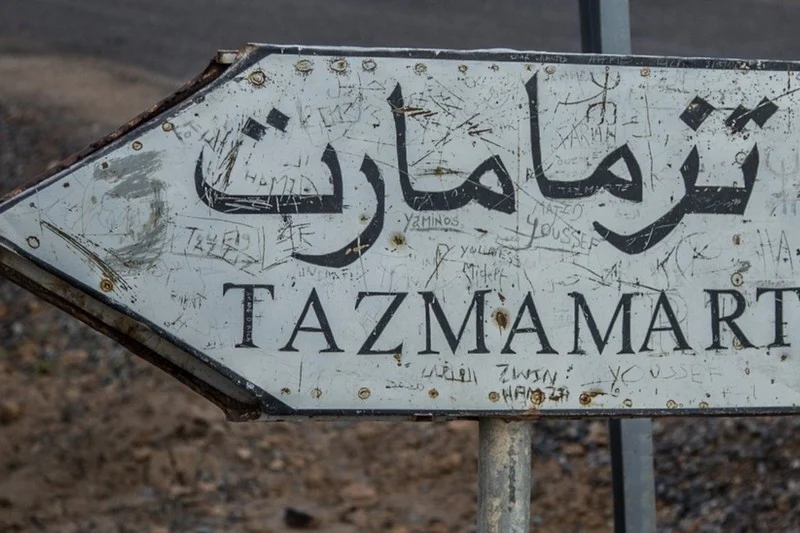
Accounts from survivors describe cramped, windowless cells where they endured unimaginable hardship.
Derb Moulay Cherif, initially a security headquarters, morphed into a secret prison, specializing in detaining political opponents during this period. Both these prisons, along with others like Agdez, became chilling testaments to the repression of the time.
In 1999, King Mohammed VI established the Independent Arbitration Commission for Compensation for Moral and Material Damages Suffered by Victims of Disappearance and Arbitrary Detention and Their Families.
Over nearly four years, the commission received over 5,000 requests from victims and held numerous sessions to hear their stories.
By the end of its mandate in 2003, the Commission had issued nearly 5,500 decisions. These included compensation awards in roughly 3,700 cases, offering some measure of financial relief to victims of enforced disappearance and arbitrary detention.
Almost a billion Moroccan dirhams, equivalent to 100 million dollars, were distributed in total. But not all cases found a resolution. Over 800 requests fell outside the Commission’s scope, and some applicants didn’t receive compensation due to missing documents or unanswered summons.
In 2003, the Consultative Council for Human Rights, now with increased powers, proposed the creation of the Equity and Reconciliation Commission.
This commission saught to address the issues of disappearances and arbitrary detention more comprehensively. It provided financial compensation to victims and their families and offered a platform for them to share their stories.
Since then, Morocco has made significant strides in human rights. A powerful symbol of change lies in the transformation of the former secret prisons. Tazmamart, Derb Moulay Cherif, and Agdez are no longer places of horror. Instead, they were converted into cultural spaces or centers offering support to victims and their families. This serves as a potent message, acknowledging the past while striving for a more just future.

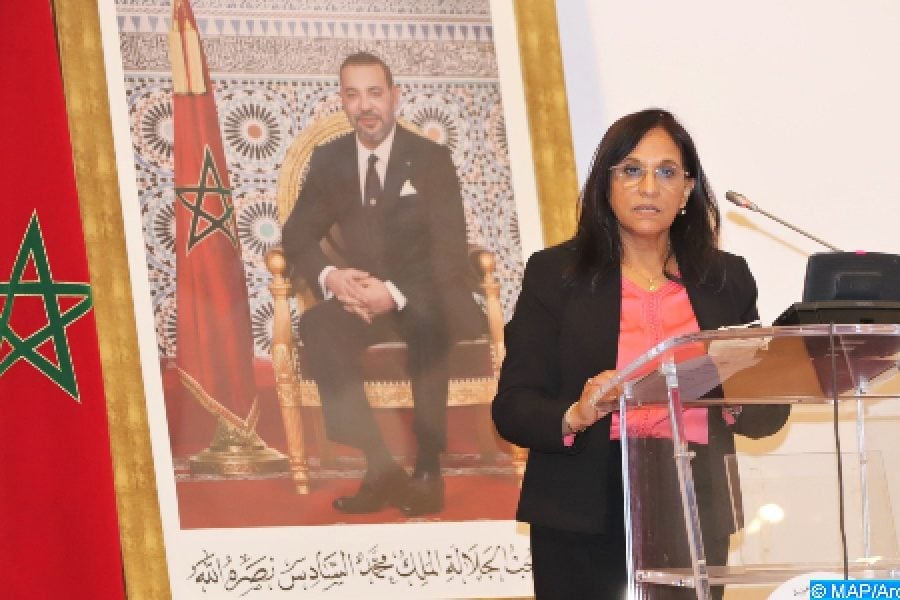
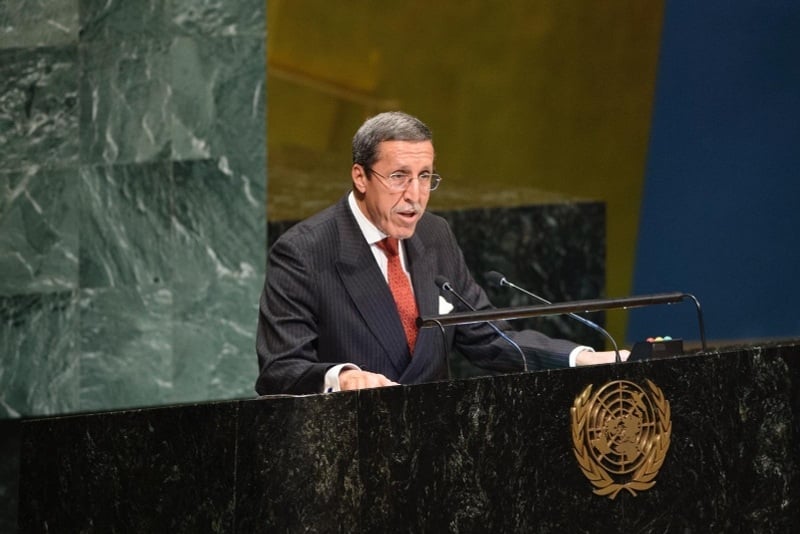
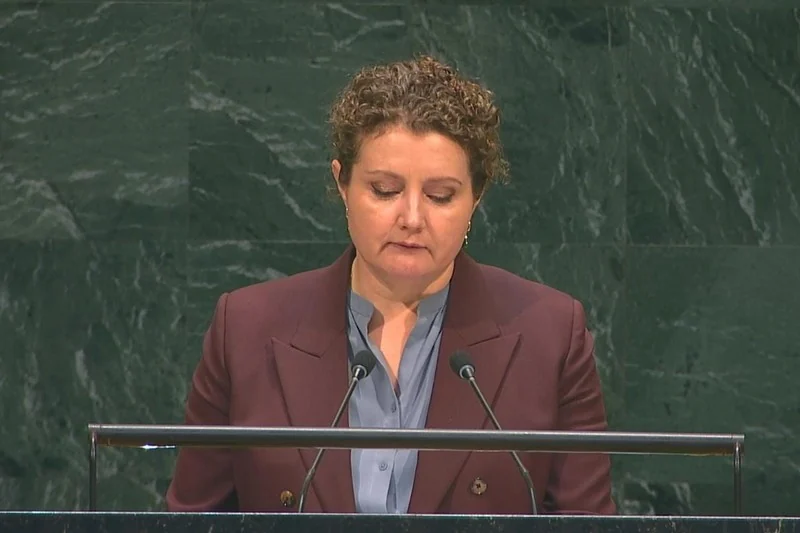
The Advisory Council was later restructured and renamed the National Human Rights Council (Conseil National des Droits de l’Homme, CNDH) in 2011 and has since been actively contributing to legislative and institutional reforms in Morocco.






add your comment
Terms of publication : Not to offend the writer, people, sacred things, or attack religions or the divine self, and refrain from racist incitement and insults.