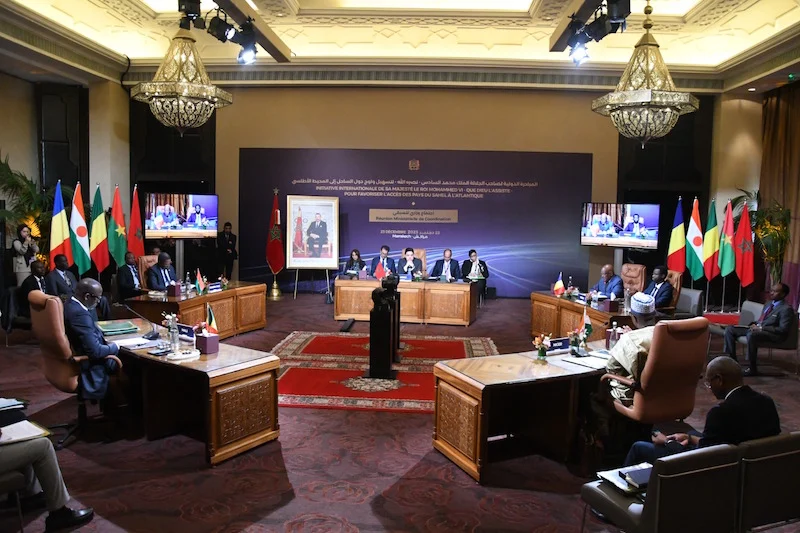
Morocco, Turkey, and Iran have become significant contenders for economic and military dominance in Africa’s Sahel region following France’s recent withdrawal.
With Mali, Burkina Faso, and Niger facing political upheavals and ongoing jihadist violence, the three countries are seeking alternative partnerships to fill the gap left by France’s departure.
Morocco, with its focus on economic development, is offering its expertise in infrastructure to landlocked Sahelian countries like Mali, Burkina Faso, Niger, and Chad.
King Mohammed VI has noted the necessity of upgrading transport and communication networks in the Sahel to foster economic growth and regional integration.
Morocco’s long standing relationships, particularly with Niger, have facilitated its efforts in economic development within the region.
Turkey has emerged as another significant player, offering military equipment and spearheading infrastructure projects to enhance connectivity across the Sahel.
Ankara’s proactive approach has garnered attention, especially in countries like Burkina Faso, where Turkish investments are viewed as potential drivers of economic growth.
Meanwhile, Iran is making strides in the Sahel, signing cooperation agreements with countries like Burkina Faso and Mali.
Despite its revolutionary rhetoric and anti-imperialist stance, doubts persist regarding Iran’s ability to fulfill its promises due to financial constraints and geopolitical challenges.
The withdrawal of French troops, who had maintained a presence across the Sahel, has paved the way for these alternative partnerships.
France’s decision came amid strained relations with Sahelian nations and growing Russian military involvement in the region.
As Sahelian countries navigate political transitions and security challenges, the competition for influence among Morocco, Turkey, and Iran underscores the shifting geopolitical dynamics in Africa’s Sahel.
Each country offers different forms of support and investment, leaving the future geopolitical alignment of the Sahel uncertain.
With instability persisting in the region, these emerging power dynamics will likely shape the Sahel’s trajectory in the coming years.



add your comment
Terms of publication : Not to offend the writer, people, sacred things, or attack religions or the divine self, and refrain from racist incitement and insults.