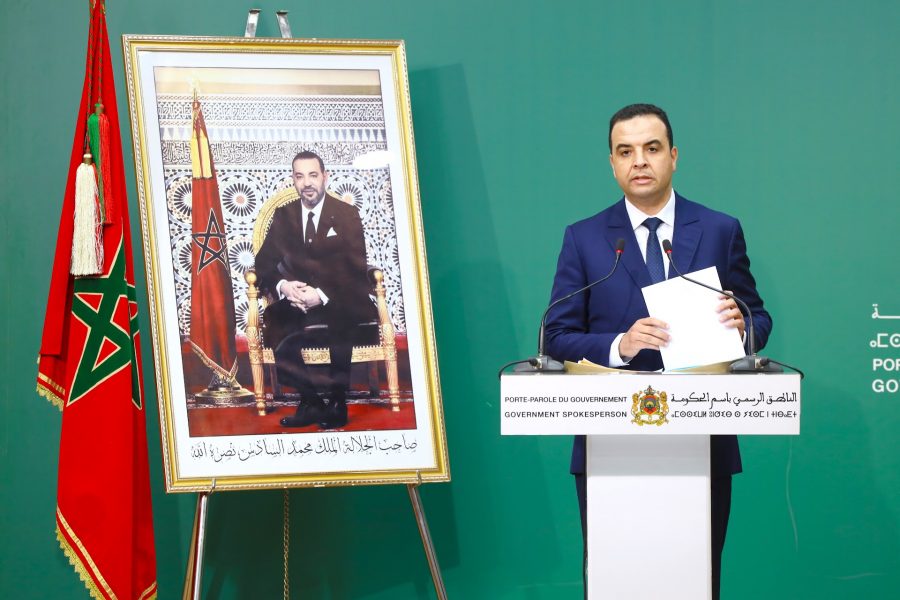
In Morocco, nationally available water remains low despite slight improvement in dam filling rates thanks to recent precipitation, said Government Spokesperson Mustapha Baitas today in Rabat, warning citizens against “excessive water consumption” in the holy month of Ramadan.
In his weekly press briefing following the government council, Baitas stressed that “everyone was encouraged by the wave of precipitation that our country has experienced in recent weeks, because we are going through successive and harsh years of drought and very poor rainfall.”
“The royal directives on the issue of water, especially drinking water and irrigation, made the government take a series of measures and mobilize important budgets to implement a series of programs and projects,” he said, noting that “all this may make us think that the issue is no longer an issue, but there are challenges although the government has succeeded in mobilizing financial resources and completing projects, such as dams and desalination plants, and is continuing the process.”
Regarding middlemen’s interventions in the domestic production chain and rising prices, the government spokesperson said: “We must agree that there are indeed issues related to the post-production phase, and the government is working on it and will make every effort to circumvent this issue and ensure more clarity at the chain level,” he said, stressing “the role of imports and the subsidies allocated by the government to many sectors in alleviating the situation.”
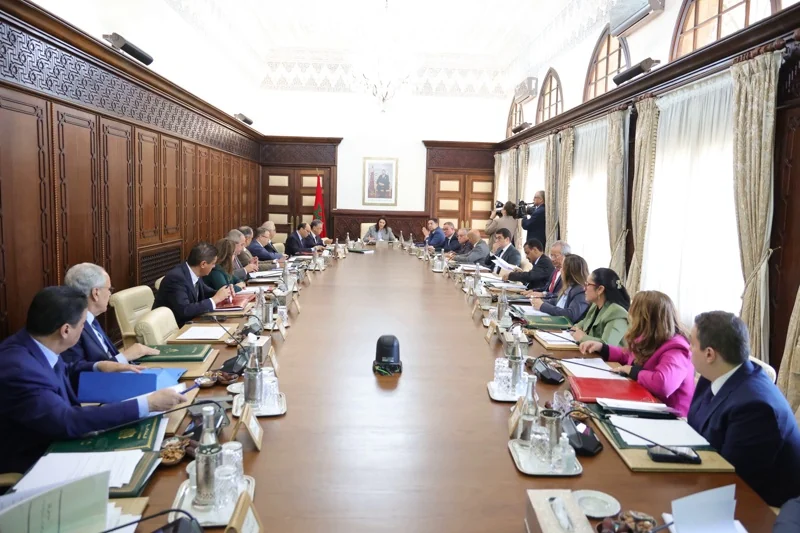
According to the government spokesperson, the government council began with a presentation on the supply of foodstuffs to the market during the current month of Ramadan by Mohammed Seddiqui, Minister of Agriculture, who explained that “the ministry has mobilized all public and private sector actors to ensure the regular and smooth supply of agricultural products to the national markets. The quality control of agricultural and food products during all stages of marketing has been strengthened within the framework of joint committees.”
The presentation highlighted “the measures and actions taken by the ministry within the framework of the emergency program to mitigate the effects of the lack of rainfall, in implementation of the high royal instructions, in particular the support of agricultural chains,” the press release on the cabinet meeting said.
“The vegetable cultivation program has achieved satisfactory levels, which will enable to ensure the regular and regular supply of the national market with vegetables and various foodstuffs sufficient to cover needs during this holy month of Ramadan.”
With regard to strengthening surveillance and tracking the quality of food products, the Ministry of Agriculture stressed that “the National Office for the Health Safety of Food Products has strengthened the quality control of imported and local products, within the framework of joint committees supervised by local authorities to verify the origin of the products, their conditions of sale and their conformity with health safety conditions.”
The Ministry emphasized that it is “keen to ensure the permanent and regular supply of food products to the national market,” declaring that it “remains ready with all partners and professionals in the sector to closely follow the situation of market supply and product quality control”, adding that “the Ministry of Agriculture is ready to monitor the supply of food products.






add your comment
Terms of publication : Not to offend the writer, people, sacred things, or attack religions or the divine self, and refrain from racist incitement and insults.