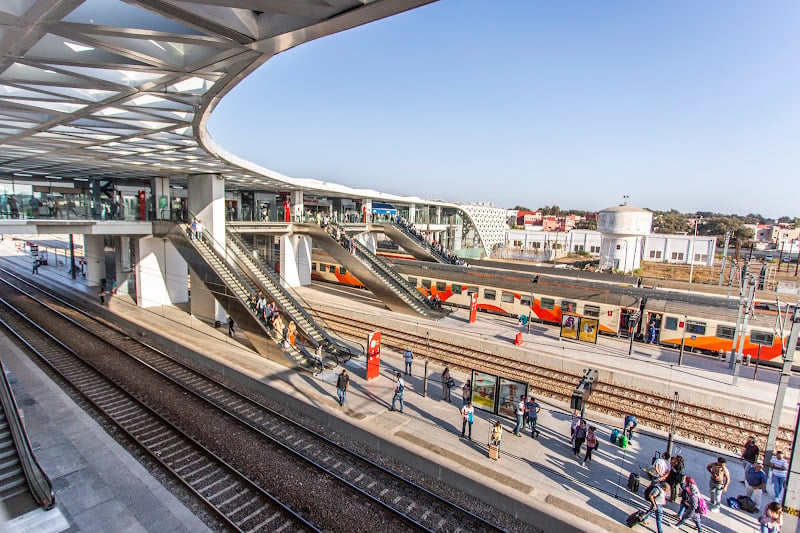
Morocco’s new development strategy as well as the upcoming prestigious sports event are increasingly attracting international interest, especially from Spanish and French companies seeking infrastructure development opportunities.
Recent visits by French, as well as Spanish officials, to Morocco, signal this keen interest in the Kingdom’s new development strategy.
France, in this regard, represented by its Foreign Minister Stéphane Séjourné, committed, last month, to supporting Morocco’s development efforts in the southern provinces.
Spain, on the other hand, pledged to contribute to developing the Moroccan railway network and sharing its experience with Morocco in this area, as mentioned by Spanish Minister of Transport and Sustainable Mobility, Oscar Puente Santiago, earlier this week in Rabat.
In addition, a Spanish company specializing in transport infrastructure won a contract to expand and modernize the Mohammed V International Airport in Casablanca.
“French companies are eager to capitalize on the recent warming of ties between Morocco and France,” said Yassine Alia, an Economist, in a statement to Hespress Ar.
He went on to say that they aim to leverage the significant potential offered by the Kingdom, as well as upcoming projects to be launched, notably in the infrastructure and transportation networks sector.
Alia additionally highlighted the growing interest of French, Spanish, Chinese, and German companies, notably in public works projects in Morocco.
“The competition for government contracts is tied to the scale of these projects and the need to upgrade national infrastructure in preparation for upcoming events and sports competitions hosted by the Kingdom,” underscored the Economist.
The same speaker clarified that “Morocco does not prioritize its economic interests based on a specific country, regardless of the nature of the relationship, but rather focuses on production costs and quality,” in response to a question about Spain potentially having an advantage due to its strong ties with Morocco and jointly hosting the 2030 World Cup events.
He emphasized that good governance involves fair access to contracts for all companies based on specific conditions and commitments. Those companies, he added, must provide guarantees, low-cost proposals, and high-quality offers.
Alia noted that “some projects are expected to be handed over to Moroccan companies with the necessary capabilities and technologies, creating more job opportunities.”
From his part, Economist Karaoui Filali, in a statement to Hespress Ar underscored that Spain and France’s interest in Morocco was inspired by the latter’s role as a gateway to Africa.
He also highlighted the opportunity the World Cup presents for infrastructure development in Moroccan regions and provinces, suggesting sharing Morocco’s infrastructure expertise with other African countries.
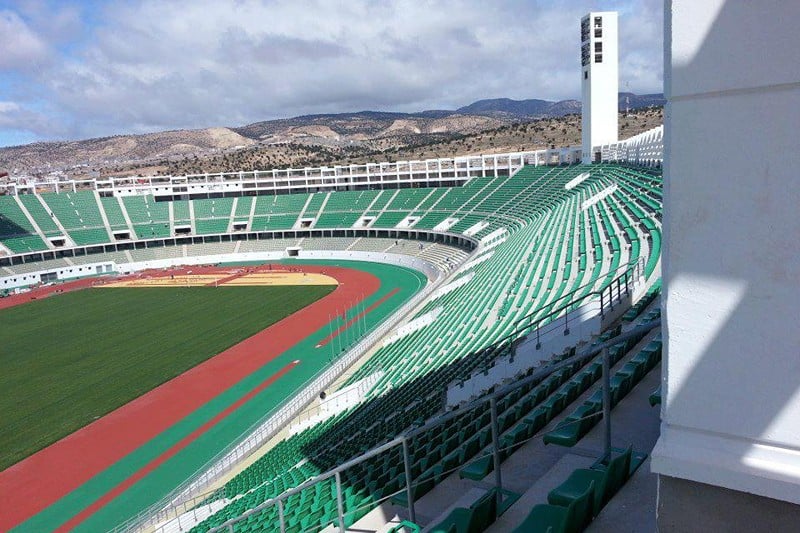
Not only did Spain and France show their keen interest in participating in preparatory infrastructure projects for the World Cup 2030, but the UK, US, UAE, and Qatar also sought involvement.
Both the UK and the U.S. expressed their commitment to supporting the development of Morocco’s infrastructure, particularly ahead of the FIFA World Cup 2030.
Similarly, Qatar, represented by its Minister of Sports, Sheikh Hamad Bin Khalifa Bin Ahmed Al Thani, affirmed his country’s full support for Morocco’s bid to host the World Cup 2030, expressing its readiness to assist the Kingdom with human and intellectual resources for the tournament.





add your comment
Terms of publication : Not to offend the writer, people, sacred things, or attack religions or the divine self, and refrain from racist incitement and insults.