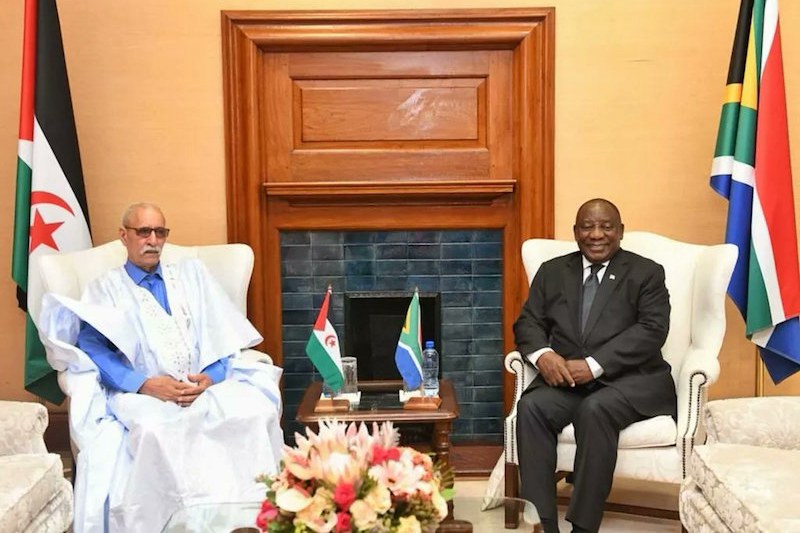
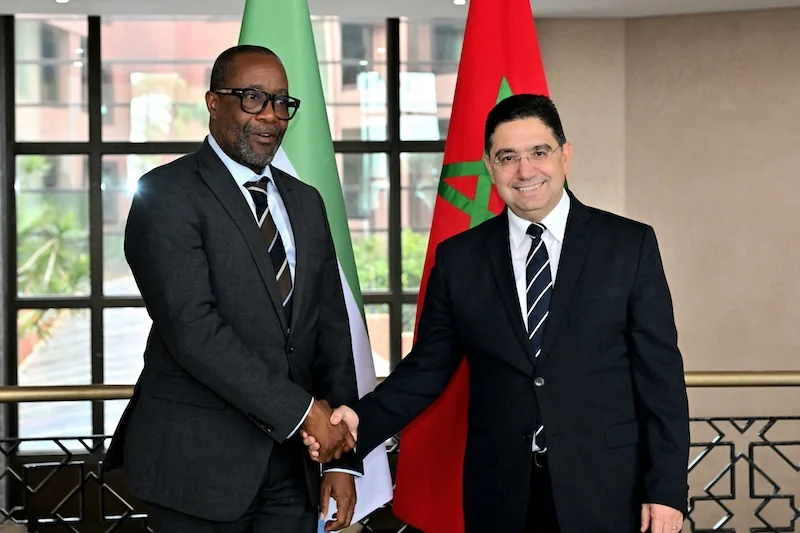
Tensions between Morocco and South Africa have reached a boiling point in recent diplomatic exchanges, primarily revolving around the long-standing dispute over the Sahara, according to Modern Diplomacy.
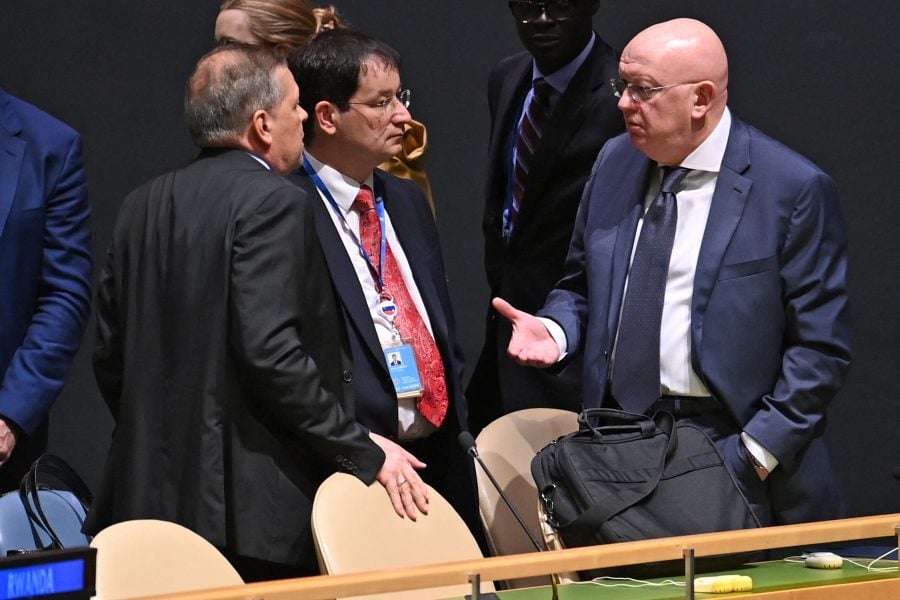
The discord surfaced prominently during the competition for the United Nations Human Rights Council’s presidency, culminating in a contentious vote on January 10th.
The election in Geneva, Switzerland, saw Omar Zniber, Morocco’s permanent representative to the United Nations office in Geneva, clinch victory with 30 votes, compared to South Africa’s candidate, Maxulisi Nkosi, who received 17 votes.
This outcome led to the dissolution of the Council’s presidency, leaving a vacuum in its leadership.
The rivalry between Morocco and South Africa for the Council’s presidency revealed deeper disagreements regarding human rights records.
South Africa accused Morocco of allegedly falling short on human rights principles, citing concerns that its presidency would undermine the Council’s credibility.
In response, Morocco defended its candidacy, citing prior support from the African Union and asserting its commitment to human rights advancement.
The conflict between the two countries extends beyond diplomatic arenas to include divergent perspectives on the Moroccan Sahara.
South Africa supports the Polisario Front’s quest for self-determination in the region, advocating for a referendum. In contrast, Morocco proposes granting autonomy under its sovereignty.
Morocco criticized the recent visit of UN envoy, Staffan de Mistura, to South Africa, labeling it a “setback to internationalism.” The country stated that this move deviates from standard mediation norms, which dictate consultation with all parties involved in the conflict – including Morocco, Algeria, Mauritania, and the Polisario Front.
This divergence has strained diplomatic ties, leading to intermittent confrontations, including South Africa’s invitation to the Polisario Front leader to the BRICS summit, which Morocco vehemently opposed.
Despite efforts to mend relations since 2017, including the appointment of ambassadors, tensions persist, exacerbated by disagreements on regional issues like the Moroccan Sahara conflict.
The failure of recent UN-led initiatives to broker peace underscores the entrenched nature of the dispute, with Algeria’s support for the Polisario Front complicating resolution efforts.





add your comment
Terms of publication : Not to offend the writer, people, sacred things, or attack religions or the divine self, and refrain from racist incitement and insults.