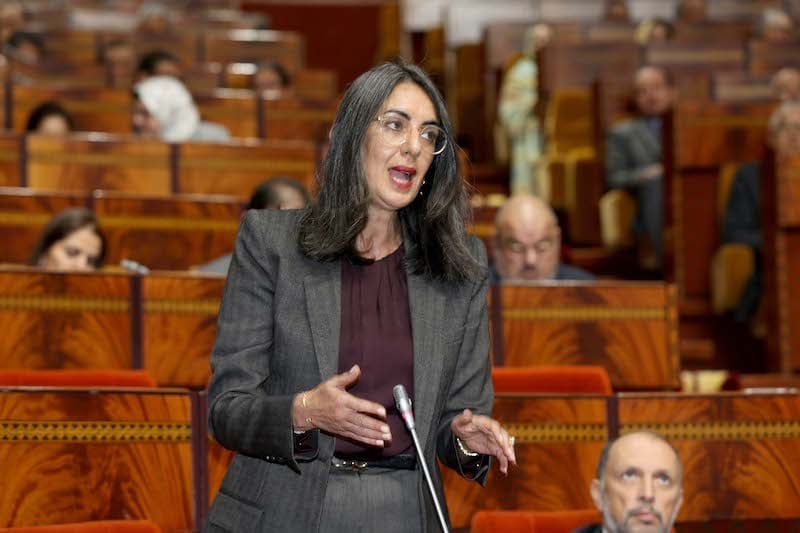
Recent government measures to reform value-added tax (VAT) are explicitly stated as not being intended to lead to higher prices for households.
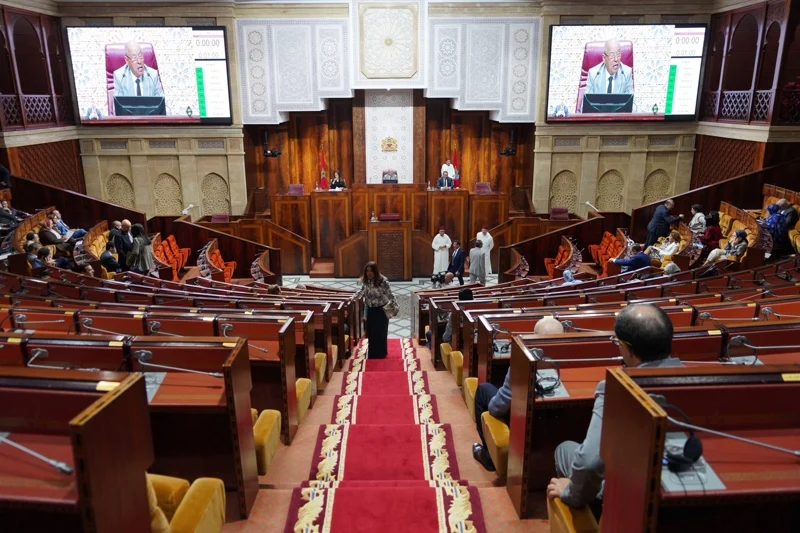
This was confirmed by the Minister of the Economy and Finance, Nadia Fettah Alaoui, during the parliamentary session devoted to discussion of the presentation made by the First President of the Court of Audit, Zineb El Adaoui, to Parliament on the activities of the Financial Jurisdictions for the 2022-2023 financial year.
This tax reform aims, on the contrary, to strengthen the purchasing power of citizens, the Minister insisted.
Nadia Fettah Alaoui also made it clear that the overriding objective behind the gradual adjustment of value-added tax rates on certain products is not to increase public revenues or to increase the burden on households. On the contrary, she insisted, this initiative stems from the recommendations emanating from the third national dialogue on taxation, guidelines widely approved by the various components of Moroccan society.
These recommendations were incorporated into a framework law adopted by Parliament, aimed primarily at guaranteeing the neutrality of this tax for businesses and avoiding undesirable effects, Nadia Fettah added.
Still according to the Minister, the VAT reform, scheduled to come into force from January 1, 2024, provides for a total exemption for certain widely consumed raw materials currently subject to rates of 14% or 7%.
In addition, a gradual rate reduction process will apply to certain other products, from 14% to 10%. This measure, in its words, will “contribute to improving household purchasing power by reducing the cost of this tax in the price structure and, consequently, reducing it”.
In response to the Cour des Comptes’ recommendation on assessing the economic and social effects of tax incentives, Alaoui noted that tax expenditure will fall by 6.6%, reaching MAD 53 billion in 2023 compared with MAD 34 billion in 2022.
This decrease is largely attributed to the 60% reduction in corporate tax expenditure, resulting from the elimination of 14 measures with a total cost of MAD 3 billion.
The data presented by the Minister reveal that households benefited from the largest share of tax expenditure, accounting for 53.9%, followed by businesses with a 40% share.








add your comment
Terms of publication : Not to offend the writer, people, sacred things, or attack religions or the divine self, and refrain from racist incitement and insults.