
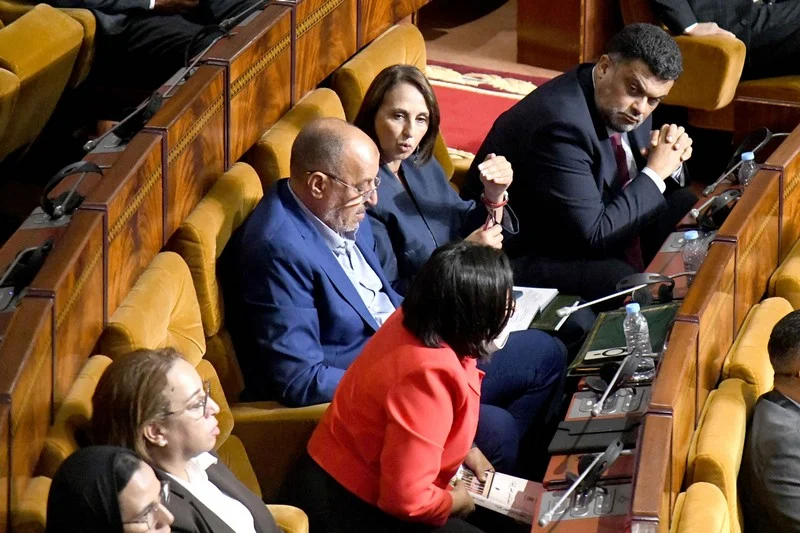
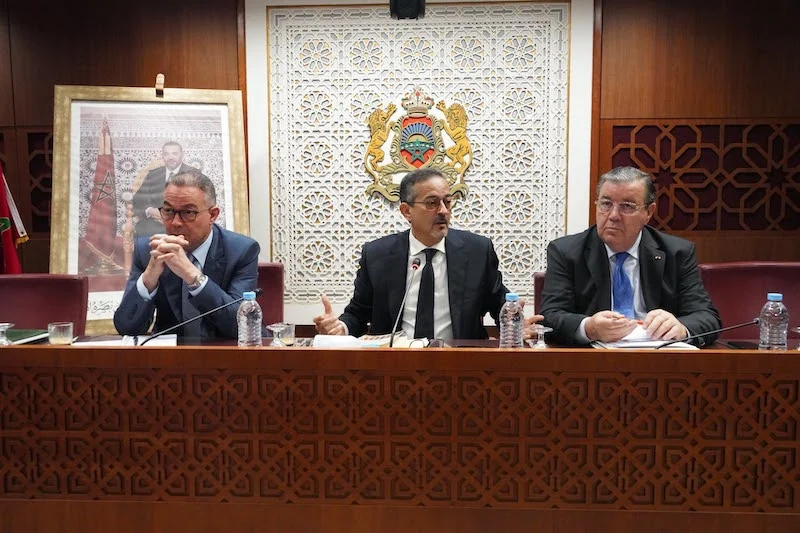
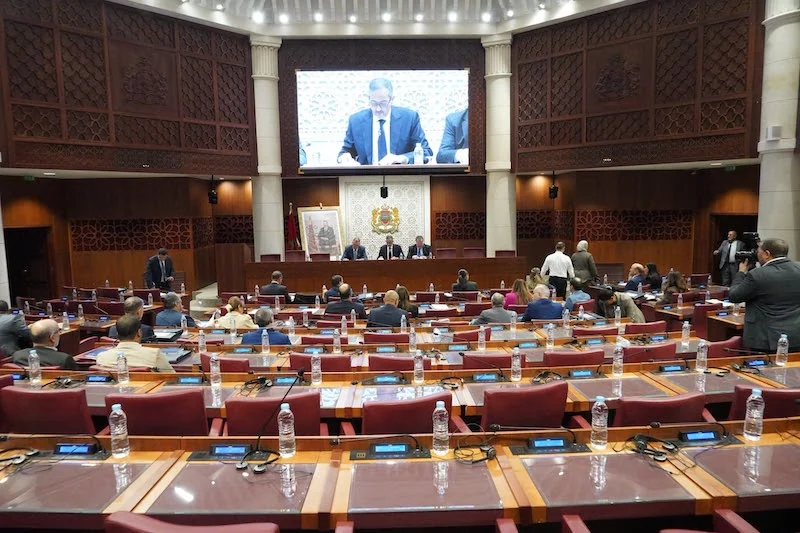
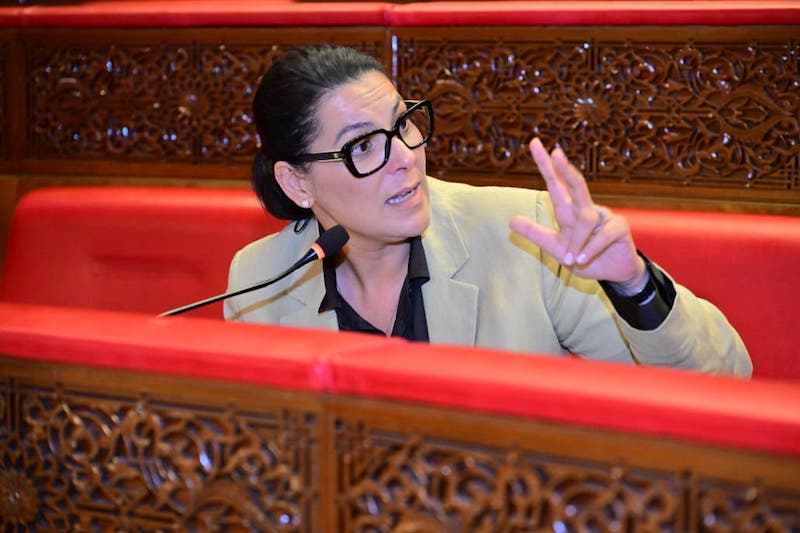
The “Civil Initiative to Activate the Official Character of the Amazigh Language” launched a resolute campaign within Parliament that sought to address continued discrimination against the Amazigh language, more than twelve years after it was named an official state language.
The initiative submitted a pleading memorandum to the heads of parliamentary teams in the House of Representatives. The objective is crystal clear: eradicate all forms of discrimination against the Amazigh language within the proposed law.
The civil body called for the repeal of Law No. 3.64 which stipulates that “only the Arabic language may be used in Moroccan courts, both for debates and pleadings as well as for the drafting.”
Likewise, the initiative demanded amendments to 18 articles of Draft Law No. 02.23 pertaining to the Civil Procedure Law.
The group emphasized the necessity of Article 76 stating, “Lawsuits must be submitted before the courts of first instance in one of the official languages of the state unless the law dictates otherwise.” This requirement should be explicitly detailed in a written article filed with the court record, dated, and signed by the plaintiff, their agent, or lawyer.
Continuing their stance, the civil initiative pressed for the addition of the phrase “summons and extradition certificates must be addressed in the official languages of the state” to Article 81, outlining the conditions for summoning parties to the case session.
The memorandum further called for proficiency in the two official languages of the state for the person responsible for reporting, specified in Article 85.
Turning the focus to court sessions, the Civil Initiative to Activate the Official Character of Amazigh demanded amendments to Article 90. The schedule for each session should be prepared, notified to the Public Prosecution, and posted on the session hall door or inside the court, utilizing both official languages of the state.
Article 91 should be revised to mandate that investigation and hearing procedures in courts, including supplementary investigations and pleadings, be conducted in the Amazigh language. The right of parties to use their known or mastered language during discussions in a secret session, if required by public order, good morals, sanctity of the family, or the best interest of the child, should also be considered.
Urgency resonates in the civil initiative’s plea regarding Article 109, which outlines the conditions for issuing judgments in a public session. The Amazigh language’s official status should be acknowledged, allowing litigants to request the pronouncement of judgments in this language. The pronouncement should be included in both official languages of the state in the minutes of the session and its record, managed by the clerk of record.
The Civil Initiative to Activate the Official Character of the Amazigh Language underscores the urgency of adopting these amendments, attributing the need to historical marginalization. Post-independence Morocco’s focus on Arabism and Islam in constructing the national identity intentionally excluded linguistic and religious components, resulting in the obliteration of the diverse facets of the Moroccan personality.
This deliberate policy profoundly impacted the justice sector, as evidenced by Law No. 3.64, making Arabic the sole language of litigation and eliminating the prospect of embracing multilingualism within the justice system.





add your comment
Terms of publication : Not to offend the writer, people, sacred things, or attack religions or the divine self, and refrain from racist incitement and insults.