
In the past three years, a total of 52 migrants, mostly Moroccans, have been discovered dead in the waters off the coast of Ceuta, succumbing to the perilous journey undertaken by hundreds seeking a better life across the border.
The year 2023 closed with sixteen bodies discovered on various Ceuta beaches, predominantly those of young Moroccans, except for one Guinean found in March near the Temporary Immigrant Stay Center (CETI).
The victims typically fit the profile of young Moroccans aged 20 to 35, embarking on the perilous swim clad in neoprene suits to protect themselves from the cold sea temperature.
Due to the lack of refrigeration facilities in Ceuta for body preservation, the deceased are usually buried within two days of discovery, mainly in the Muslim cemetery of Sidi Embarek.
Islamic community sources informed EFE that these migrants are interred without any identification, and only the tomb number provides an insight into the person beneath the ground.
Data collected by EFE from police and health sources revealed the grim consequences of maritime migration, with many young lives lost in attempts to reach the Spanish shores, often by swimming the short distance that separates the two sides of the border.
In 2021, 23 lifeless bodies were found on various beaches in Ceuta, decreasing to twelve in 2022, and rising again to sixteen in the past year.
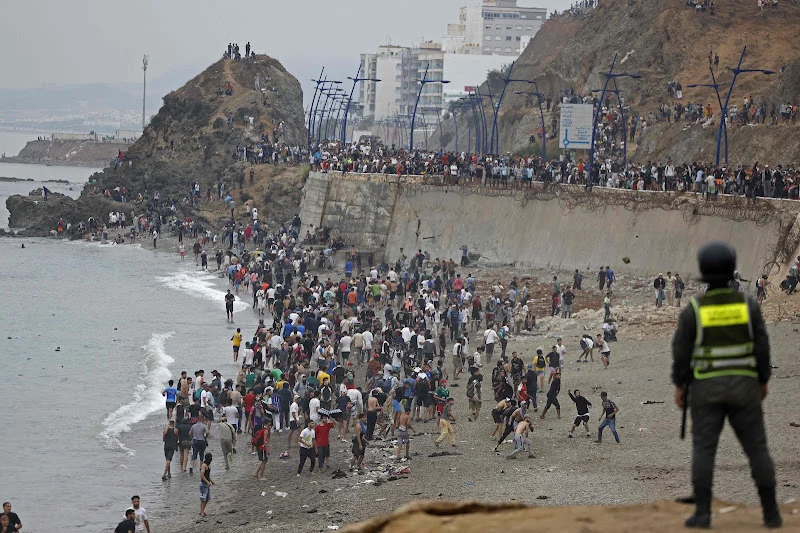
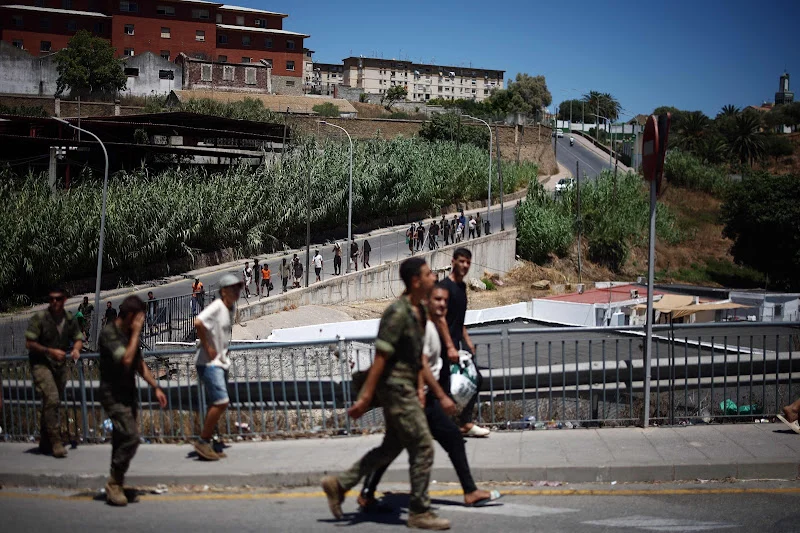
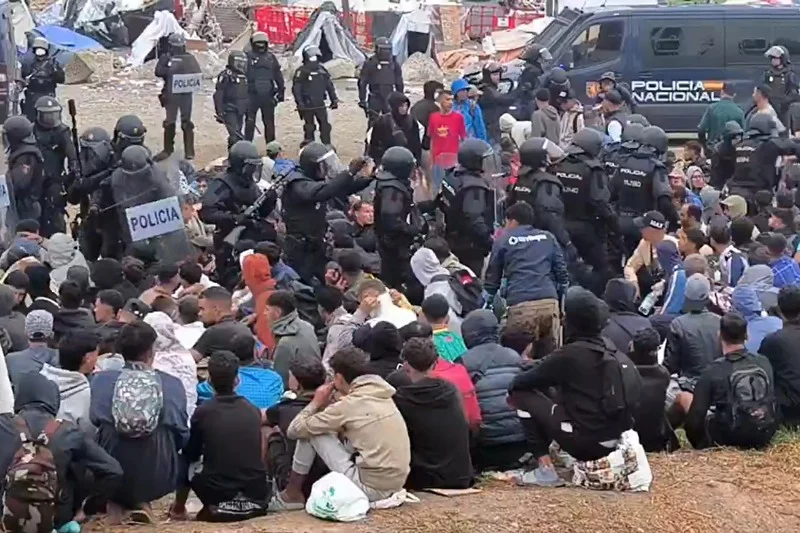
The highest number of deceased migrants washed ashore occurred in the months following the migration crisis on May 17 and 18, 2021, when thousands crossed the Tarajal border barrier between the city and Morocco.
The year 2021 began in Ceuta with the discovery of six bodies—five Moroccans and one Sub-Saharan—in the months of January to April.
Numbers soared in the subsequent months, with notable incidents on May 17, 20, and 22, involving young Moroccan males aged 16 to 20.
Between June and December 2021, fifteen more lifeless bodies were recovered from the sea, including a 12-year-old Moroccan and a Sub-Saharan individual, according to EFE.
In 2022, sixteen migrants were found deceased, primarily on the southern beaches of Ceuta, such as Sarchal, Tarajal, Chorrillo, and Almadraba.
Among the deceased were two Moroccan minors, along with three bodies that could not be identified, though they exhibited Maghreb features (uncertain whether Moroccan, Algerian, or from another region).
The primary motivation for these young individuals to seek a better future is attributed to the lack of opportunities in Morocco, as reported by sources from the Muslim Community of Ceuta.
Many of these migrants were engaged in the cross-border cargo transportation business, commonly known as “porters.” However, the closure of this atypical trade left them without any source of income.





add your comment
Terms of publication : Not to offend the writer, people, sacred things, or attack religions or the divine self, and refrain from racist incitement and insults.