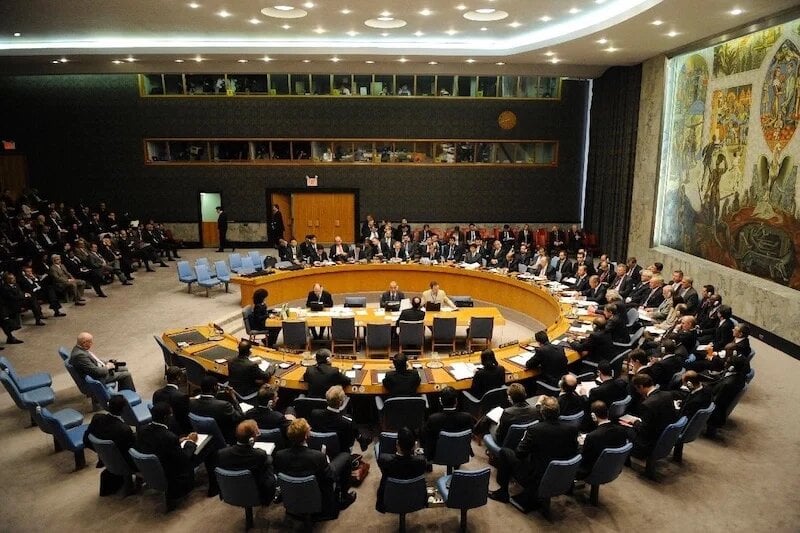
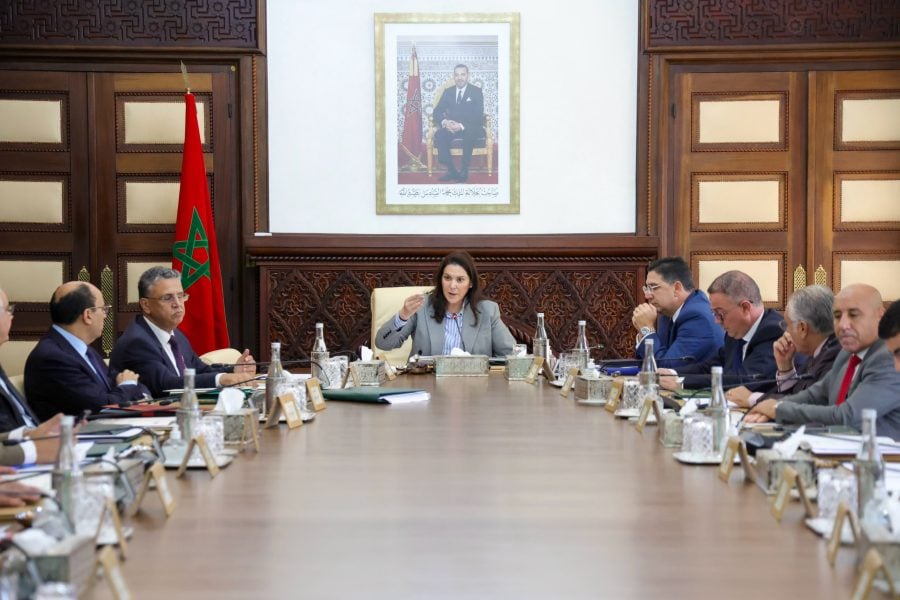
Omar Hilal, the permanent representative of Morocco to the United Nations, revisited discussions on the urgent need for reforming the current composition of the Security Council and Africa’s representation within this international body. This reconsideration came on the sidelines of the “Atlantic Dialogues” held in Marrakech last week.
The necessity of this reform was emphasized given the failure of the Security Council to fulfill its responsibility in safeguarding international peace and security due to political differences among its permanent members.
Some countries have endorsed this reform, calling for two permanent seats representing both the northern and southern parts of the African continent.
Others advocated for a single seat and the rectification of historical injustices that Africa has endured under the dominance of Western powers in decision-making within the Council.
The question of one or two seats notwithstanding, the permanent African representation in the Council remains crucial.
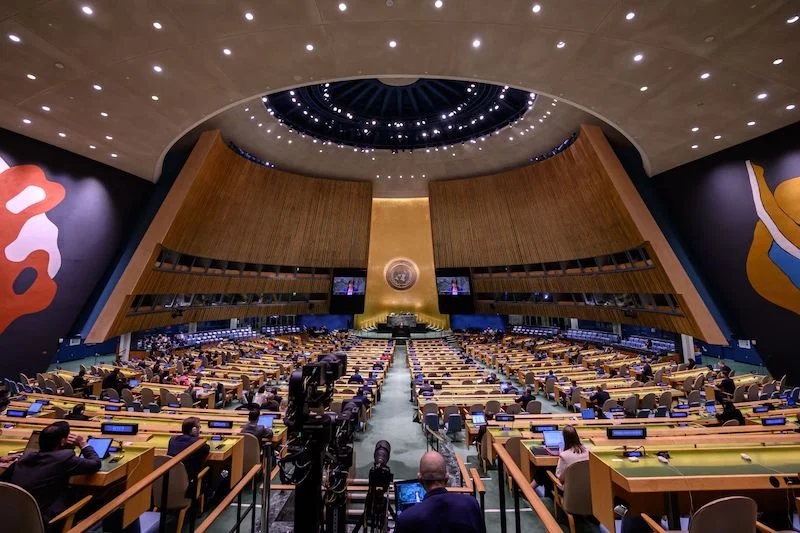
The current composition of Security Council consists of five permanent members and ten non-permanent members elected by the UN General Assembly for two-year terms,
In this context, Morocco emerged as a strong candidate for several considerations and factors, a point underscored by Omar Hilal himself, who said that “objectively speaking, all chances favor Morocco.”
According to Driss El Guenbouri, a political analyst, Morocco has a significant opportunity to secure a permanent seat on the United Nations Security Council, representing Africa.
This opportunity is exemplified by various factors that contribute to Morocco’s strategic importance on both regional and global levels.
Morocco’s geographical location in North Africa, serving as a bridge between Europe and Africa, positions it as a crucial player in international affairs. Its historical connections with Arab and African nations, combined with its dedication to diplomacy and conflict resolution, contribute to its influence on the diplomatic stage.
However, even if Morocco secures a permanent seat on the Security Council, its impact may be limited, given that major decisions are often made by powerful countries, such as the United States.
The expert said that Morocco’s internal stability and economic growth further bolster its candidacy.
“Morocco stands out as a stable model in a region often marked by instability. The country has successfully navigated political reforms and economic development. This stability not only builds confidence internationally but also establishes Morocco as a dependable partner in addressing global security challenges,” said the expert.
According to the analyst, if Morocco were to secure a permanent seat on the Security Council, it would experience a significant elevation in diplomatic stature.
“This would provide Morocco with a unique platform to shape global security policies and advocate for the interests of both its region and the broader African continent,” the political analyst added.
El Guenbouri suggests that this enhanced role on the Security Council could empower Morocco to actively contribute to conflict resolution.
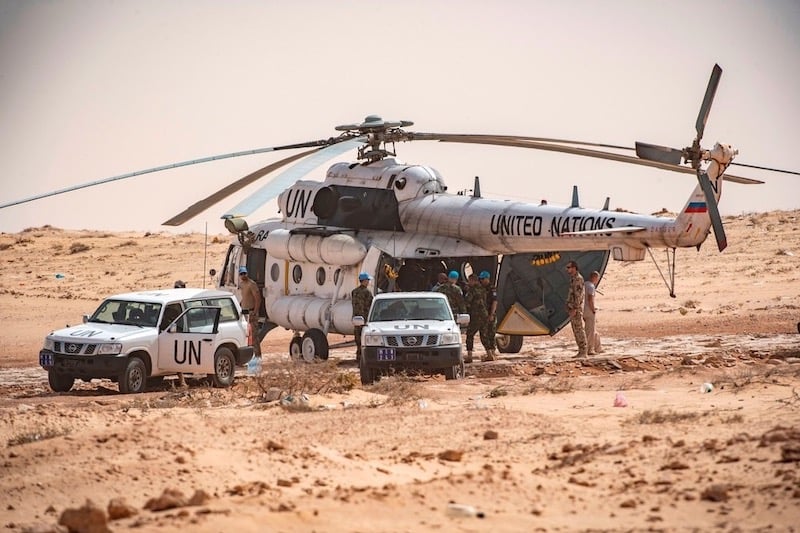
Given the ongoing challenges in regions like the Sahel, Morocco could leverage its position to play a meaningful role in peacekeeping efforts, regional stability, and humanitarian initiatives.
However, Morocco would be expected to navigate complex international dynamics, striking a balance between its national interests and the broader concerns of the African continent.
As a permanent member, Morocco would also play a crucial role in addressing global issues such as climate change, terrorism, and public health crises.



add your comment
Terms of publication : Not to offend the writer, people, sacred things, or attack religions or the divine self, and refrain from racist incitement and insults.