Responding to Morocco’s deadliest earthquake in decades could take months if not years, the International Federation of Red Cross and Red Crescent Societies (IFRC) warned Saturday.
The 6.8-magnitude earthquake that hit late Friday killed more than 1,000 people and injured more than 1,000 more, many of them critically, according to Moroccan authorities.
With strong tremors also felt in the coastal cities of Rabat, Casablanca and Essaouira, the quake caused widespread damage and sent terrified residents and tourists scrambling to safety in the middle of the night.
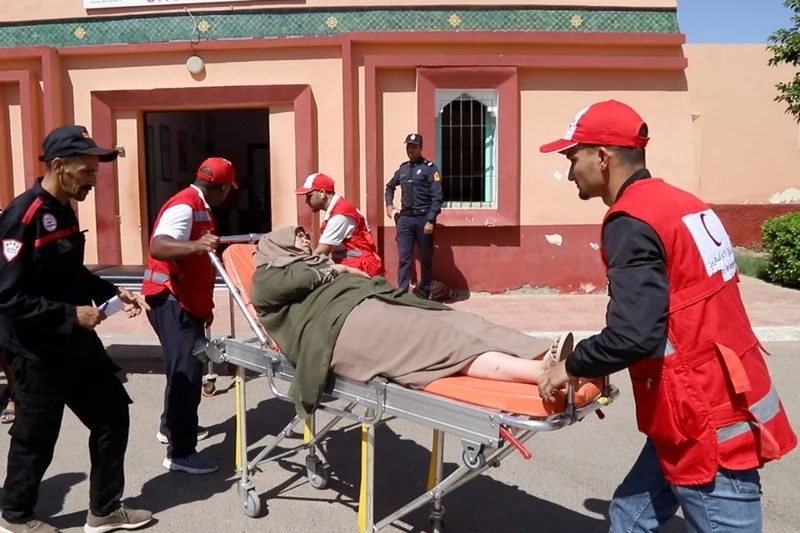
Moroccan Red Crescent (MRCS) teams had been on the ground “immediately”, and were coordinating closely with local authorities to assess the situation, support search and rescue operations and provide help to those affected, IFRC said.
The teams were providing first aid, psychosocial support and helping transport the injured to hospitals, it added.
IFRC chief Jagan Chapagain announced on X, formerly known as Twitter, that he was releasing one million Swiss francs ($1.1 million) from the organisation’s Disaster Response Emergency Fund to support MRCS’s efforts.
And IFRC said it stood ready to deploy its own emergency response teams “within 24-48 hours based on the needs”, it said.
“The next 24 to 48 hours will be critical in terms of saving lives,” Caroline Holt, IFRC Global Director of Operations, said in the statement.
“Search and rescue efforts will be prioritised in parallel, of course, with making sure that those that we know have survived are taken care of,” she said.
Holt also stressed the need to provide people with safe water, ensure hygiene is maintained and provide “dignified management of dead bodies”.
“We need to make sure we don’t have a disaster within a disaster.”




add your comment
Terms of publication : Not to offend the writer, people, sacred things, or attack religions or the divine self, and refrain from racist incitement and insults.