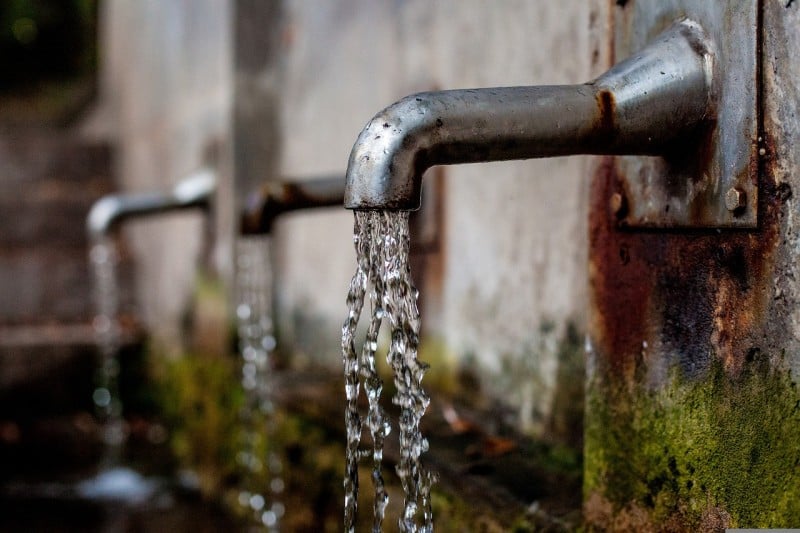
Morocco, like many African nations, finds itself increasingly fragile due to escalating water shortages, a vulnerability highlighted in the 2022 Financial Stability Report’s tenth edition.
This comprehensive report, jointly issued by three major Moroccan financial institutions, underscores the critical nature of the water stress trend, which rivals the significance of the Kingdom’s developmental path dependent on industry and agriculture—a duo notorious for their substantial water consumption.
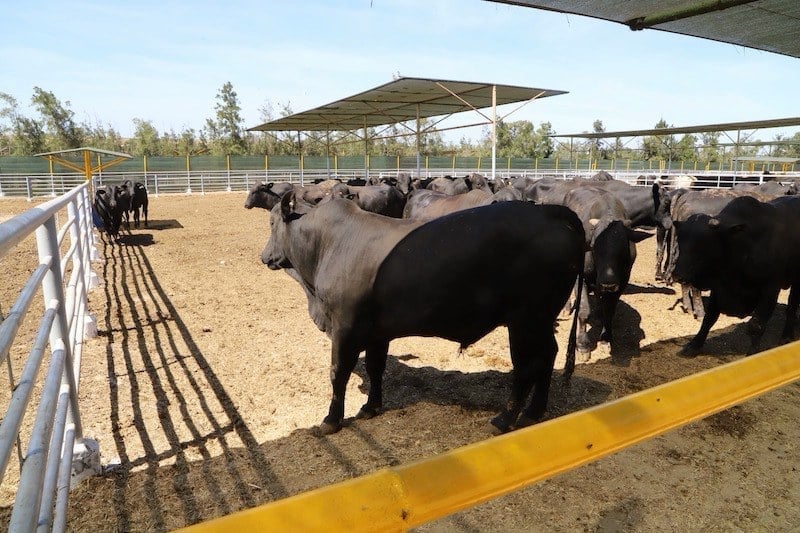
Drawing from data provided by the United Nations Food and Agriculture Organization and the World Bank, the report discloses that the lion’s share of national water consumption—more than 80 percent—stems from agricultural activities.
However, the complex web of factors contributing to this situation includes irregular rainfall patterns, uneven distribution of water resources, unsustainable groundwater exploitation, fluctuating dam reservoirs, rapid urbanization, and a dynamic demographic growth rate.
While the primary focus of the report centers on global and domestic economic developments and their implications for Morocco’s financial system, it does not neglect the pressing reality of climate change and its associated challenges. Addressing these concerns, the tenth annual report, jointly released by Bank Al-Maghrib, the Moroccan Capital Market Authority, and the Insurance and Social Precautionary Supervision Authority, provides an assessment of the comprehensive financial risks posed by climate-related issues.
Contained within the report’s third chapter is a dedicated section titled “Water Stress: Risks and Reflections on Macro-Precautionary Measures.” This section categorizes water scarcity as a heavy toll on Morocco’s economic development, with notable impacts on the agricultural sector’s gross domestic product. The report contends that the country’s ability to recover from droughts and absorb agricultural losses could be hindered by the structural degradation of water resources.
Beyond economic consequences, the report illuminates the social fallout in rural areas where livelihoods are intricately tied to agricultural activity. Prolonged water stress and recurring droughts may lead to significant imbalances in these regions in the foreseeable future. Additionally, the report warns of potential declines in agricultural exports, as heightened water pressure could jeopardize Morocco’s ability to engage in agricultural trade.
Supported by simulations conducted by the World Bank, the report projects that a 25 percent reduction in water supplies due to climate change effects might precipitate a substantial decrease in both agricultural and total commodity exports. Overall, the report’s resounding message underscores the urgency of comprehensive actions to counter water stress and mitigate its repercussions on Morocco’s economy, trade, and rural communities.






add your comment
Terms of publication : Not to offend the writer, people, sacred things, or attack religions or the divine self, and refrain from racist incitement and insults.