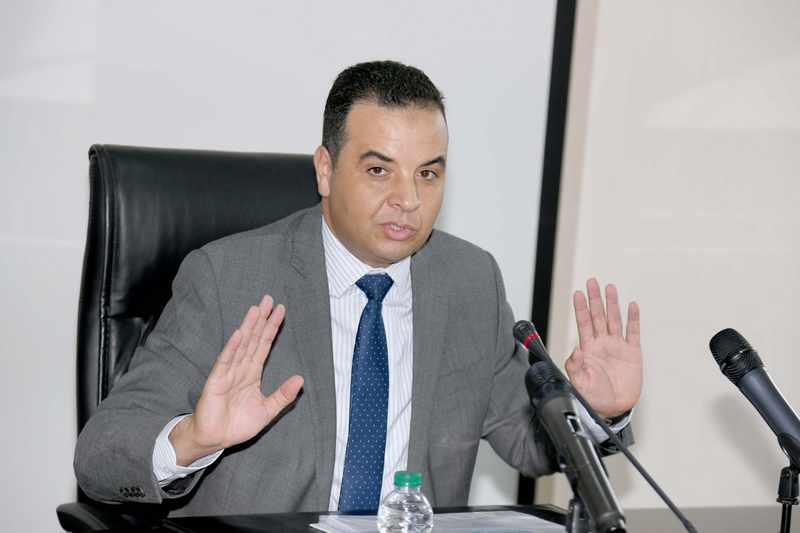
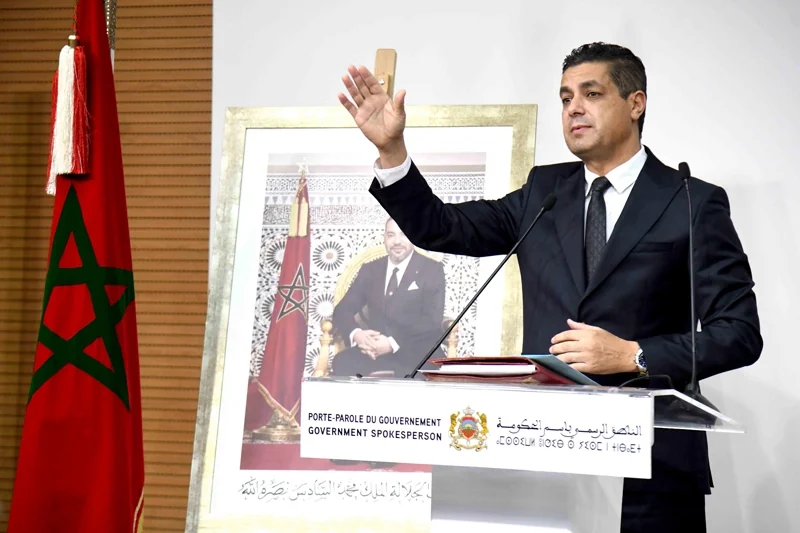
Government Spokesperson Mustapha Baitas said that the executive “considers parliament one of the important institutions to consolidate democracy, and the only institutional space for building a serious and responsible public debate,” stressing that “Parliament accompanies the government in implementing its programs and strategies that concern citizens, especially in the social sphere.”
Baitas highlighted during a press conference today to presenting the outcome of parliamentary work for the second legislative year 2022/2023 of the eleventh legislative term 2021/2026 that, “the government is keen to engage and interact positively with various legislative and parliamentary oversight initiatives,” stressing the “necessity of finding channels to work with Parliament outside the institutional channels, in order to improve oversight, legislation and the evaluation of public policies.”
Legislative field
In an introduction to the outcome of parliamentary work for the legislative year 2022/23, the government official stated that “the total number of draft laws that were under consideration before the opening of the second legislative year amounted to 38 bills; 27 of them belong to the House of Representatives, including 7 bills that remained under study before the opening of the current legislative term, and 11 bills concern the House of Councillors, of which three bills belong to the previous legislative term.”
As for the bills deposited with both houses of parliament, their total amounted to 46 bills, while the two houses of parliament finally approved a total of 60 bills, 33 of them unanimously and 27 of them by majority, while 24 bills remained under consideration after the conclusion of the April session of this year, including 13 bills approved by the House of Representatives and referred to the other chamber.
Baitas stated that “the total number of law proposals deposited with Parliament for the second legislative year of the current term amounted to 99 law proposals, while five parliamentary legislative initiatives were withdrawn, while the government accepted ten law proposals, and two law proposals were finalized unanimously by both sides of the Parliament.”
As for the meetings of parliamentary committees and sessions related to legislation, Baitas noted, “226 meetings were held to study draft laws and proposals and sub-budgets for the current legislative year, while 28 legislative sessions were held in the House of Representatives and 26 sessions in the House of Councillors, with a total of 54 sessions.”
Supervisory level
Regarding Parliament’s oversight of the government’s work, Baitas stated that “the current legislative year saw the holding of 10 monthly sessions for the prime minister, six of which are in the House of Representatives and four in the House of Councillors; While the number of questions programmed within the framework of these sessions reached a total of 78 questions, 48 of which concerned the Council of Councillors.”
On the other hand, the number of immediate oral questions addressed by parliamentarians to the government, which the latter expressed its willingness to answer, reached a total of 509 questions, 371 of which were programmed by the offices of both houses of parliament. This confirms, according to Baitas, “that the programmed questions are fewer than those that the government has shown its willingness to answer.”
With regard to regular oral questions, the figures presented by the government official during the press conference showed that their total amounted to more than 5450 questions, of which the government answered more than 1370 questions, stressing that “the number of oral questions raised and answered in both houses of parliament witnessed a clear development during the legislative year.” the second of the current term compared to the same period of the previous term.
The minister stated that “the government has received, since the beginning of the current legislative term, more than 9,520 written questions, and answered more than 6,290 of them; This represents an answer rate of about 66 percent of the total questions reached, which indicates that the current government has made an additional effort in terms of answering the written questions posed, which in turn witnessed a great development during the current mandate.”
Always at the oversight level, and regarding requests to speak on a general and emergency issue in parliament, the government official stated that “the government received 76 requests in this context, most of them from the Council of Councillors, and expressed its willingness to answer 22 of them, while it actually answered 20 requests.”
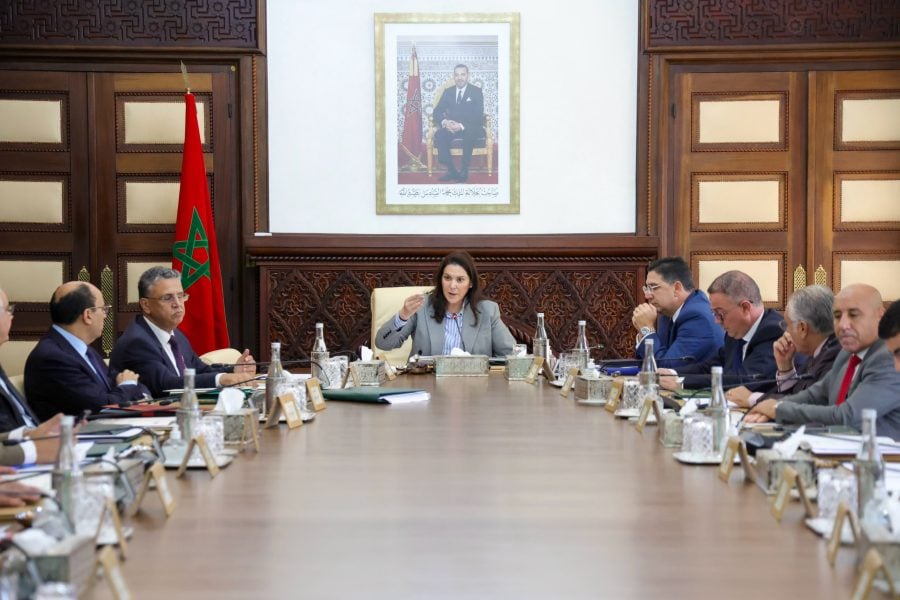
As for the temporary reconnaissance missions, the Minister Delegate to the Prime Minister in charge of relations with Parliament confirmed that “seven requests were reached by the House of Representatives, all of which the government interacted positively.”
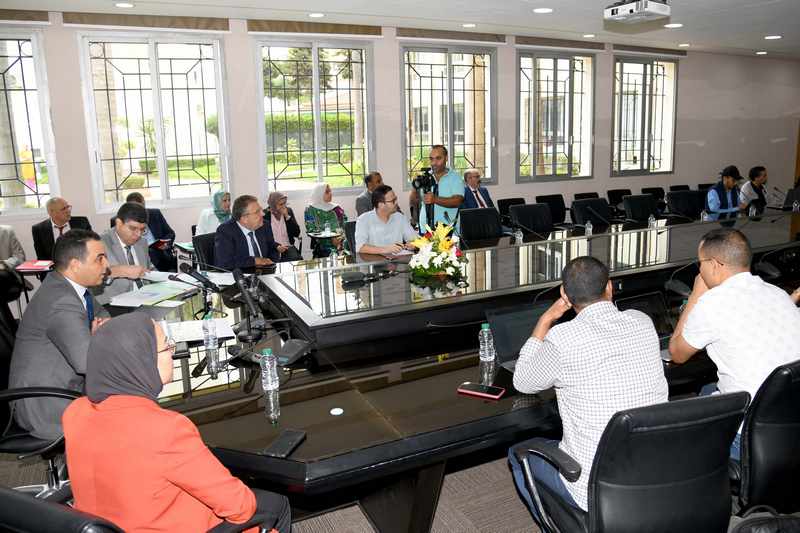
Public policies evaluation
Baitas stated that “the current legislative year witnessed the holding of an annual session to discuss and evaluate public policies in the House of Representatives on the 18th of this month. Parliamentarians.”
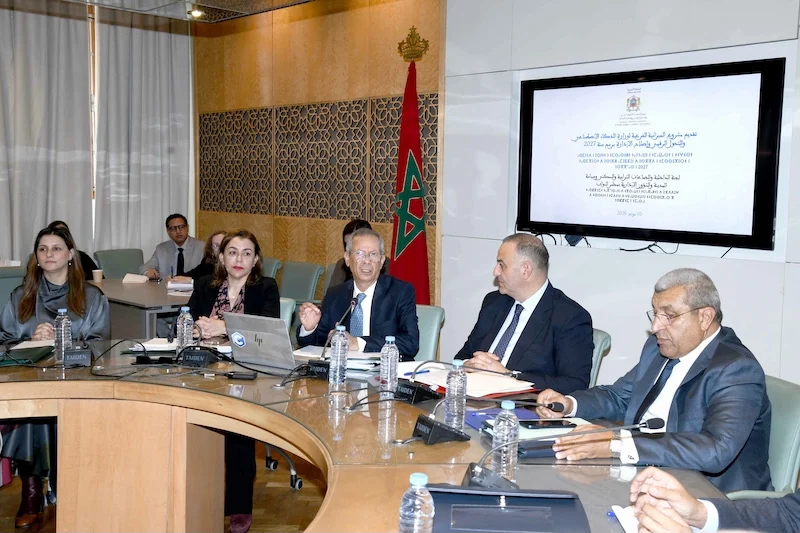
During the same session, “the report of the thematic working group in charge of evaluating the national plan for management reform was discussed, in the presence of the Ministry delegated to the Prime Minister in charge of digital transition and administration reform, and it also witnessed positive interaction on the part of the government with the proposals of the nation’s representatives.”
And in the Council of Councillors, an annual session was held on the 25th of this month, devoted to discussing the report of the thematic group on “integrated programs for people with disabilities”, in the presence of three government sectors, during which the government responded to the recommendations of the Councillors and answered all their questions on the subject.
At the end of the press conference, the government official said, “This outcome reflects the government’s keenness to attend parliament and answer the questions of the elected representatives,” stressing at the same time the need for “public debate in its entirety to remain the monopoly of the legislative institution as an institution emanating from the people, In addition, the debate within the institutions is a responsible debate and is framed by the constitution and and constitutional norms.



add your comment
Terms of publication : Not to offend the writer, people, sacred things, or attack religions or the divine self, and refrain from racist incitement and insults.