
Upon Israel’s recognition of Morocco’s sovereignty over the Western Sahara, many political actors reacted to the awaited news, bound to deepen bilateral ties between the two countries.
The Political Bureau of the RNI party held a meeting on Monday evening, chaired by Aziz Akhannouch, to examine various national political and organizational issues.
Israel’s recent move was on the agenda, as a statement read:”This position will be reflected in all official and governmental documents of Israel, and will be communicated to the United Nations and to the various regional and international organizations, as well as to all countries having diplomatic relations with Israel.”
“This decision crowns a series of acknowledgements made by influential countries in recognition of the justness of the Moroccan cause and the efforts made by Morocco, under the leadership of the King, for the development and prosperity of our southern provinces,” expressed Moroccan party.
In Israel, Speaker of the Israeli Knesset Amir Ohana interacted with Israel’s decision by sharing a picture of him holding a paper copy of a Moroccan newspaper, pointing to the map of the Kingdom of Morocco.
Ohana published his photo on his various official pages on social media immediately after the Israeli recognition, as the Speaker had recently visited Morocco, and encouraged “a serious discussion within the Israeli government regarding recognizing the Moroccanness of the Sahara.”
The State of Israel’s decision to recognize Morocco’s sovereignty over its Sahara is a “strong” and “clear” signal to the international community, stressed Yitzhak Eldan, president and founder of the Israeli Ambassadors’ Club.
Commenting on Israel’s recognition of the Moroccan Sahara, Eldan described it as a “very important” diplomatic step that other countries should follow, as they have already done.
“This is a diplomatic breakthrough for Morocco, a decision of historic significance that will strengthen international recognition of the Kingdom’s sovereignty over its Sahara,” the former ambassador to the Council of Europe, UNESCO and Denmark said in a statement to MAP.
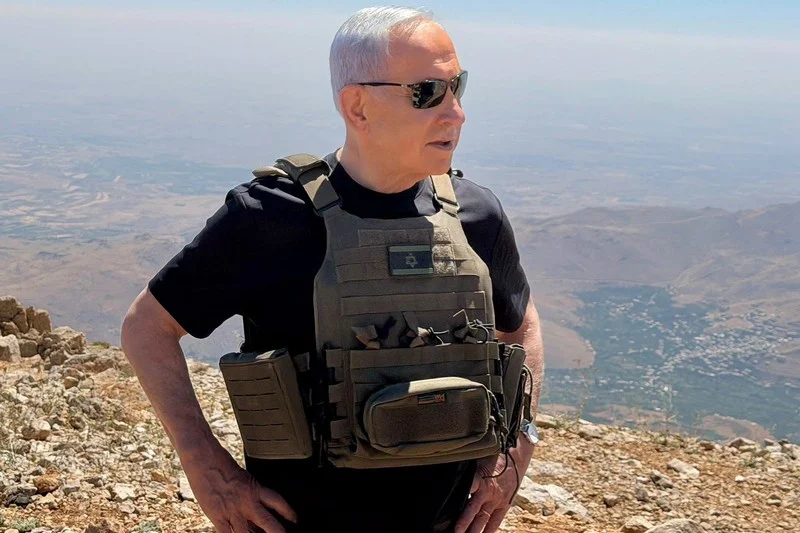
Through the voice of Prime Minister Benjamin Netanyahu, Israel has promised to make every effort to ensure that this “well-considered” decision is conveyed to the international organizations of which it is a member, as well as to all countries with which it maintains diplomatic relations, the former Israeli ambassador added.
Stressing the importance of supporting the Kingdom in such an important matter, Mr. Eldan welcomed this recognition, which will support the Moroccan position and contribute to the development of “positive” relations between Rabat and Tel Aviv in a number of areas, particularly in the field of investment, by encouraging other investors to settle in the southern provinces.
According to him, an Israeli diplomatic presence in Dakhla will promote economic relations and investments in the region, thus consolidating Morocco’s position as the “gateway to Africa”.
While praising the Moroccan model of coexistence, the former ambassador expressed the hope that Israel’s recognition of Morocco’s sovereignty over its Sahara “could bring peace to the region.”
Even in France, a country that remains reluctant to supporting Morocco’s territorial integrity, the Republicans party president Eric Ciotti welcomed Israel’s recognition, calling on France to help resolve this “strategic issue.”
“I welcome Israel’s recognition of the Moroccanity of the Sahara. Morocco’s sovereignty is indisputable,” reacted Eric Ciotti in a tweet.
David Fisher, former US ambassador to Rabat also said: “When I signed the map of the Kingdom of Morocco, I was sure that the Israeli recognition of Morocco’s sovereignty over its desert would come.”
Fisher added in a tweet on his Twitter account: “When I signed the map of the Kingdom of Morocco, I knew that the day would come to celebrate the receipt of His Majesty King Mohammed VI from Prime Minister Netanyahu a letter recognizing Morocco’s sovereignty over its desert. Today is that day.”







add your comment
Terms of publication : Not to offend the writer, people, sacred things, or attack religions or the divine self, and refrain from racist incitement and insults.