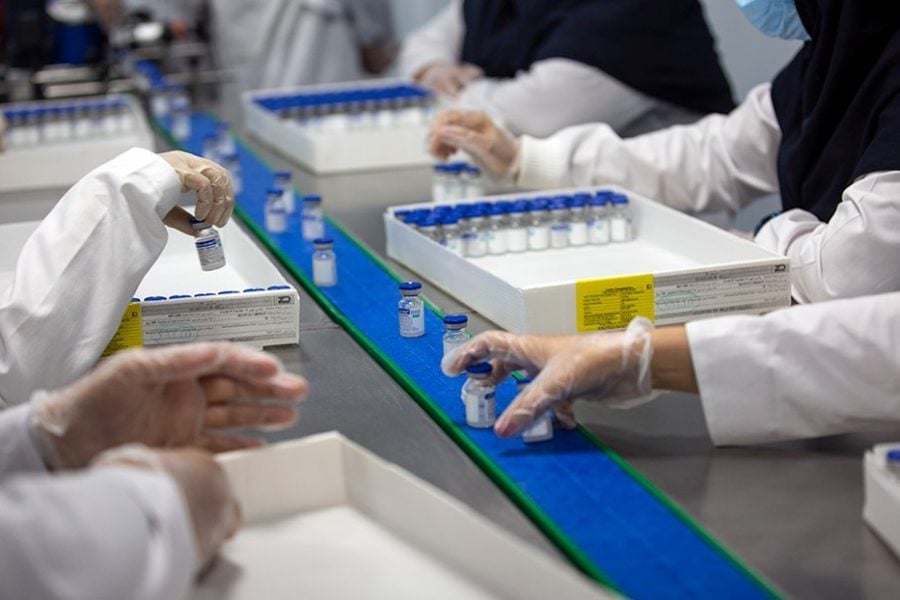
Africa’s reliance on foreign suppliers for pharmaceuticals is hindering access to timely healthcare services, due to a number of bottlenecks plaguing local production and distribution.
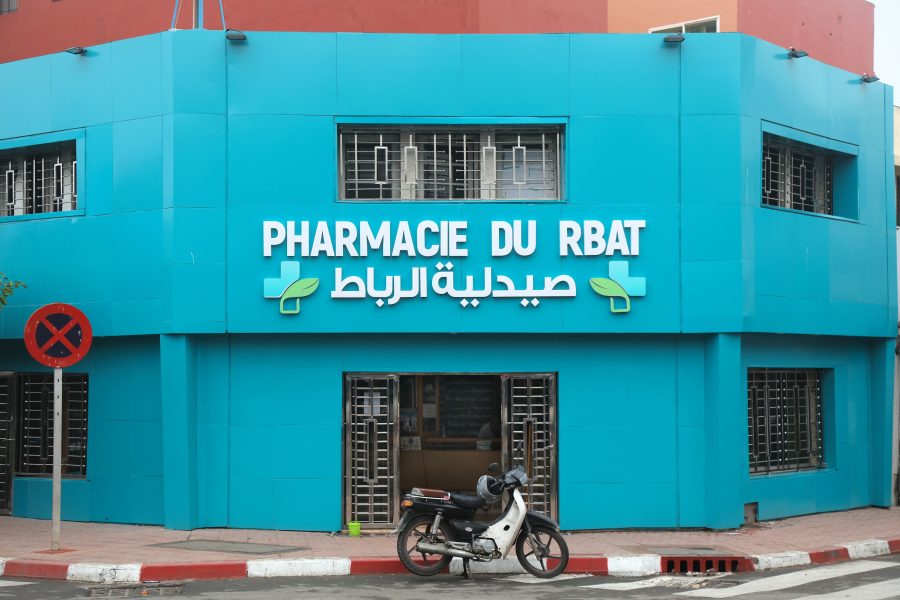
Morocco is not immune to such disturbances on the African pharmaceutical drug market, as highlighted by a recent report.
In a new dossier from Bloomberg, one of the most effective solutions presented to solving this state of dependency would be governments taking responsibility to ensure local uptake of pharmaceuticals, rather than relying solely on outsider and international supply.
Lamia Tazi, CEO of Sothema, Morocco’s largest pharmaceutical company, enumerated potential solutions to Bloomberg in an interview, to eventually overcome current challenges that Africa’s pharmaceutical industry faces.
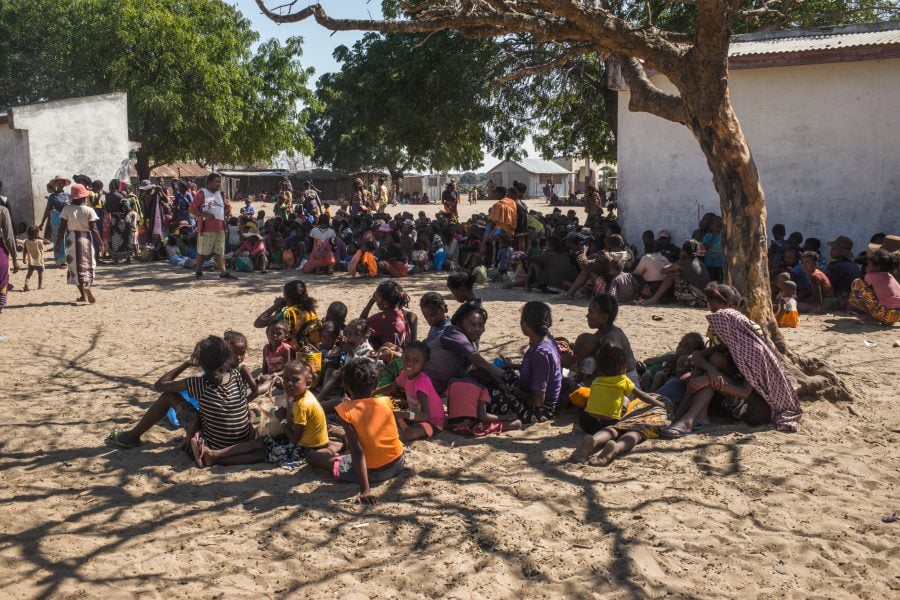
The challenges African nations face in obtaining medicines, including significant disparities in access to drugs and vaccines, as well as the vulnerability of Africa’s drug supply chain revealed during the COVID-19 pandemic, are highlighted.
Despite the considerable obstacles that African drug production encounters, hope remains. Bloomberg interviewed Lamia Tazi, who is urging governments to take responsibility for ensuring local uptake of pharmaceuticals rather than relying solely on international organizations.
She believes that reducing vaccine imports to Africa by 50% by 2040 is an attainable goal.
Tazi emphasized the importance of discussing intellectual property protections as a critical factor in achieving manufacturing autonomy.
During the Bloomberg New Economy Gateway Africa summit held in Marrakesh, Morocco, last month, talking to Bloomberg, she stated, “It’s not possible to discuss equity and sustainability without talking about this.”
Tazi suggests that partnerships for technology transfer can accelerate the process, as African countries struggle to develop affordable products until patents expire, which can take up to two decades.
The report suggests that while Africa may lack the resources for extensive research, it can specialize in areas such as clinical trials and the final stages of production, known as “fill and finish.”
Tazi believes this specialization would generate thousands of job opportunities for African pharmacists, biologists, and innovators.
Furthermore, Tazi urges governments to take responsibility for ensuring local uptake of pharmaceuticals rather than relying solely on international organizations like Gavi or UNICEF, which she argues do not advocate for autonomy in African countries.
The demand for locally produced drugs could be reinforced by implementing universal health insurance, granting people access to financial assistance and the freedom to choose their healthcare providers.
According to the report, up to 90% of Africa’s medications and 99% of its vaccines are sourced from international pharmaceutical companies.
Aspen Pharmacare, the largest pharmaceutical company in Africa, faced setbacks in its attempts to manufacture the COVID-19 vaccine under license from Johnson & Johnson. African nations opted for vaccines produced elsewhere due to safety concerns.
The article underscores the necessity for Africa to reduce its dependence on external pharmaceutical suppliers, and explores potential strategies and opportunities to enhance indigenous drug production on the continent.








add your comment
Terms of publication : Not to offend the writer, people, sacred things, or attack religions or the divine self, and refrain from racist incitement and insults.