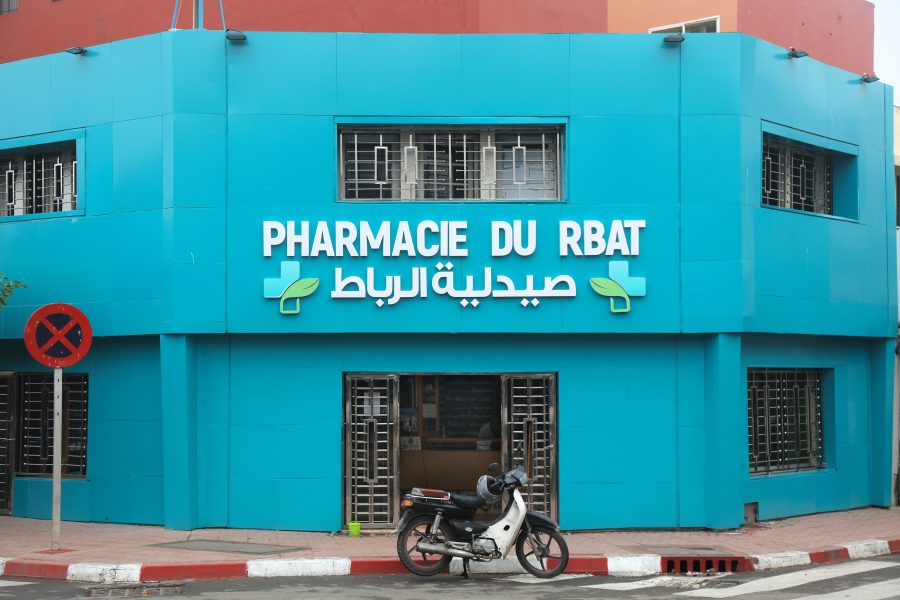
Morocco’s new medicine-pricing rules took effect after Decree 2.25.631 was published in the Official Gazette on August 6, opening a mandatory review of all marketed medicines while exposing a split among pharmacists over whether lower prices could threaten supplies and domestic production.
The decree, dated July 23, amends the pricing system introduced in 2013. It requires medicine prices to be reviewed every three years instead of five and orders a general reassessment of all products within 12 months. Revised prices must take effect no later than 60 days after the corresponding ministerial decision is published. Official Gazette
For original medicines with a pre-tax factory price above 300 dirhams, Morocco will use the lowest price recorded across six reference countries: Saudi Arabia, Belgium, France, Portugal, Spain and Turkey. Products priced at or below 300 dirhams will be benchmarked against the average factory price in those markets.
The decree also links generic and biosimilar prices to those of original products and introduces formulas for changes in dosage or package size, limiting the use of altered packaging to secure indirect price increases. The import margin will fall from 10% to 2.5%.
Khalid Zouine, head of the National Council of Morocco’s National Union of Pharmacists, said the decree followed consultations between the Health Ministry and three professional groups: the union, the National Federation of Pharmacists’ Unions and the National Union of Moroccan Pharmacists.
“The real impact will not appear immediately,” Zouine said, adding that several months would be needed before the Moroccan Agency for Medicines and Health Products identifies products eligible for reductions through international benchmarking.
The Confederation of Moroccan Pharmacists’ Unions rejected that assessment, calling the reform a limited revision of a system it says has contributed to shortages and weakened pharmaceutical sovereignty.
Confederation Secretary-General Amine Bouzoubaa claimed more than 10% of medicines marketed in Morocco are unavailable and said domestic production’s share of national demand had fallen from 80% to 50% over 13 years. Those figures were not independently verified.
Bouzoubaa said repeated reductions on inexpensive generics could push manufacturers toward imports, while leaving costly cancer, heart and diabetes treatments largely unaffordable. Cutting an 18-dirham medicine would offer patients little relief, he argued, compared with reducing treatments priced near 2,000 dirhams.
He also criticized negotiated rebate agreements covering high-cost medicines, saying benefits available through insurers could leave uninsured patients paying more for the same product. The confederation said it attended four ministry meetings but none of its proposals was adopted.






add your comment
Terms of publication : Not to offend the writer, people, sacred things, or attack religions or the divine self, and refrain from racist incitement and insults.