
One in three female migrants from North Africa have experienced sexual assault or gender-based violence while attempting to leave their home country, according to a new report issued by Save the Children on Wednesday.
The study “Girls on the Move in North Africa” focuses on migrant girls. Females who fled their homes because of violence, a lack of work opportunities, family problems, exposure to abuse, and forced marriages, have encountered more threats and dangers when traveling to or through North Africa.
There are 281 million international migrants in the world, with the majority living in the Middle East and North Africa, and the number of females migrating is on the rise.
One in seven girls flee to avoid being coerced into an early marriage, while one in five of the girls interviewed stated that they left their home due to domestic abuse and violence.
Social enterprise Stuart Hall and Save the Children founded the research on interviews with girls and young women between the ages of 9 and 24, mostly originating from sub-Saharan African nations who were migrating to, or through, Libya, Tunisia, and Morocco – as well as arriving in Italy and Spain.
Many girls did not fully understand the hazards and dangers associated with migration before they left. Some females used coping strategies to lessen risks, like disguising as boys or traveling with peers or adults for security.
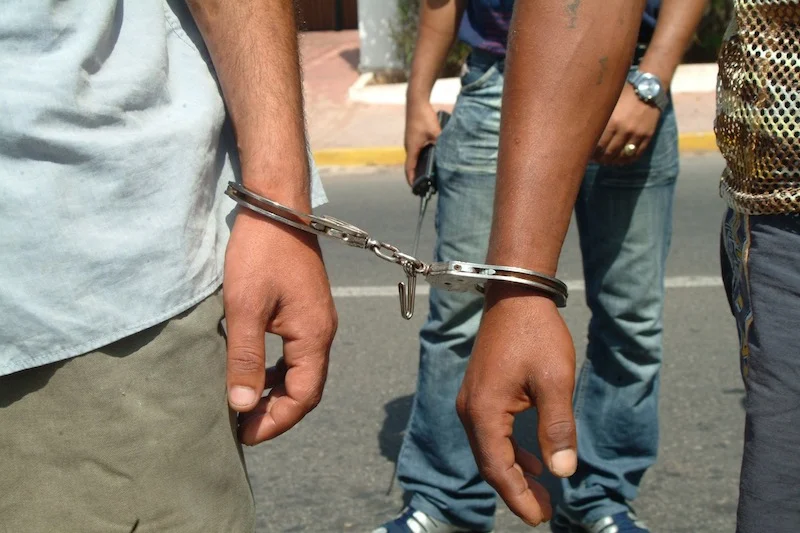
Arrest or detention was another frequent concern for migrants traveling through North Africa.
Along with the risks and threats, females were also likely to face obstacles while trying to receive basic social services like healthcare. One in six females who were surveyed stated that they had difficulty accessing services both while traveling and once they arrived at their location.
“Girls who migrate must have access to healthcare, particularly mental healthcare, as well as maternal health services, birth registration, as well as education and housing. Additional difficulties include a lack of documentation and knowledge of the services that are available, along with language obstacles and mistrust of the authorities.” according to the report.
Additionally, one of the six girls experienced difficulties accessing services while traveling as well as once they were at their destination.
Between March and May 2022, information was gathered from boys and girls in Italy, Spain, Morocco, and Tunisia. The participants, most of whom were from sub-Saharan African nations.
24 boys and young men and a total of 68 girls and young women were interviewed for the study.



add your comment
Terms of publication : Not to offend the writer, people, sacred things, or attack religions or the divine self, and refrain from racist incitement and insults.