Despite the well-known sexual exploitation that accompanied Morocco’s dark protectorate period, new research continues to push the limits of the brutality of colonizers’ crimes against the country’s women and men.
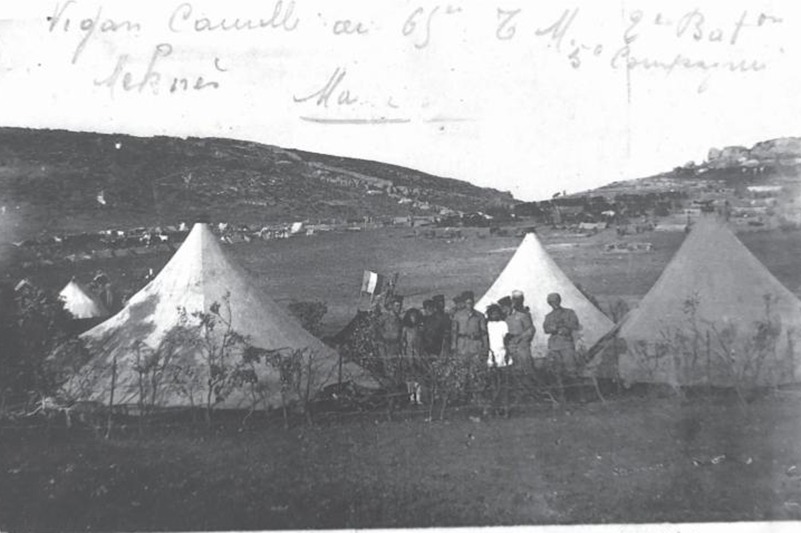
In the recently published “Between metropole and colony: BMCs in colonial Morocco and France in the twentieth century” paper, researcher Catherine Phipps delved into the dark history of the “Bordels militaires de campagne” (BMCs), which were French military brothels established in North Africa under colonial occupation, that displayed a particular “systemic cruelty.”
This system, according to the author, was extended to metropolitan France during the First and Second World Wars due to fears of sexual violence or consensual relationships between Moroccan men and French women.
“Even after brothels were banned in metropolitan France in 1946, French military authorities illegally brought hundreds of Moroccan women to France to work in BMCs because of the Moroccan soldiers still present in the metropole,” says the study.
With poor living conditions, underage labour and a high workload, the French moving whorehouses followed troops as they spread in the North Africa region, and “were supposed to maintain the morale of French troops in Moroccan regions where they could not buy sex.”
Colonial powers exploited Moroccan women to “protect European women against sexual violence from Moroccan men.”
The paper includes detailed revelations from Roger Salardenne, a French journalist who documented the Moroccan women’s work in these BMCs, as they recount the the memories of “poor working conditions, underage exploitation, and strict hierarchies.”
The women, chosen and lead by the état-major, lived in tents distanced from the soldier’s accommodation, but followed troops as they traveled across the Moroccan countryside.
The army’s état-major could move women to different camps around the countryside, prompting Salardenne to write “that the women lead the hard life of a soldier on the move and their fate is hardly enviable.”
“He quoted a medic for the tirailleurs marocains who explained that most BMC employees were so young, so kind.”
Almost all of the women however, were “contaminated with venereal diseases,” in the total absence of care from the French officials and army.
This kind of violence and exploitation was ruling the BMCs, where “Moroccan women were constantly monitored by a Moroccan female manager, a patronne, who would punish any women who developed romantic attachments to soldiers, and wanted to stop selling sex because discipline is the main strength of the army and of the BMC.”
And yet, just because this system was exploitative does not mean that the women working within it always felt exploited, writes Phipps, adding: This is the grey zone between coercion and choice.”








add your comment
Terms of publication : Not to offend the writer, people, sacred things, or attack religions or the divine self, and refrain from racist incitement and insults.