
A recent report revealed that high inflation in Morocco could lead to an increase in poverty by up to 2.1 percentage points, a devastating blow to the Kingdom’s most vulnerable households.
“The family confidence index has reached its lowest level in 14 years, with 83% of respondents declaring a deterioration in their living standards,” according to a recent report by the World Bank’s Middle East and North Africa Economic Observatory.
The report, entitled “The Long-Term Effects of High Prices and Food Insecurity,” said that Morocco experienced a sharp slowdown due to domestic and international conditions, which led to inflationary pressures that “disproportionately affect poor households.”
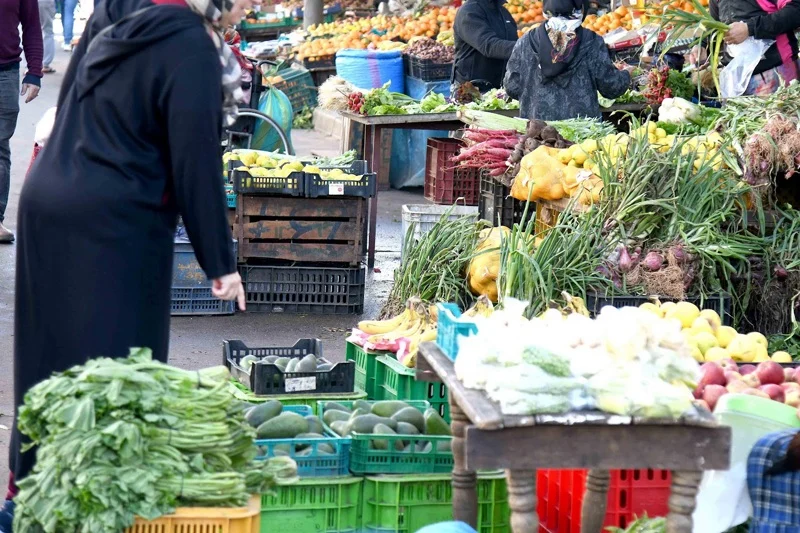
According to the report, “after a long period of price stability, inflation rose, especially for food and energy products,” noting that “although the government supports the purchasing power of citizens by continuing to subsidize the prices of butane gas, electricity, flour and sugar, the price increases were more pronounced for poor families, given that almost 50% of their spending is taken over by food costs.”
Real GDP growth decreased from 7.9% to 1.2% between 2021 and 2022, as a result of the agricultural sector shrinking by 15.1% due to drought, and the stagnation of the manufacturing sector due to high production costs, weak global demand and international supply chain problems.
Although services’ output increased by 5.1% thanks to a post-COVID tourism recovery, the commodity shock, and Morocco’s dependence on energy and food imports are factors that hinder a true and direct affect on consumers’ purchasing power.
The report highlights that “despite the strong performance of exports and workers’ remittances, the current account deficit widened from 2.3% to 4.1% of GDP, a large part of which was financed by foreign direct investment inflows.”
“The supply-driven inflationary rally has become broader-based, pushing core inflation to 8.2% in January 2023,” detailed the World Bank, adding: “the government’s anti-inflationary policies helped contain price pressures on products that represent 22% of the consumption sphere, but the price support cost in the budget rose to 3% of GDP.”
“However, the dynamic of tax and non-tax revenues allowed the budget deficit to be reduced from 5.5% to 5.1% of GDP,” points the report.







add your comment
Terms of publication : Not to offend the writer, people, sacred things, or attack religions or the divine self, and refrain from racist incitement and insults.