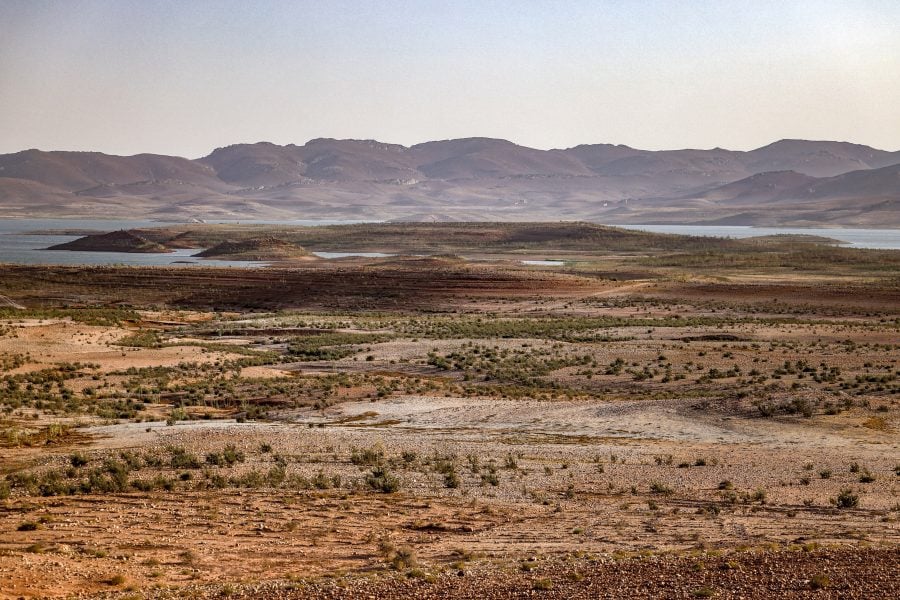
A recent European Investment Bank (EIB) survey revealed that 86% of Moroccan respondents think climate change is affecting their everyday life.
Conducted in partnership with the market research firm BVA, the first African edition of the EIB Climate Survey aims to “inform the broader debate on attitudes and expectations in terms of climate action.” Says the EIB.
The EIB has a long-standing relationship with Morocco, which dates back to 1979, and has provided funding for long-term public and private investments across the country by financing the production of renewable energy and the development of sustainable urban transport.
Morocco has shown through the years its unwavering dedication to the fight against climate change, as one of the first countries in the world to submit its nationally driven contribution.
Morocco is among the countries that are highly vulnerable to climate change, which incentivized the kingdom to prioritize efforts to counter it. Sectors like water, agriculture, fisheries, aquaculture, forestry, health and habitat are all directly affected by the issue.
The survey counts more than 6,000 respondents, including 1000 Moroccan respondents aged 15 and over from 10 African countries.
The survey reveals Moroccans’ opinions and experience with climate change. When asked about the sources of energy their country should invest in to combat climate change, 78% of Moroccan respondents, close to the African average of 76%, say renewable energy should be prioritized, far ahead of fossil fuels (11%).
Under half of Moroccans (49% vs. the African average of 57%) say they or people they know have already taken some form of action to adapt to the impact of climate change. Some of these initiatives include investments in water-saving technologies to reduce the impact of drought and drain clearing in advance of flooding.
The survey results confirm that climate change has negatively affected the livelihoods of Moroccan people, with just over half (51%) stating that their income has been affected. These losses are typically due to severe drought, rising sea levels or coastal erosion, or extreme weather events such as floods or hurricanes.
Survey shows that 86% of Moroccans say that climate change is already impacting their everyday life, which is a result of both the aforementioned phenomena, as well as the implications that climate change has on the global market, and irrationalities that result in an increase in daily life requirements.
“The EIB is collaborating closely with Moroccan partners following COP27 to accelerate climate action investment, including large-scale clean energy, sustainable transport and water investment, to support the country’s green transition.” Said Ricardo Mourinho-Félix, vice-president of the EIB.
As part of the European Green Deal, the European Union has been working with Morocco since 2020 to develop the first green partnership outside the European Union.
The Kingdom of Morocco has been in line with the fight against climate change for more than 30 years. Leila Benali, Minister of Energy Transition and Sustainable Development says: “We have put sustainability at the heart of our development model and we have followed an inclusive approach: Having citizens participate is key to the success.”




add your comment
Terms of publication : Not to offend the writer, people, sacred things, or attack religions or the divine self, and refrain from racist incitement and insults.