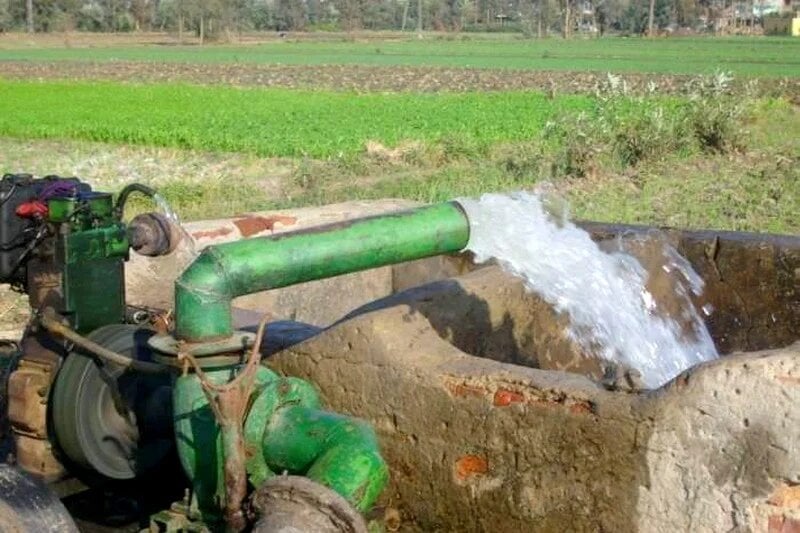
The World Health Organization launched a global urgent call for action to ensure safe drinking water, sanitation, and hygiene for all.
WHO and UN-Water declared that the UN Sustainable Development Goal (SDG) 6, ‘providing access to water and sanitation for all by 2030’, must be accelerated in many countries due to many circumstances, according to the Global Analysis and Assessment of Sanitation and Drinking-Water (GLAAS) joint report from both bodies.
The GLAAS 2022 report, which summarizes the most recent WASH (Water, Sanitation, and Hygiene) system status in over 120 countries, represents the largest data collection to date from the broadest range of nations.
It showed that despite an increase in its budget in certain nations, more than 75% of nations still reported having insufficient funds to carry out their WASH plans and objectives.
WHO’s director general, Tedros Adhanom Ghebreyesus said “We are facing an urgent crisis: poor access to safe drinking water, sanitation and hygiene claim millions of lives each year, while the increasing frequency and intensity of climate-related extreme weather events continue to hamper the delivery of safe WASH services.”
Tedros called on governments and development partners to strengthen WASH systems and dramatically increase investment to extend access to safely managed drinking water and sanitation services to all by 2030, beginning with the most vulnerable.
The GLAAS report serves as a global reference and highlights opportunities to accelerate progress in key WASH areas that positively affect the quality and sustainability of WASH services and delivery, pandemic preparedness, and resilience to climate change, as read on the WHO’s official page.






add your comment
Terms of publication : Not to offend the writer, people, sacred things, or attack religions or the divine self, and refrain from racist incitement and insults.