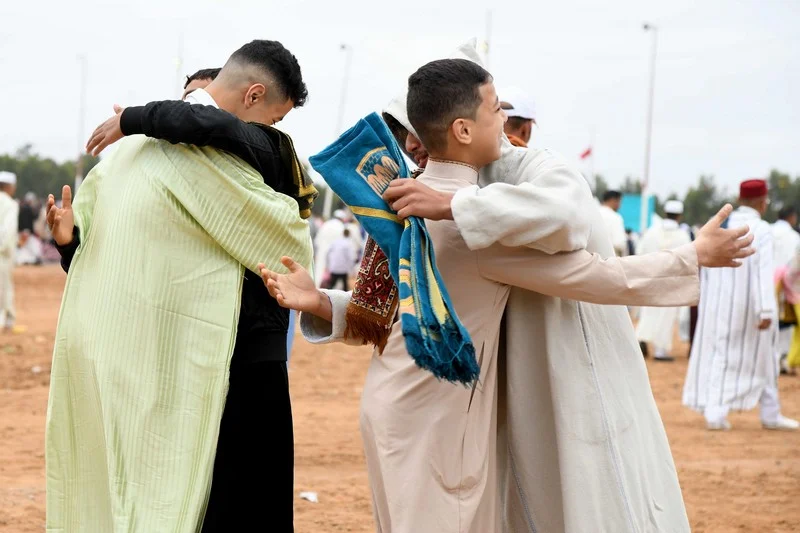
Around 14% of Moroccans don’t visit family and friends, data from the Higher Planning Commission (HCP) has revealed.
A study on the effects of the Covid-19 pandemic on the economic, social, and psychological situation of Moroccan families found that, on average, 38% of Moroccans visit friends and family once a month, while 43% do it 2 to 3 times a month.
Only 18% of Moroccans visit friends and family several times a month, the study has revealed.
HCP further stated that nearly half of Moroccans (47%) meet their families and friends at the same rate as they did before the outbreak of the COVID-19 pandemic, 28% less frequently, and 2 % now meet more often than they did before the disease.
7% of Moroccans stopped visiting families and friends, and 14% do not make such visits, whether before or after the pandemic, added the same study findings.
The use of ICT among Moroccans
HCP’s study also included the consumption rate of ICT among Moroccans, showing that the average daily time for using smartphones, tablets, computers, and social media is estimated at 48 minutes.
In terms of gender, men use ICT means 54 minutes a day on average, while women 42 minutes, added HCP.
Regarding areas, the average time use of ICT is one hour for city inhabitants, and 26 minutes for villagers, said the same source.
The duration of ICT use is longer for people with higher education (one hour and 35 minutes compared to 17 minutes for those without any level of education), added the study findings.
Additionally, students also spend one hour and 45 minutes compared to 50 minutes for active workers and 37 minutes for housewives, followed by young people between the ages of Between 15 and 24 years old (1 hour and 31 minutes compared to 36 minutes for people between the ages of 45 and 59).
Compared to the pre-pandemic period, the daily use of ICT did not change for 88 % of its users, 5.5% used it more, 4.8% less, while 1.7 % did not use it before the pandemic, according to the same source.








add your comment
Terms of publication : Not to offend the writer, people, sacred things, or attack religions or the divine self, and refrain from racist incitement and insults.