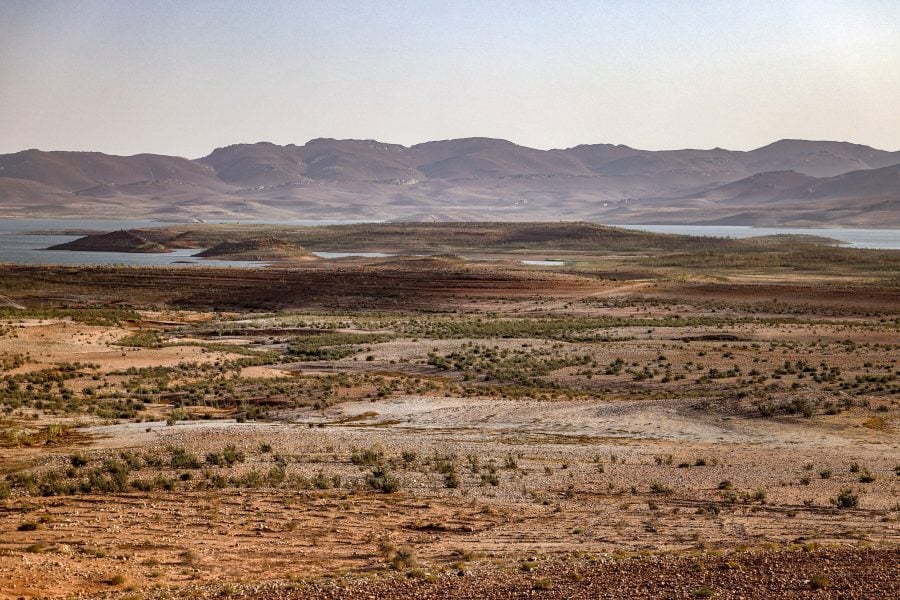
Rif Tribes Foundation, a youth-led indigenous charity dedicated to the development and protection of the region, issued a letter on the occasion of the 2022 United Nations Climate Change Conference (COP27) to alarm representatives and leaders on the devastated ecosystem of the region and the crumbling health of its citizens.
The letter was issued on October 7 by the indigenous activist and president of the Rif Tribes Foundation, Massinissa Akandouch.
The letter sites the past and present struggles of the Rif region, from the effects of Franco-Spanish colonial crimes to health issues that the citizens suffer from due to past use of chemical weapons such as phosgene, diphosgene, chloropicrin, and mustard gas, known as Iperita by Spain during the Rif War (1921-1927).
The region has the most cancer cases in Northern Africa.
These struggles impacted the indigenous population, made worse by the climate challenges that the region faces.
Akandouch said that “the indigenous Amazigh tribes are continuously seeing how the little natural heritage that was left after the ill-legacy of colonization is today being wiped off by the administration in favor of big touristic venues: exposing the local indigenous population even more to the effects of the climate crisis and taking away an indispensable element of Amazigh identity; Tamurt (the land).”
The Rif Tribes Foundation asks that this COP becomes a turning point with regard to indigenous people’s rights by including activists, community, and tribal leaders from all over the continent in the event’s narrative to make it a real African Cop that rises up pressing concerns.
The foundation insists on the importance of listening to indigenous people’s voices to recognize their vulnerability in this climate crisis context and to take into account their extensive knowledge and key role in natural preservation.
Among the demands brought up in the letter, cementing international and regional commitments towards helping Rif communities cope with the effects of global warming; and discouraging both states and private actors from attempting to take indigenous peoples’ natural reserves and land for lucrative projects without their consultation.
“We expect our demands to be listened to and that the rights of indigenous peoples will certainly be one of the backbones of future COP resolutions as well as of regional and national strategies. Our lands, and their people, are dying. So, please, don’t look back at us for another consecutive COP,” said Massinissa Akandouch.
The activist is known as Massanissa of the Rif, He is the great-great-grandson of Prince Amghar Sidi Mohand Ameziane of the Rif. His activism journey started in his childhood by attending protests and campaigns that his family organized to promote Amazigh identity, culture, language, feminism, social rights.

add your comment
Terms of publication : Not to offend the writer, people, sacred things, or attack religions or the divine self, and refrain from racist incitement and insults.