
Morocco’s pension reform project is back on track with the resumption of discussions within the framework of the social dialogue, as an increase in the retirement age from 60 to 65 years old remains unconfirmed.
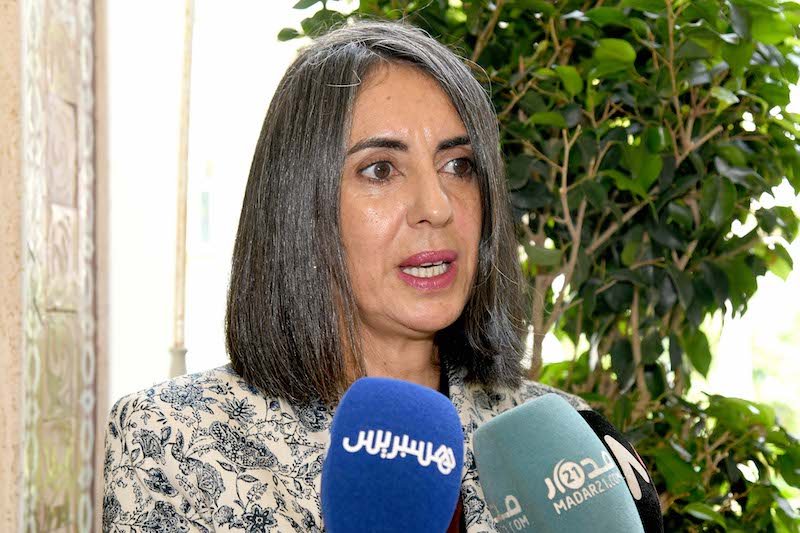
A first meeting of the commission in charge of this matter took place on Wednesday, October 5, under the chairmanship of the Minister of Economy and Finance, Nadia Fettah, in the presence of Morocco’s primary trade unions, the General Confederation of Enterprises (CGEM), the directors general of pension funds and government representatives concerned by this file.
The establishment of this committee stems from the will of the government, unions and professional associations of employers to launch an open and constructive dialogue between the various partners, with the aim of working to establish a public and private pension system, in accordance with the recommendations emanating from the National Committee in charge of Reforming Pension Systems in 2013.
“This is an important moment, as we reaffirm that all stakeholders are around the discussion table to manage this complex reform,” said the minister.
In a statement to the press, the Minister highlighted that “the reform of the pension system is a strategic workshop, which requires a diagnosis of the status of all contingent systems, and a review of the studies completed in this regard, then we will reach the stage of agreeing on a common vision that develops solutions along with a specific timeline.”
“We agreed on a working methodology, and on the fact that it is important and it is our duty to deal with this strategic issue for our country,” she adds.
“It is also important to agree on the diagnosis. Everyone understands the challenges of retirement based on the information they have. We will take the time to agree on the diagnosis. We are not starting from scratch, because since 2013 there are achievements, but it is to update the data and agree,” said Nadia Fettah.
Hicham Zawanat, Head of the Social Committee of the General Confederation of Moroccan Enterprises, said that the studies currently available on pension systems require updating, based on the outcomes of the social dialogue, especially when it comes to reducing the conditions for benefiting from the old-age pension from 3240 days to 1320 days only, which will have a significant impact on the National Social Security Fund.
The work of this commission should lead to a reform scenario and a roadmap for immediate implementation, before the next round of social dialogue scheduled for April 2023.
As the minister points out, this commission begins its work with precedent that dates back to 2013, where a worksheet had been put in place with the creation of a binary private-public pole pension system as its main recommendation, with the prospect of moving towards a single system in a second phase.





add your comment
Terms of publication : Not to offend the writer, people, sacred things, or attack religions or the divine self, and refrain from racist incitement and insults.