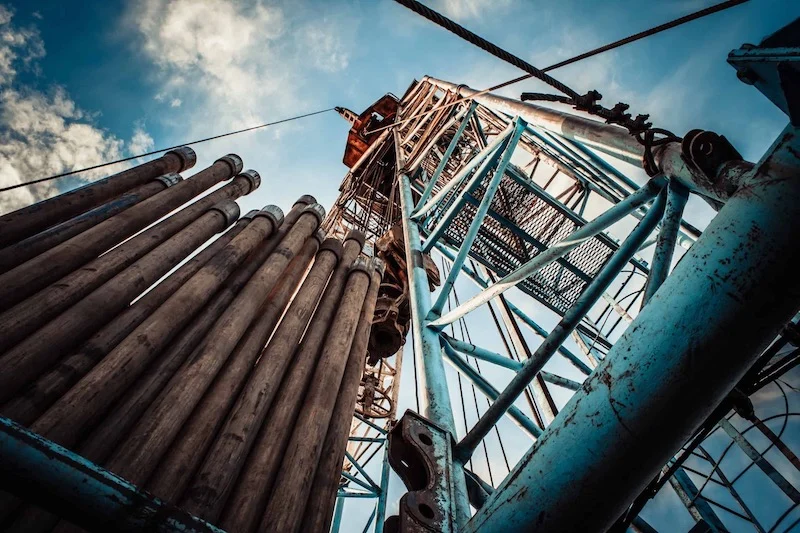
The German government is set to compensate for Russian gas supply cuts through an increased use of coal, maintaining however its goal of abandoning this polluting energy source in 2030.
“The exit from coal in 2030 is not at all wavering […] We may have to restart coal-fired power plants […] which will naturally lead to an increase in CO2 emissions, so it is all the more important that we basically stick to our schedule,” a spokesman for the Ministry of Economics and Climate said at a press conference in Berlin.
The goal of abandoning coal by 2030 is a central point in the coalition agreement of Social Democrat Chancellor Olaf Scholz with his green and liberal partners.
The government has nevertheless decided to announce that it will use so-called “reserve” coal-fired power plants, which are currently used only as a last resort, to guarantee the country’s energy security at a time when Russia is gradually reducing its gas supplies to Europe.
This recourse to coal, which is necessary to deal with the “worsening” situation on the gas market, will be “temporary”, promised the Minister of the Economy and Climate, the Greens’ Robert Habeck, on Sunday, recognizing that it was a “bitter” decision.
The revival of coal-fired power plants will be “a short-term measure” for a “limited” period, until 2024, insisted Stephan Gabriel Haufe, spokesman for the Ministry of the Economy and Climate on Monday.



add your comment
Terms of publication : Not to offend the writer, people, sacred things, or attack religions or the divine self, and refrain from racist incitement and insults.