
A Moroccan NGO is calling out the Justice Minister’s recent decision to limit organizations’ power to legally pursue government officials for financial embezzlement.
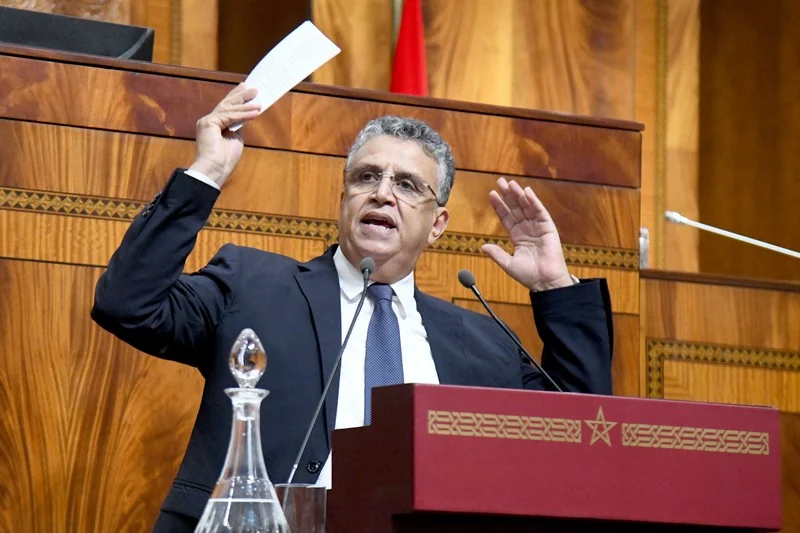
In an intervention before the House of Councilors on April 19, Minister of Justice Abdellatif Ouahbi said that he is in the process of “introducing amendments to the criminal law to prevent associations and NGOs for the protection of public funds from filing complaints against elected officials.”
Ouahbi argued that “the competence to bring up charges against public officials alledging the embezzlement of public funds should remain within the jurisdiction of the Ministry of Interior alone,” saying allowing the associations such powers could expose officials to blackmail.
The Minister’s statements resulted in the Moroccan Association for the Protection of Public Assets to condemn the decision, saying that this would “immunize corrupt officials against any accountability, and weaken the role of civil society in the fight against corruption and misappropriation of public property.”
In a statement, the association regretted the “numerous indicators that confirm the absence of a real political will on the part of the government to fight corruption.”
The same source emphasized “the unbridled desire of the Minister of Justice to legislate special measures for defendants suspected of being involved in corruption cases by granting a privilege to a particular category of citizens, which constitutes discrimination in the eyes of the law and a flagrant violation of constitutional requirements related to the equality of individuals before the law.”
The Moroccan Association for the Protection of Public Assets has decided to organize a sit-in in front of the Ministry of Justice in Rabat on May 7 at 5 pm, under the banner “No to obstruction against civil society and legislation to protect the corrupt. Yes to accountability.”
Government Spokesperson Mustapha Baitas was once again asked about Ouahbi’s decision and its dangerous potential in undermining democracy and transparency. The official declined to address the issue.
Last week, Baitas said that the text Ouahbi is working on is not ready, so commenting on the matter is difficult.
The official spokesman for the government denied the existence of a ready-made law stating this ban and only said that the introduction of special amendments to the laws goes through the procedures for ratification at the level of the government council and parliament.
It is important to note that the first chapter of the Moroccan constitution states that participatory democracy is the basis of the Moroccan constitutional system, guaranteeing citizens’ right to political participation in ways other than voting.





add your comment
Terms of publication : Not to offend the writer, people, sacred things, or attack religions or the divine self, and refrain from racist incitement and insults.