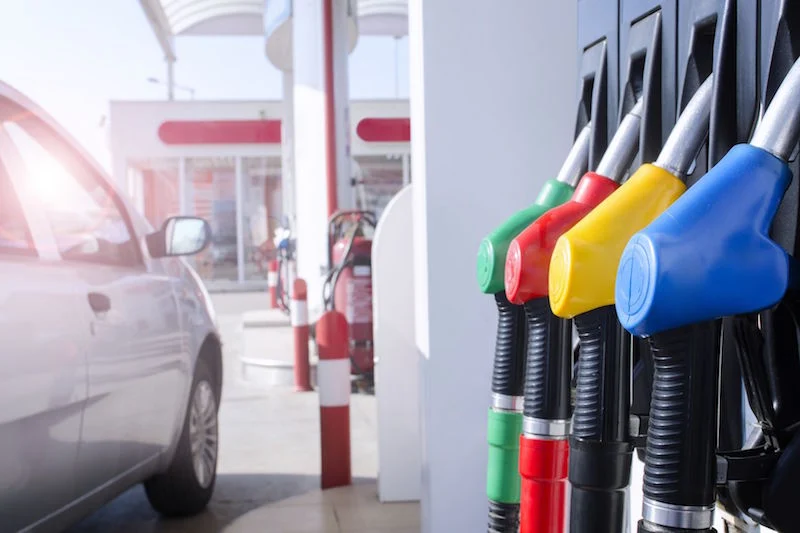
The increase in the price of petroleum products and the current economic crisis that Morocco is going through are the subject of several analyses, including that of the Observatoire du Travail Gouvernemental (OTRAGO), which has delivered its observations and recommendations for dealing with it.
Aware that the Moroccan economy is experiencing the impact of successive increases in fuel prices, their painful repercussions on the various productive sectors, and the subsequent increase in the prices of consumer products that have become expensive for citizens, the Observatory of Government Action has presented a Policy Paper on the government measures taken to address this rapid increase, their effectiveness and their ability to cope.
According to OTRAGO’s analysis, the crisis of rapid fuel price increases in Morocco bears clear international imprints, stemming mainly from the global economic context, which is characterized by the recovery and acceleration of economic activity, after the COVID-19 pandemic, and its effects on the increase in global oil demand, in addition to the Russian-Ukrainian crisis.
Certain that the crisis is mainly due to the international context, the Observatory believes, however, that some measures taken in Morocco with regard to the hydrocarbon sector also contribute to the aggravation of this crisis, and increase the impact of the increase in fuel prices.
Indeed, OTRAGO observes in its Policy Paper “that it cannot be said that the current fuel price crisis in Morocco is due only to international factors,” but on the contrary, “a set of decisions and measures that the Kingdom has accumulated over the years has formed an environment conducive to the exacerbation of this crisis, to the intensification of its impact, especially on the national economic fabric,” says the same source.
“The Moroccan liberation of fuel prices, which took place without any forward planning, without prior involvement of the various parties, without establishing real and clear mechanisms of competition between the various players in the sector, and without any effort to invest in storage infrastructure, including with the unjustified transfer of the oil refinery La Samir and its large storage capacity,” reads the report.
The government has refrained from commenting on the Samir status, and maintains that “the executive is doing its best to manage the repercussions of the international market on domestic prices.”
The government has “rejected” any measure of consumer protection, claims the Observatory, believing that the responsibility lies with the two previous governments, which paved the way for this situation.






add your comment
Terms of publication : Not to offend the writer, people, sacred things, or attack religions or the divine self, and refrain from racist incitement and insults.