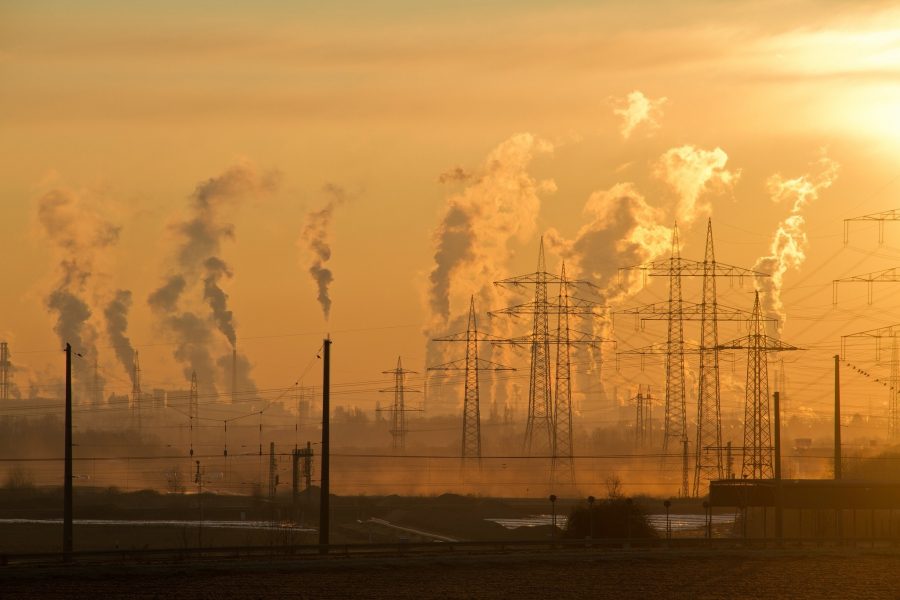
As the effects of climate change keep worsening all over the world, the United Nations, through its Meteorological Organization, plans to spearhead a crucial and ambitious project of setting up a global weather warning system by 2027.
In a video message on the occasion of World Meteorological Day, António Guterres, the UN’s Secretary-General, said: “Early warnings and action save lives.” A statement that perfectly encapsulates the UN’s objectives in leading a worldwide effort to prevent any unnecessary loss of life.
During the World Meteorological Day ceremony, Guterres reminded the audience that the latest report from the Intergovernmental Panel for Climate Change (IPCC) uncovers, in sordid details, the “unacceptable climate inequality” that the world is going through right now.
For example, one-third of the world’s population, majorly in the least developed countries (LDCs) and small island developing states (SIDS), don’t benefit from any early weather warning system, 60% of which is in Africa.
Climate change is now an undeniable truth. It has led to many climate anomalies, from extremely unstable weather to severe droughts and heatwaves worldwide.
It is a striking reality that needs to be urgently addressed all over the world, as expressed by Guterres: “We must boost the power of prediction for everyone and build their capacity to act,” before adding: “On this World Meteorological Day, let us recognize the value of early warnings and early action as critical tools to reduce disaster risk and support climate adaptation.”
The international climate plan will cost $1.5 billion, a relatively small amount compared to the losses wrought by climate or water-related disasters every year for the past 50 years, which reached as high as $202 million daily according to the 2021 WMO Disaster Statistics.





add your comment
Terms of publication : Not to offend the writer, people, sacred things, or attack religions or the divine self, and refrain from racist incitement and insults.