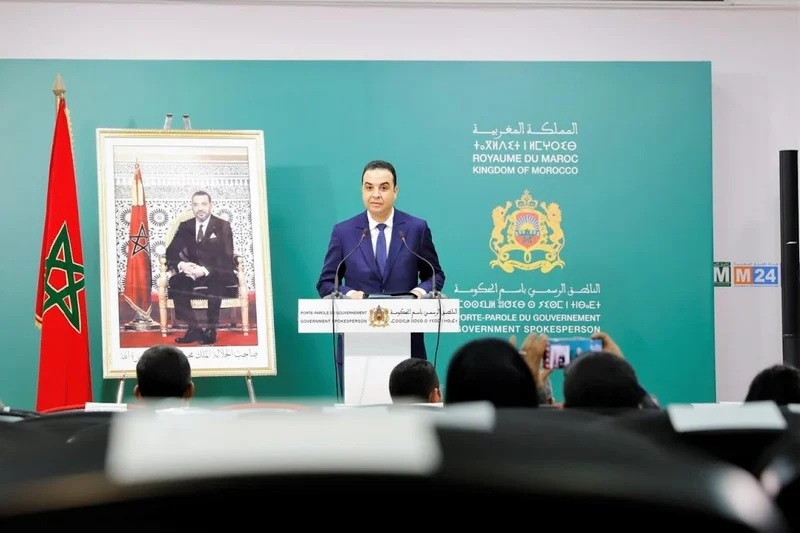
The emergency numbers the Ministry of Foreign Affairs put at the disposal of Moroccan students in Ukraine “received over 7,095 calls since its activation,” said Government Spokesperson Mustapha Baitas.
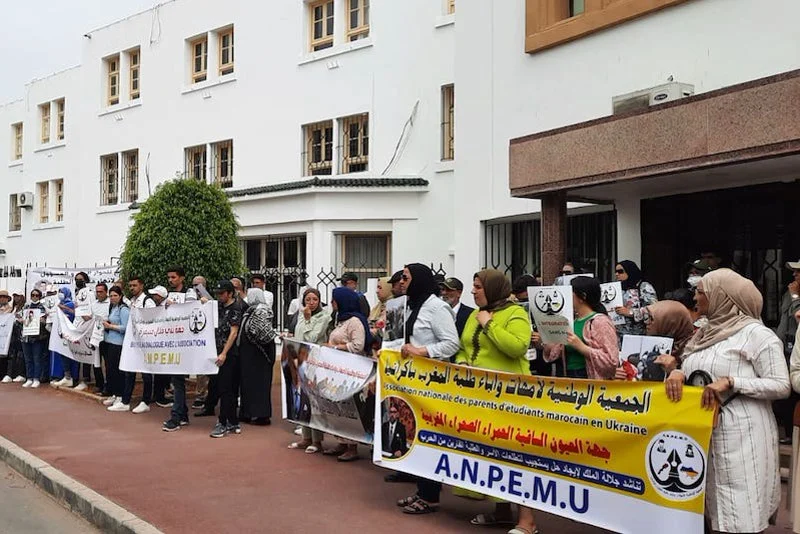
The official spoke on the ongoing Russian offensive of Ukraine, and the situation of the Moroccans stranded in the European country, saying that “28 diplomats in Ukraine are currently working on the issue,” in an attempt to repatriate the nationals and assess the situation.
Multiple Moroccan students have evacuated Ukraine since the initial signs of a potential military escalation, which became all too real this Thursday morning.
Baitas specified that “many Moroccan students left the Ukrainian soil already, after the embassy’s warning two weeks ago.”
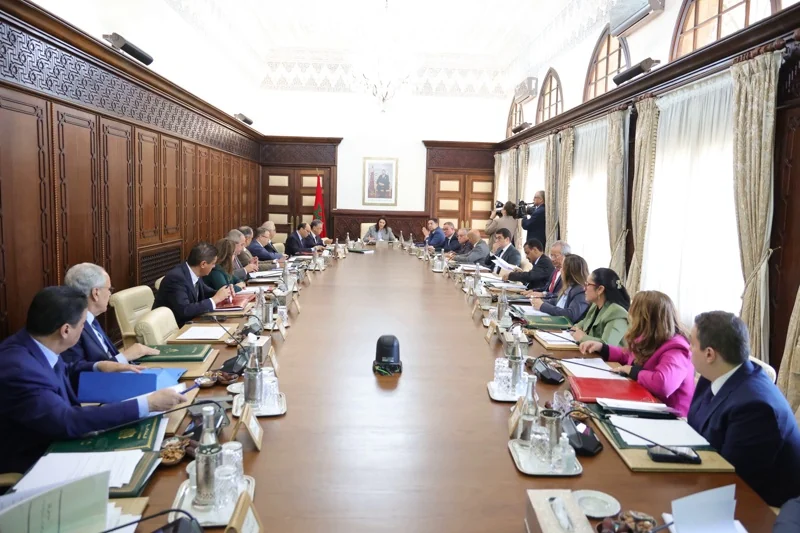
During a press briefing that followed this week’s Government Council, Baitas stated that “the Moroccan Embassy in Ukraine is monitoring the situation very closely, and is receiving calls and requests from students and Moroccan citizens in the country. ”
Regarding the impact of the Russia-Ukraine crisis on prices, Baitas said that “a spike in prices for wheat and oil is certain,” but assured that “there will be no significant impact in terms of supply to the national market.”
The official reminded the press at the conference that “Morocco, in anticipation and out of caution, had ordered sufficient supplies of grains since January,” which will allow the Kingdom to ensure its domestic demand.
Energy prices in Europe recorded sharp increases today, against the backdrop of Russia’s launch of a military operation in Ukraine, and the Western response of harsh financial sanctions.
Oil prices crossed $100 a barrel for the first time in more than 7 years after Russian President Vladimir Putin announced his country’s military intervention.
Wheat, another main export of Ukraine, has also seen its prices surge to unprecedented heights.
Despite ongoing rising inflation in Morocco and the recent international development, Baitas ruled out the possibility of amending the financial law, saying that “there is no need, because there is a margin of flexibility within the law for such shifts, to confront the constraints and keep pace with the price of foodstuffs.”
The official explained that such amendments are necessary when the state budget’s resources are affected, which is not the case today.







add your comment
Terms of publication : Not to offend the writer, people, sacred things, or attack religions or the divine self, and refrain from racist incitement and insults.