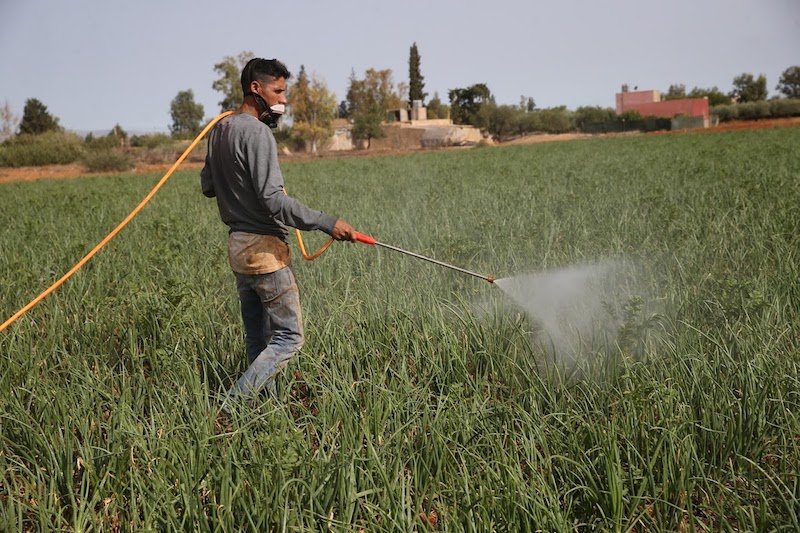
The Moroccan government is accelerating the implementation and distribution of the emergency MAD 10 billion drought aid to agriculture workers.
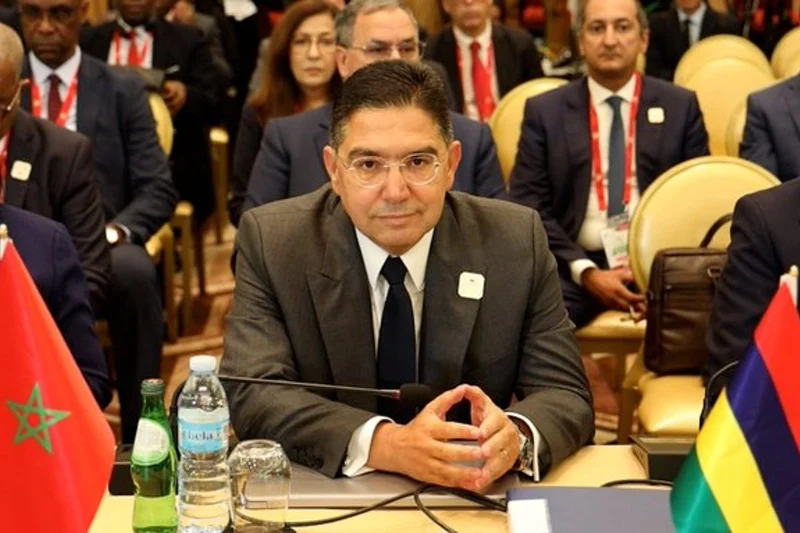
Minister delegate in charge of the national budget, Faouzi Lekjaa, explained on February 18, the distribution of the emergency aid during a press conference following this week’s government council.
According to the official, “6 billion will be used to finance and reschedule farmers’ debts, particularly small farmers,” as they heavily rely on financial institutions to finance their activities during such droughts.
The “agricultural insurance” component will require a MAD 1 billion allocation, said the Minister, adding that “the State will intervene to cover crops and finance agricultural insurance, especially for autumn crops,” which were heavily impacted by the scarcity of rainfall.
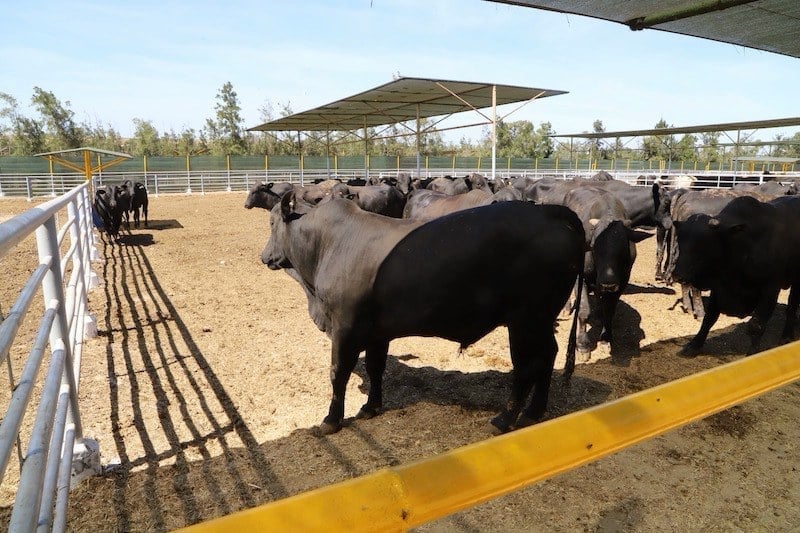
Finally, the remaining MAD 3 billion will be directed to various activities affected by the drought, including livestock farmers, to ensure the availability of fodder and necessary veterinary products in sufficient quantities and at affordable prices.
Additionally, Morocco’s head of government Aziz Akhannouch chaired a meeting with various executive officials, ministers, and heads of national agriculture agencies, to mitigate the effects of the record low precipitation Morocco recorded this year.
A statement from the Head of Government’s department further detailed the government’s distribution of the budget, part of its emergency plan to alleviate the drought’s impact on the sector, which in 2019, contributed a whopping 17% revenue of the annual Moroccan GDP.
The program is focused on three main aspects, the first being the protection of animal and plant capital and proper management of available water resources, the second concerns agricultural insurance, and the third provides for the alleviation of financial burdens on farmers and professionals, previously mentioned by Lekjaa.
The government will undertake the distribution of 7 million quintals of subsidized barley, in addition to 400,000 tons of compound feed to dairy farmers, to mitigate the impact of rising fodder prices and shortage. The cost is estimated at MAD 2.1 billion.
In addition, vaccination and veterinarian treatments for an approximate 27 million sheep and goats, 200,000 camels, and millions of bees, was given a budget of MAD 300 million.
A MAD 255 million budget was also assigned to the rehabilitation of small and medium hydraulic perimeters. This budget was for the maintenance of equipment and the creation of employment opportunities through the development and upgrading of pipes and other watering equipment.
Likewise, MAD 224 million is allocated for the development and equipment of water points, the purchase of cisterns and tankers, as well as the development of a path network, covering an area of 10,000 hectares.
Supplemental irrigation for the sustainability of newly planted orchards aged from 2 to 5 years will also receive a contribution of MAD 121 million.






add your comment
Terms of publication : Not to offend the writer, people, sacred things, or attack religions or the divine self, and refrain from racist incitement and insults.