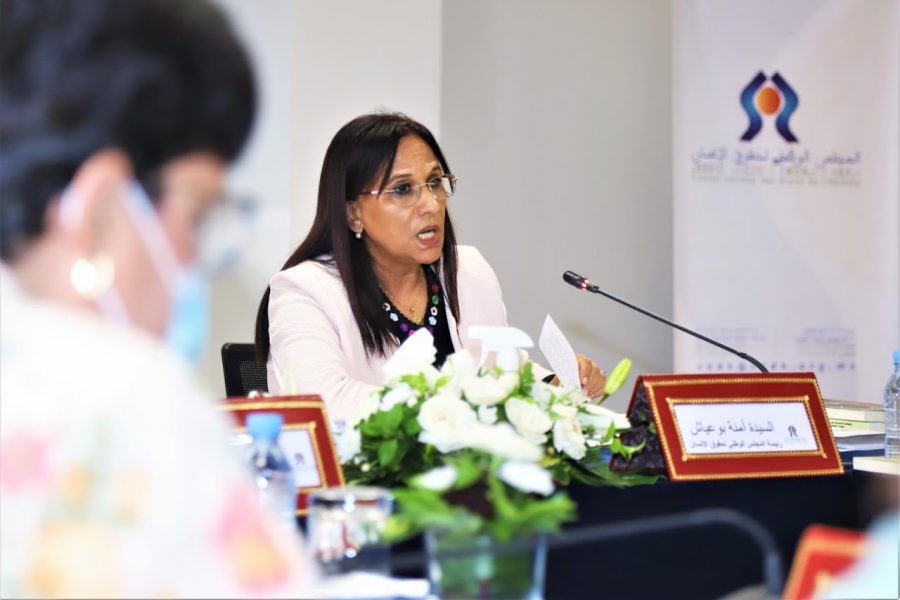
“Draw me abolition: For a Morocco without the death penalty” is the title of a new publication published by the National Council for Human Rights (CNDH).
This 76-page medium-format booklet contains a collection of drawings created by students at the Casablanca school of fine arts during a workshop led by the artist-painter Narjiss Jbari where they gave free rein to their creative inspiration on the subject of the death penalty.
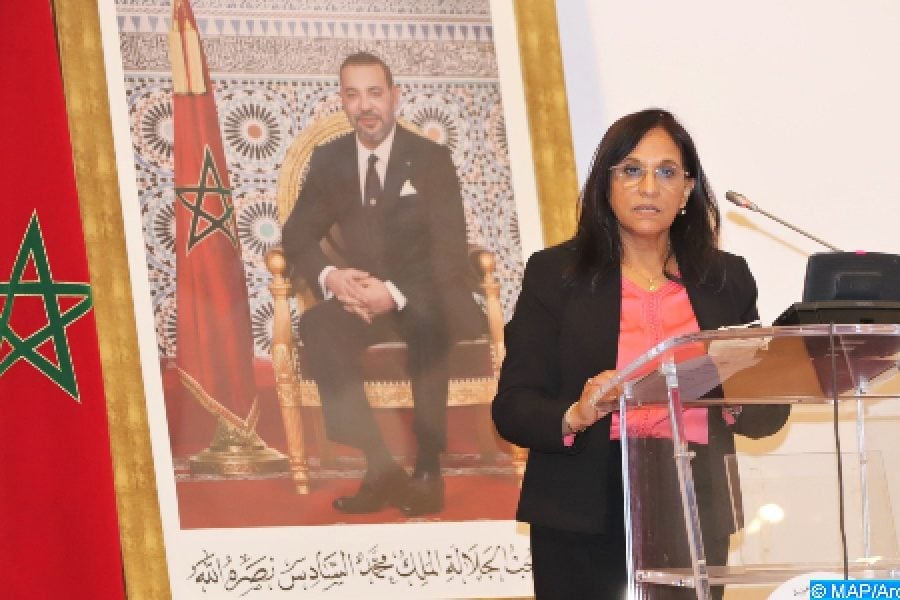
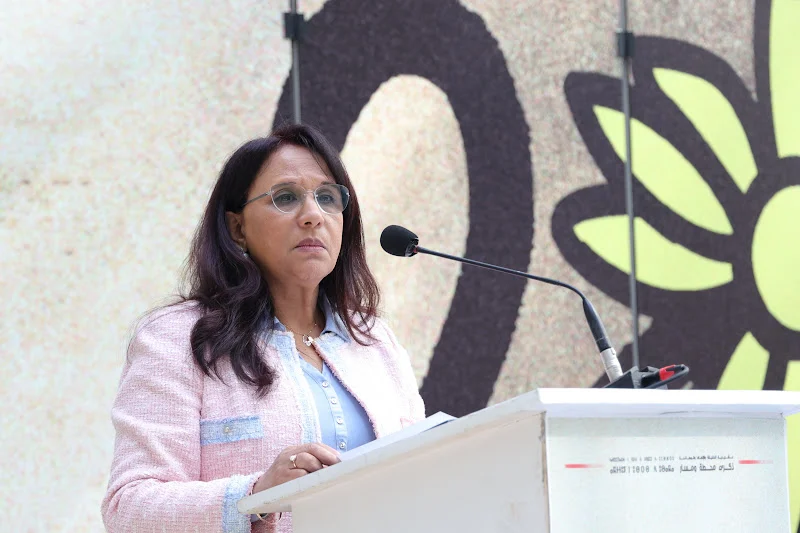
In a preface to the book, the president of the CNDH, Amina Bouayach, underlined that the arts very often manage to sublimate imagination and freedom through a curious game of mimesis and to establish themselves as an impressive means of expression and mobilization.
Rather than being merely a tool of integration, artistic expression, she emphasized, was a powerful tool of communication that, when backed by a language capable of uniting individuals regardless of their cultures and social affiliations, was a powerful educational tool for children and young people.
She noted that the works compiled in this booklet reflect the density and richness of this artistic quest filled with hope and truths based on the workshops on artistic expression.
According to Bouayach, the idea behind the book was both humble and optimistic, as it relied on young people and children becoming involved as well as educators and accomplished artists, in the same democratic spirit that challenges the creative imagination and critical thinking about an issue like the death penalty.
In this work, certain quotations illustrate the predominance of the right to life in the Constitution, the consistency of the CNDH’s position regarding the death penalty, and the place the abolition of the death penalty occupies in international law.


add your comment
Terms of publication : Not to offend the writer, people, sacred things, or attack religions or the divine self, and refrain from racist incitement and insults.