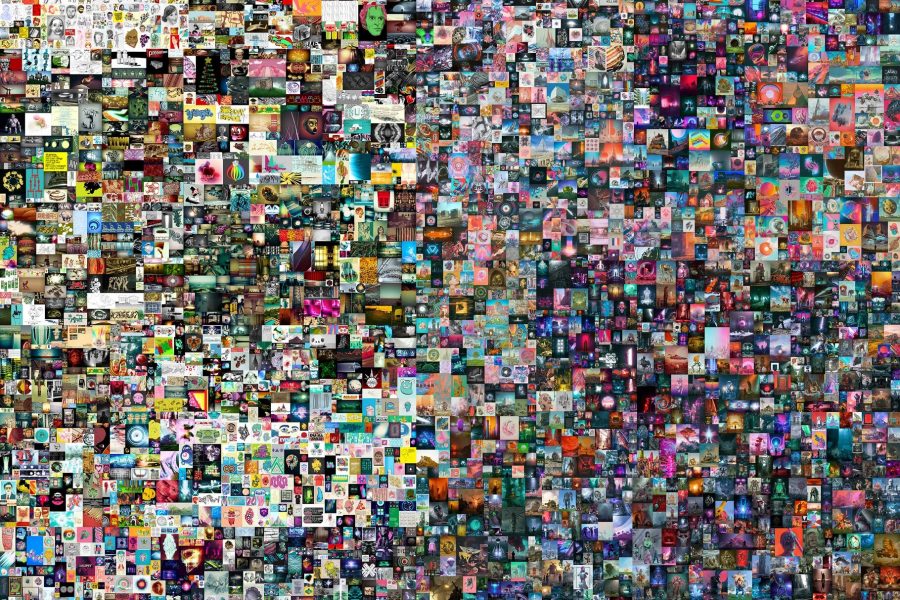
As metaverse is the next chapter of the internet, Non-fungible tokens (NFT) will grow more as they are a potentially useful financial and artistic architecture for the metaverse, says Younes Laassouli, a Moroccan digital artist.
“In the years to come virtual metaverse, or the next internet will grow more and so NFT art. We know that Facebook changed its name to meta to build the next virtual world. So if you have a house or a virtual desk, you could hang a digital art. Visitors can buy your NFT as a collectible just like they could do now in the physical life,” said Younes Laassouli, the admin of the Facebook group NFT artists Morocco.
The metaverse started first as a science fiction term in Neal Stephenson’s novel Snow Crash published in 1992, where it referred to a 3D virtual world inhabited by avatars of real people.
Nowadays, tech giant companies, as the formerly known Facebook, took the term metaverse from the dystopian fictional worlds to the reality of the 21 century where people can set virtual spaces, create and explore with other people who aren’t in the same physical space as them, and all that will be related to the NFT.
NFTs are a special type of blockchain-based tokens that can be used to demonstrate proof of ownership over digital items, such as art, music, or costumes in virtual worlds as video games.
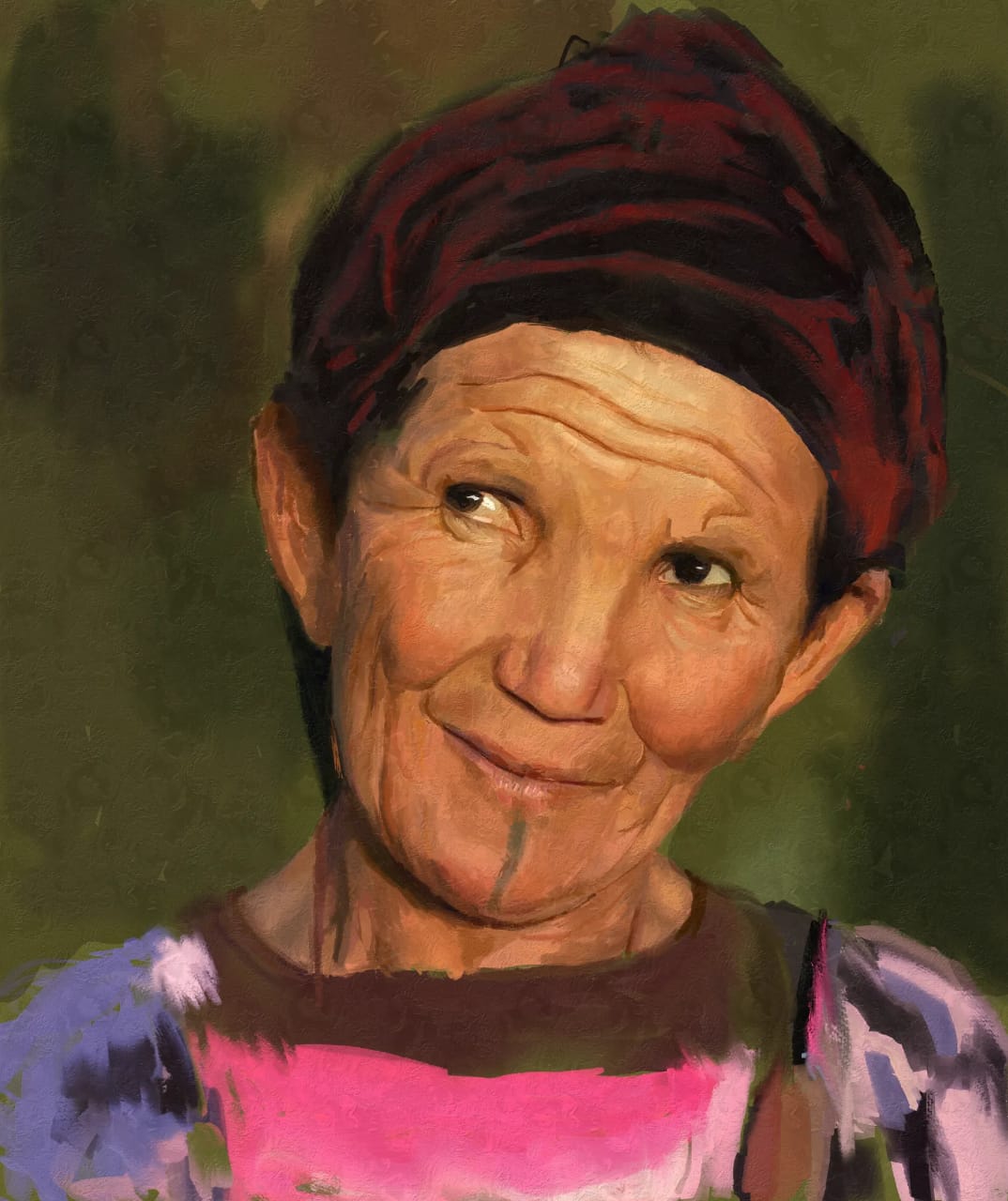
With Zuckerberg’s “meta” announcement, various projects and games are rushing to capitalize on the intersection between the metaverse and NFTs—and they’re promising to transform the way we interact online. One example is Decentraland with its limited number of “LAND tokens” that denote ownership of metaverse real estate.
It’s a rabbit hole of advanced technology and capitalism, however, many artists see that NFTs are a gamechanger for the digital art scene, increasingly allowing digital artists to make a living off their work, or more than a living, as the record-setting USD 69 million closing bid for a digital art piece by Mike Winkelmann, proves.
“In NFT Business, just to simplify, we replace the physical item with a digital item, it could be a jpeg, a video or even a tweet”, said Laassouli who started his journey in the NFts business this year.
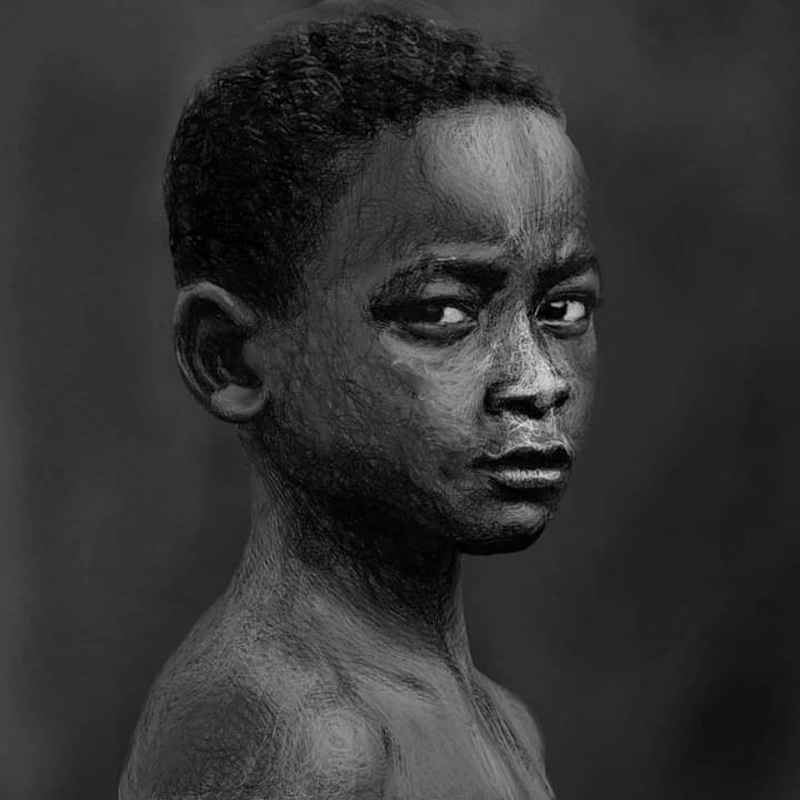
The digital creator continues to get royalties from their digital item even from the secondary sales, which is not available in the physical art business, according to the Moroccan artist.
“Instead of the physical wallet we use the digital wallet as currency is replaced with cryptocurrency, which is in this case, ethereum,” he added.
Ether is the form of payment for network participants to execute their requested operations on the ethereum network, where most of the Nfts deals take place. It is the world’s second-largest virtual currency by market capitalization as of 2021; it is second only to Bitcoin (BTC), according to market value. However, it is characterized by instability as every cryptocurrency.
“Instability is normal in the cryptocurrency world and also a good sign, if prices are high it’s because more transactions are made. When they’re lower it’s an opportunity to mint a new NFT or to finish a sale,” said Laasouli.
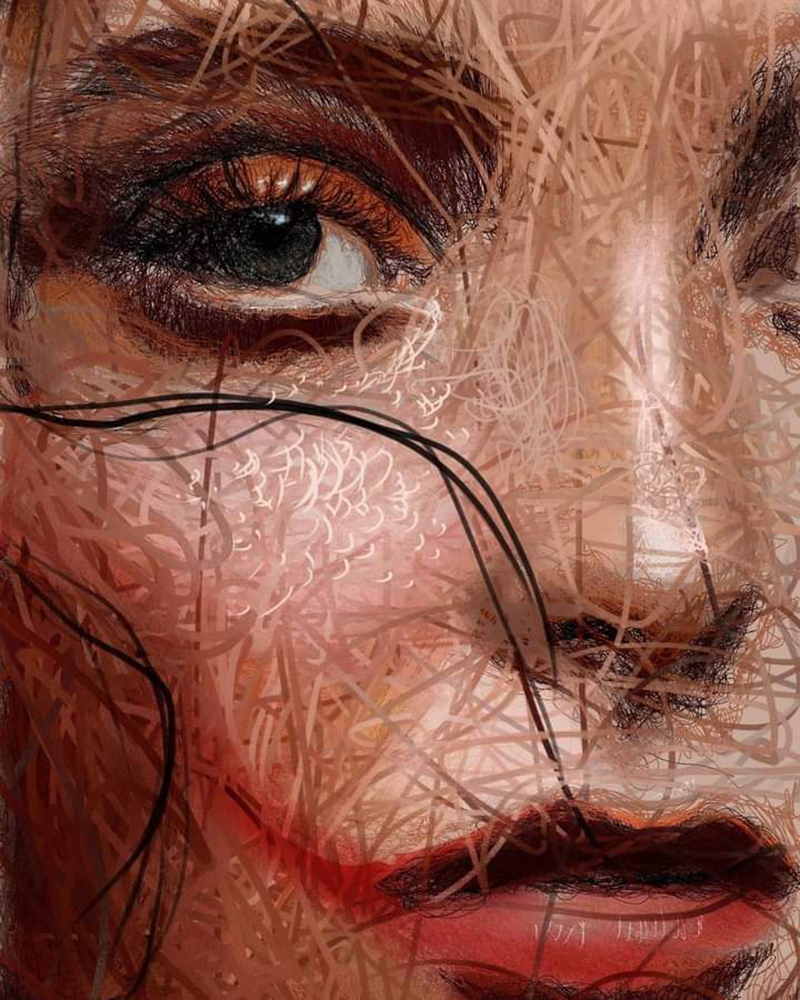
The young Moroccan artist, who created the Facebook group “NFT artists Morocco” to bring Moroccan digital artists together, sees that the NFT hype still didn’t really sweep the Kingdom, however many interesting works made by Moroccan artists started appearing in the community amid the increasing tendency of buying digital assets among Moroccan youth, according to Laassouli.
“The concept of buying a digital asset is very popular now among Moroccan youth, we know that they buy virtual clothes in Fortnite. It won’t be difficult for them then to see the value of an NFT, as the benefit here is that an NFT is really owned and could be sold and no company can take down what you own because it’s in a decentralized Blockchain, not in a company server,” he said.
Younes Laassouli, who started digital art in 2002 using painter before upgrading his gear to more developed apps, prepares today to launch his 2022 exhibition mixing digital and physical artworks.
“For me, digital art is just the physical art but with different tools, we use virtual colors, virtual brushes, and virtual canvas. I can start a painting in the smartphone and complete it on canvas with oils and vice versa,” said Laassouli.

add your comment
Terms of publication : Not to offend the writer, people, sacred things, or attack religions or the divine self, and refrain from racist incitement and insults.