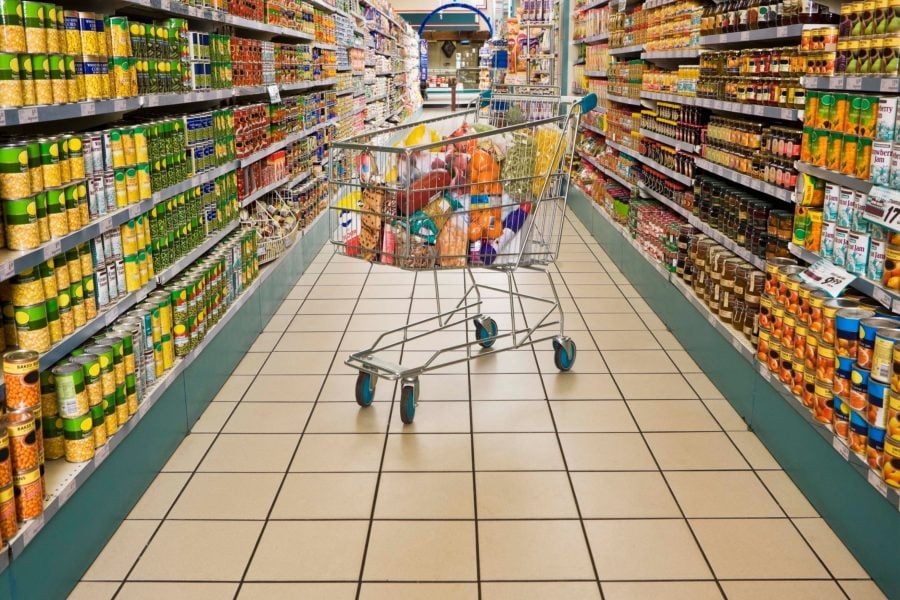
A surge in food prices has left many Moroccan households with strained wallets, tough decisions at supermarkets and growing dissatisfaction with the newly appointed government that many see is not doing enough to alleviate pressure on consumers.
Social media is rampant in recent weeks with complaints by consumers like construction worker Said Benaboud who is now struggling to put food on the table for his family of five.
“Oil, lentils and pasta have become beyond my reach. My family and I don’t consume them as much as before. Every essential product and ingredient is more expensive than it was before, ” Benaboud told Hespress EN.
Prices for cereals soared 4.6% and oils 2.5% in September alone, with the entire Consumer price index recording an increase of 1.2% in the same month – and there isn’t a singular reason to blame.
For months, the food supply chain has been battered by high transportation fees, harvest setbacks and strong demand following the Covid-19 economic slowdown that’s driven global food prices to reach a 10-year peak in October, according to data compiled by the Food and Agriculture Organization (FAO).
“It is precisely because of the economic hardships introduced by the pandemic that the government should not allow these price rises. We’ve been struggling for two years,” said the constitution worker, who had been hoping to save money after he resumed his work, but to no avail.
His concerns echo those of middle school teacher Karim S who fears what the government dubbs as temporary adjustments to the global market might linger on.“Each month gets slightly worse than the one before,” he told Hespress EN.
He urged the government to take “full responsibility,” and swiftly “counter these spikes before it gets worse.”
Speaking to reporters during the government’s press briefing on Thursday, Government Spokesman Mustafa Baitas said the price hike is temporary.
“The suspension and disturbance of various production chains is inevitably reflecting on domestic pricing,” he said.
“We are following up on the matter,” he added.
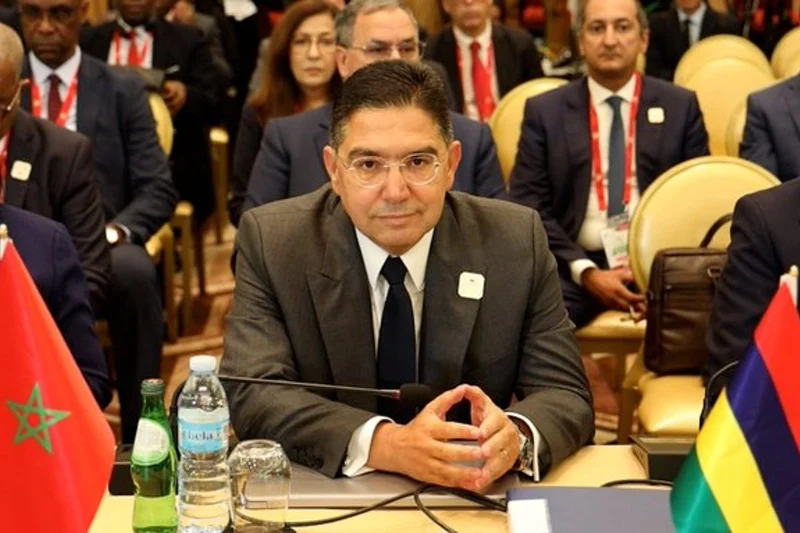
Faouzi Lekjaa, Minister Delegate to the Minister of Economy and Finance in charge of the budget who intervened in the same briefing assured his government would not scale up prices on subsidizing essential products, mainly wheat.
He said his government set up an-ministerial committee to address the price surge.
In late October, the government suspended an import tax on durum and soft wheat, a move that would encourage foreign producers to export to the North African country and evade a price surge on bread that keeps millions of Moroccans fed.
Lekjaa said the 2022 Finance Bill allocates sufficient funds to upkeep state subsidies, which would mean further pressure on state coffers, amid a high fiscal deficit that reached 7.6% in 2020.







add your comment
Terms of publication : Not to offend the writer, people, sacred things, or attack religions or the divine self, and refrain from racist incitement and insults.