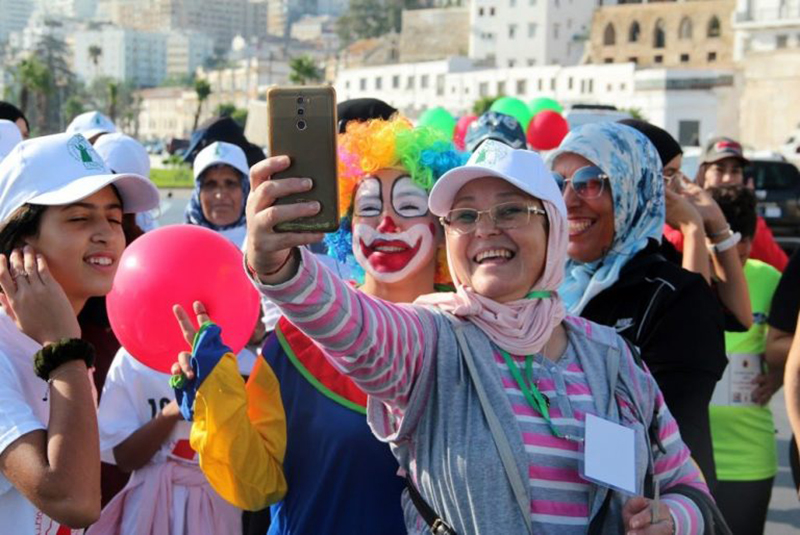
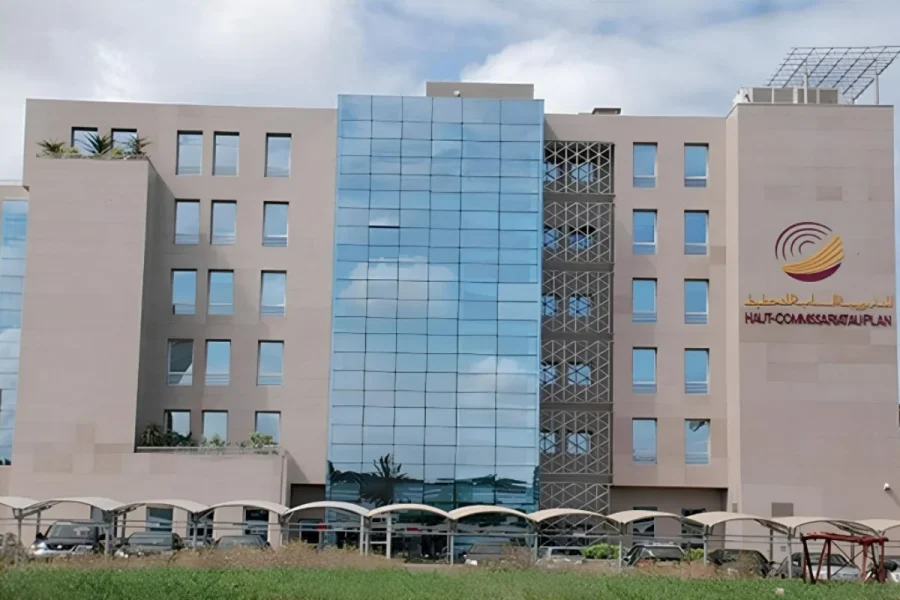
Women represented more than half of the total Moroccan population in 2020, according to a recent report by the Higher Commission for planning (HCP), entitled “The Moroccan woman in figures: 20 years of progress.”
The updated edition came as Morocco celebrated National Women’s Day on October 10.
The majority of Moroccan women aged 15 or above are married (57.8%), 28.1% are single, 10.8% are widowed, and 3.3% are divorced.
As for life expectancy at birth, women are estimated to live 78.3 years as of 2020, compared to 72,1 in 2001, longer than men whose life expectancy is estimated at 74,9 years in 2020 compared to 68,0 in 2001, the same source added.
In terms of education, for the school year of 2019-2020, 90.5% of girls aged 15 to 17 in urban areas were enrolled in schools, compared to 75,3% in 2010, while 39.2% of girls in rural areas were enrolled in schools, compared to 6.1% in 2010.
HCP reported that the proportion of women in higher education reached 52.7% in 2019 compared to 42.9% in 2000, a percentage that was driven, in particular, by 73% in dentistry, followed by medical studies and pharmacy by 67.8%, sciences by 59.4%, education sciences (ENS and ENSET) by 55.5%, and Technology studies by 53.4%.
However, women’s participation in the job market decreased to 73.7% at the national level, compared to 77.9% recorded in 2000.
The unemployment rate for women has increased to 16.2% in 2020, compared to 9.6% in 2010.
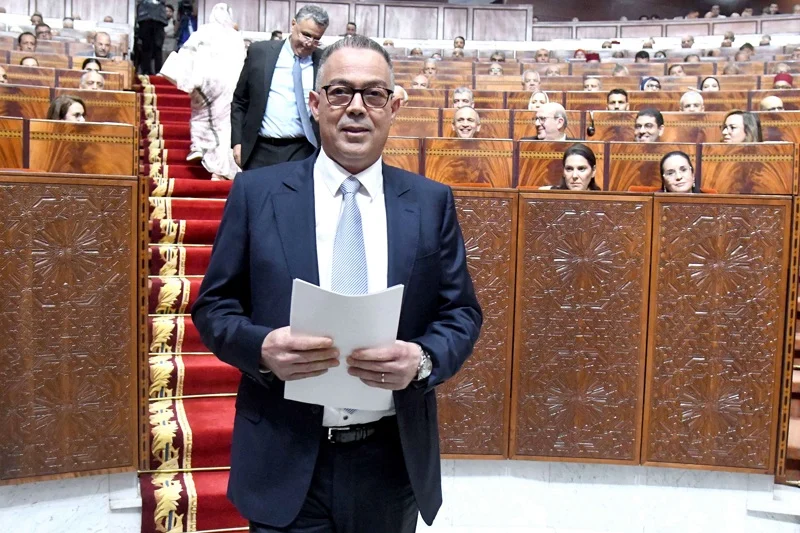
As for women’s participation in politics, Morocco’s new government has a rate of 29.1% of women, compared to 12.8% in the previous government.
Regarding the share of female candidates in the elections, women represented 39,79% in the regional councils, followed by 34,2% in parliament, and 29,87% in communal councils.




add your comment
Terms of publication : Not to offend the writer, people, sacred things, or attack religions or the divine self, and refrain from racist incitement and insults.