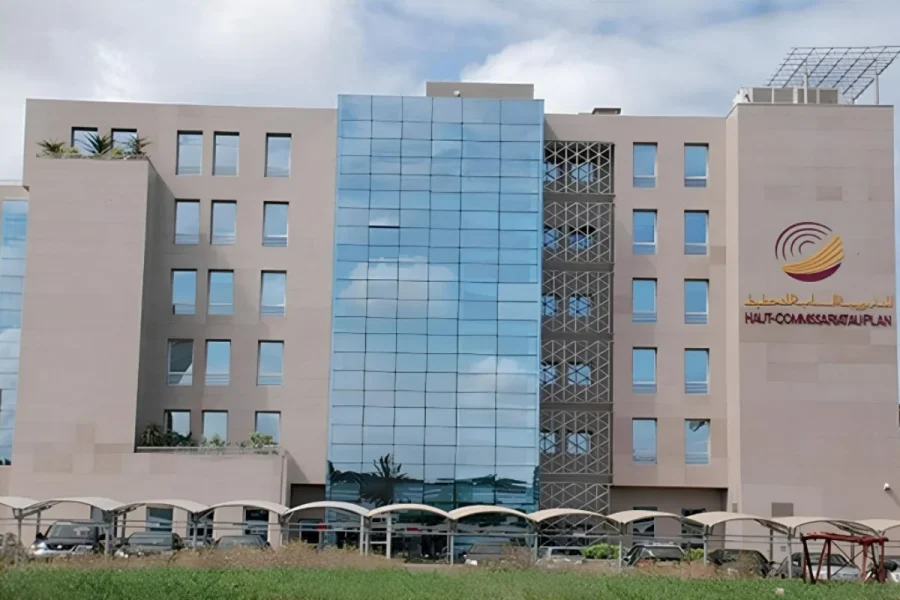
Morocco’s total state spending is expected to reach 28.1% of gross domestic product in 2026 before easing to 26.9% in 2027, while overall public debt remains above 76%, the High Commission for Planning said in its July 2026 economic outlook.
The projections show that higher tax receipts and a narrower budget deficit will produce only a marginal decline in debt as payroll, subsidies and infrastructure projects keep spending difficult to reduce.
Employee compensation is forecast to remain at 10.6% of GDP in both years, while spending on other goods and services averages about 7%. Public investment is projected at 6.9% of GDP in 2026 and 6.4% in 2027.
Subsidy costs are expected to rise to 1.2% of GDP in 2026, but butane prices exceed the initial assumption of about $500 per tonne. Continued aid for transport operators and larger transfers to electricity and water utility ONEE will add to the bill.
The government has approved an additional 20 billion dirhams for 2026 to stabilise essential goods prices and cover unexpected costs linked to higher global commodity prices and Middle East tensions.
Ordinary revenue is forecast at 24.3% of GDP in 2026 and 23.5% in 2027, supported by tax receipts of 20.6% and 20.4%, respectively.
The budget deficit is expected to narrow from 3.5% of GDP in 2025 to 3.4% in 2026 and 3.2% in 2027.
Treasury debt is projected to fall from 65.8% of GDP in 2026 to 65.2% in 2027. Overall public debt, including external borrowing by other public entities, would decline more slowly from 76.5% to 76.1%, while the Treasury’s external debt rises from 18% to 18.3% of GDP.




add your comment
Terms of publication : Not to offend the writer, people, sacred things, or attack religions or the divine self, and refrain from racist incitement and insults.