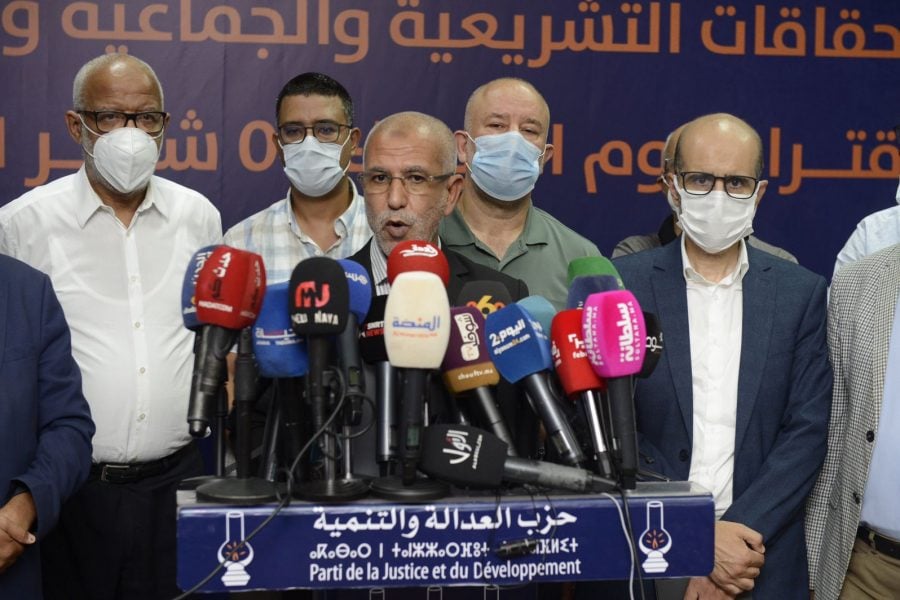
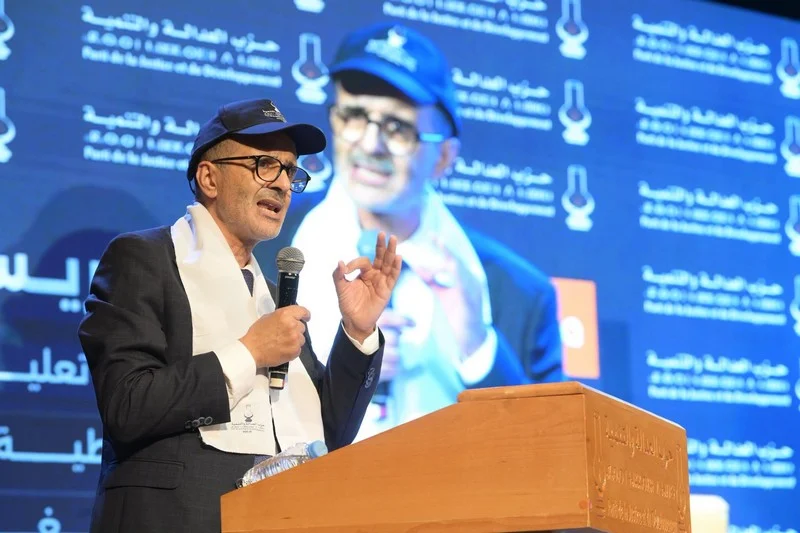
Secretary-General of the Justice and Development and former Head of government Saad Eddine El Othmani quit the party leadership after the bitter loss of the legislative elections.
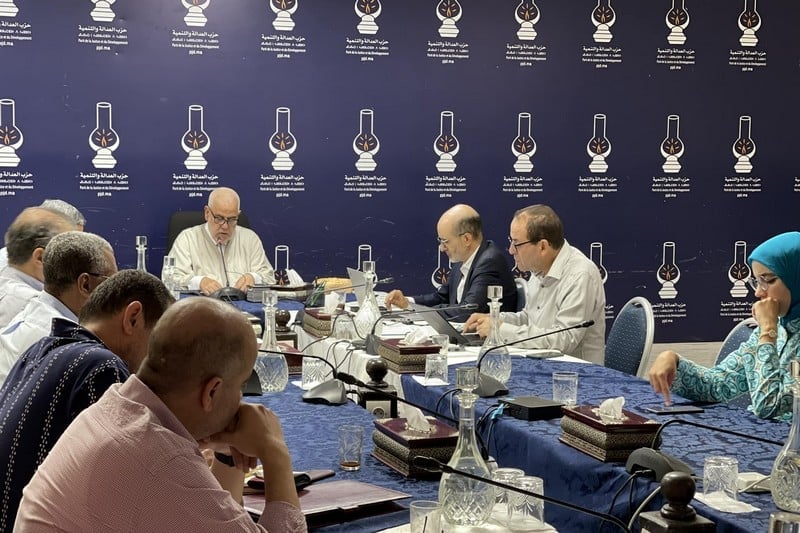
The entire General secretariat of the party tabled its resignation today, according to an official communique, saying that the results of the legislative elections are “incomprehensible and illogical” and “do not reflect the reality of the political map, nor the party’s position and position in the political scene.”
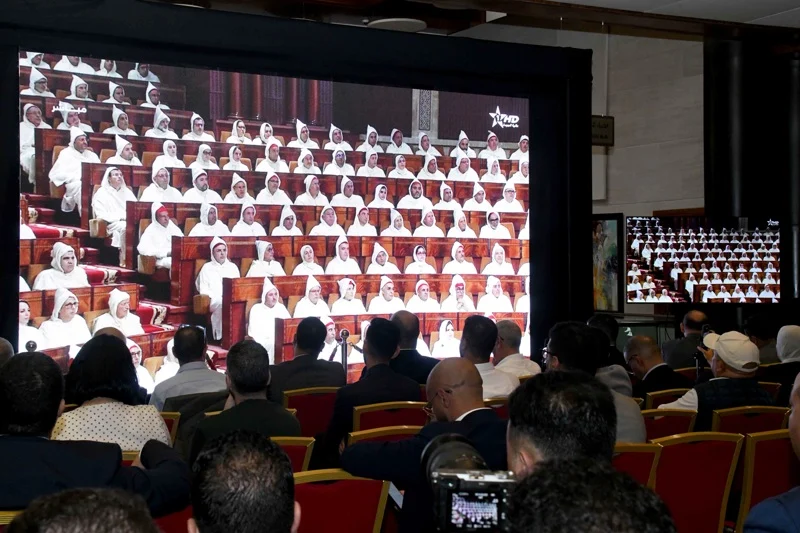
In a striking change of fortune, the moderate Islamist party PJD that has led Morocco over the last decade saw its power grip crushed yesterday, losing a whopping 113 parliamentary seats in a show of public dissatisfaction over the party’s policies, criticized for widening the poverty gap and failing to tackle economic reforms.
The party said in a press release today it would hold an extraordinary session of the party’s National Council on September 18 to “ take appropriate decisions.”
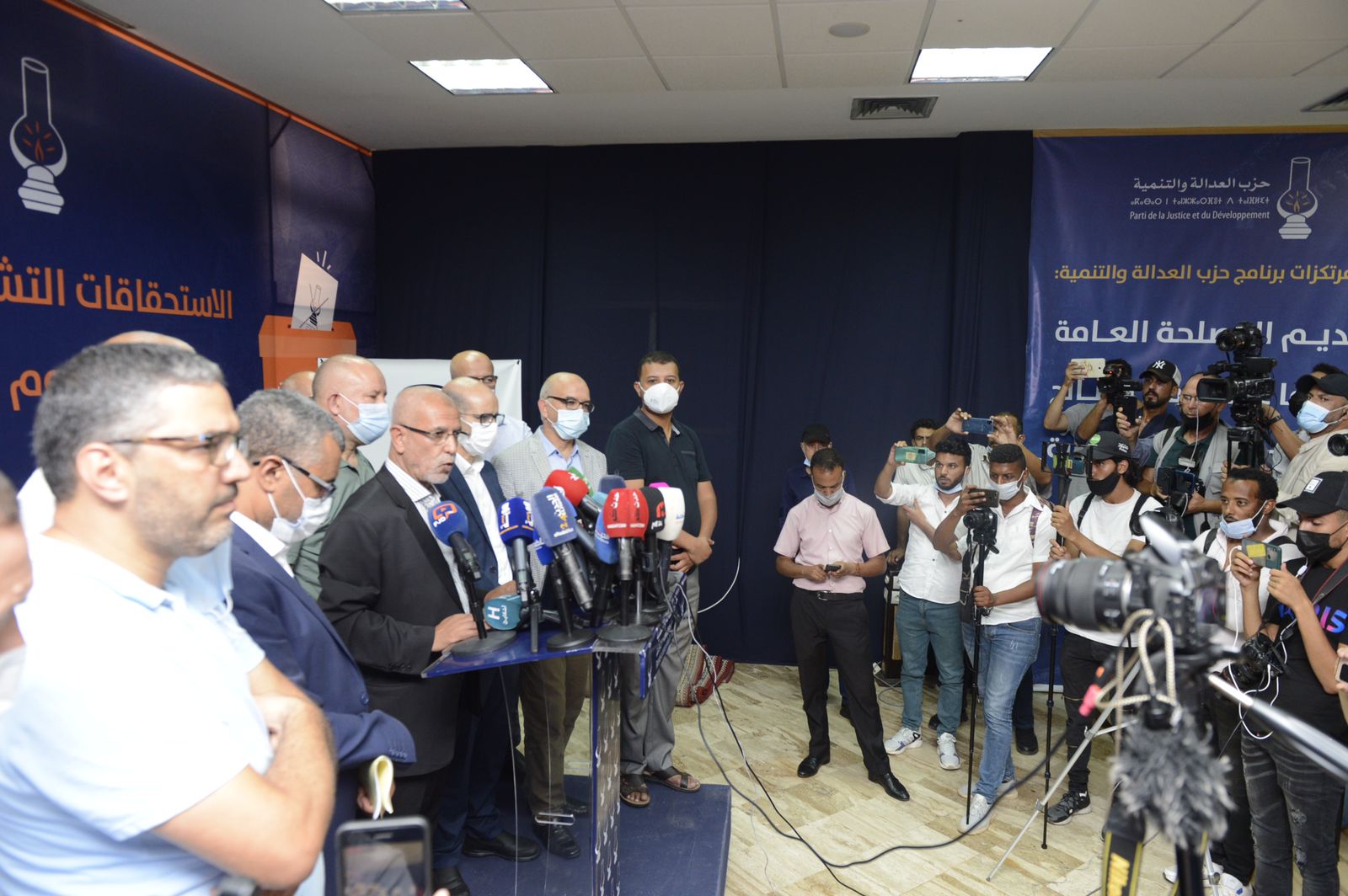
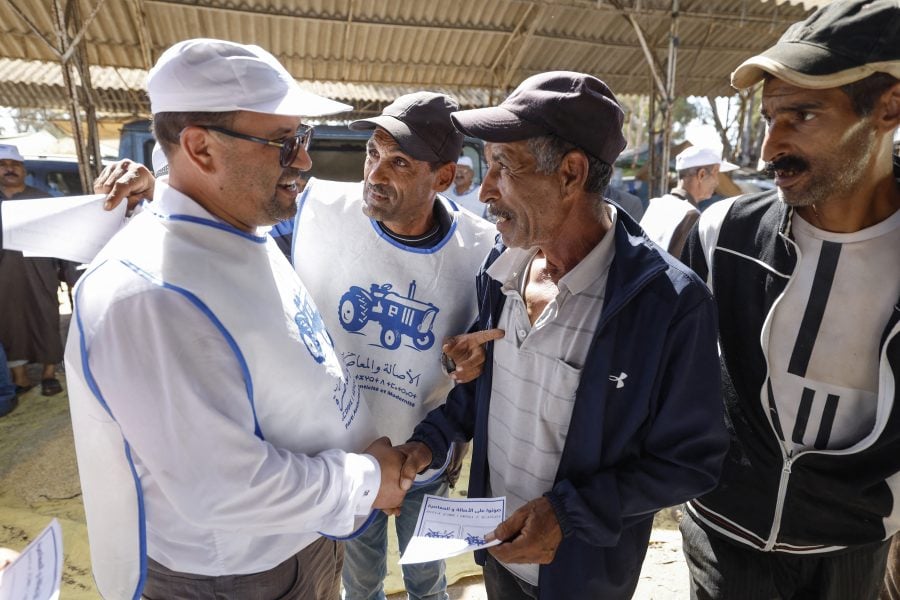
Following the preliminary results, The PJD leadership was quick to move towards accusing the winner of the legislative elections, the liberal RNI for using funds to buy voters and claims of withholding voter records from its candidates in several districts and provinces.
The bitter loss dragged on today with party members pressuring El Othmani to quit the party after he allowed an electoral system change to pass, allocating seats based on registered voters, rather than the ballots.
Several other bills, which the traditional Islamist party heavily opposed, still passed under its watch, the biggest of which is normalizing ties with Israel, and decriminalizing cannabis for medical use.
One of its senior members and former Minister of Higher Education, Lahcen Daoudi, on Thursday submitted his resignation, as the internal fabric of the party began showing cracks, reminiscent of a regional trend that exhibits a waning influence of the Islamists across the Arab world.
In Tunisia, months of public frustration over inadequate public policies, the Covid-19 crisis and trivial political feuds mounted in the July 25 protests and eventually Kais Saied’s unprecedented actions of dissolving the political elite, led by the Islamist Ennahda.
Morocco has largely evaded the troublesome instability rampant in the middle east and north Africa, and is seen as an economic stronghold and regional leader due to the King’s successful covid management and liberal economic policies, that sells well amongst foreign investors and western countries.
The win of RNI, led by Africa’s richest businessmen was observed by analysts as a catalyst to drive up Morocco’s economic growth.


add your comment
Terms of publication : Not to offend the writer, people, sacred things, or attack religions or the divine self, and refrain from racist incitement and insults.