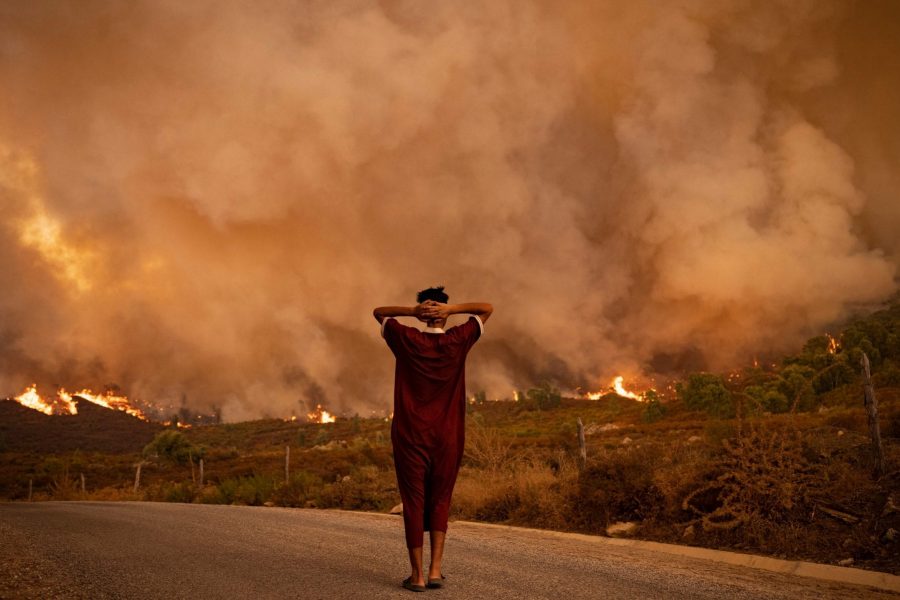
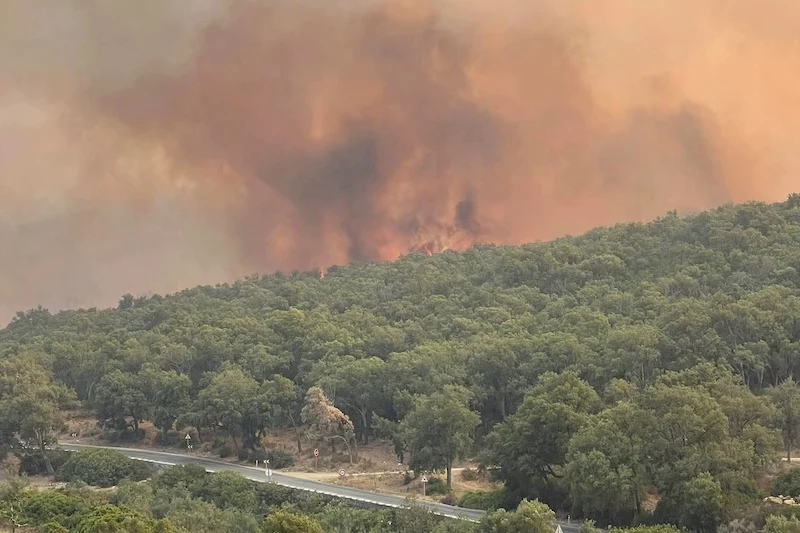
Standing over the foot of Jbel Tisuka with water buckets in hand, Red Cross volunteer Ilyas ahmidan traced the giant burning fire right to the top of the mountain. His eyes clouded by the bone-dry weather and strong gusts of wind pushing blazes into nearby villages in Chefchaouen.
But a few buckets of water were not going to tame a fire that had already ravaged 200 hectares of forest by Sunday night. “It moved quickly, from tree to tree and suddenly it became clear that it took control over the entire area,” Ahmidan said.
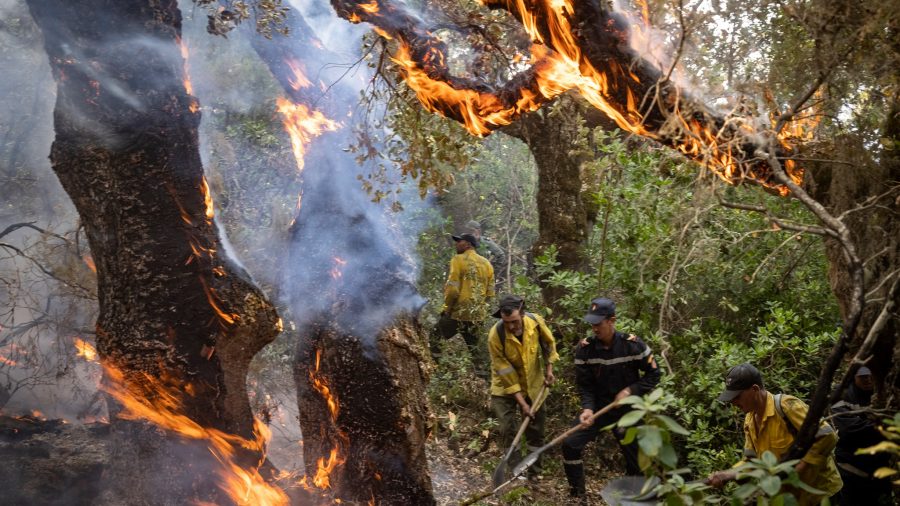
No one was hurt, but the fires delivered a scorching blow to an endangered species of trees called the Moroccan fir — a variety of pine native to the Rif Mountains of northern Morocco — where over a period of 60 years it suffered a 70% decline.
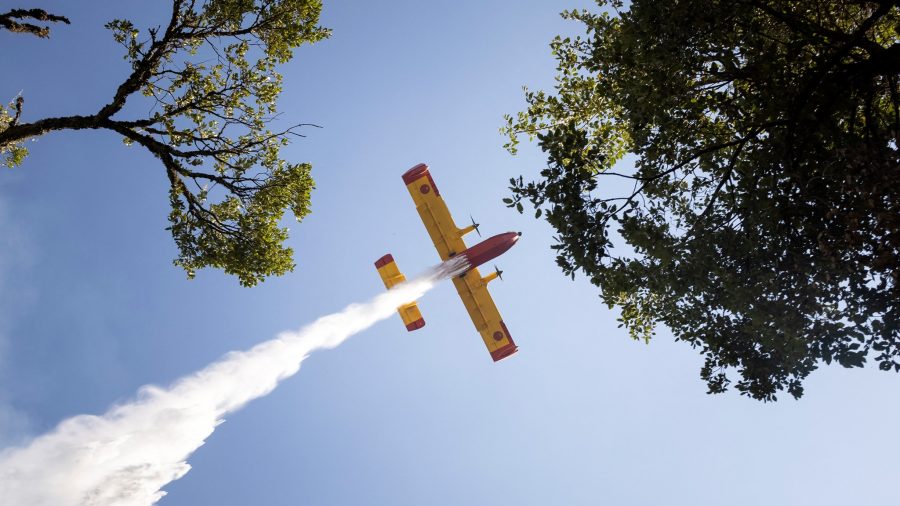
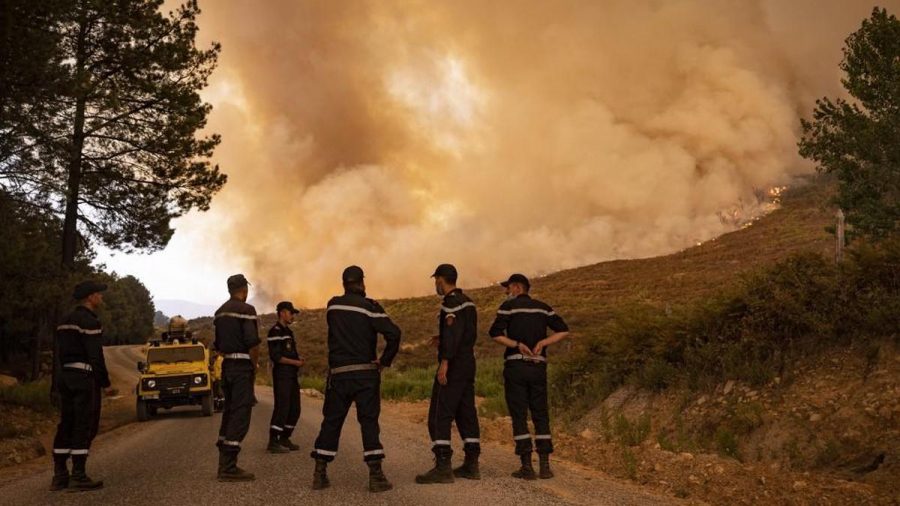
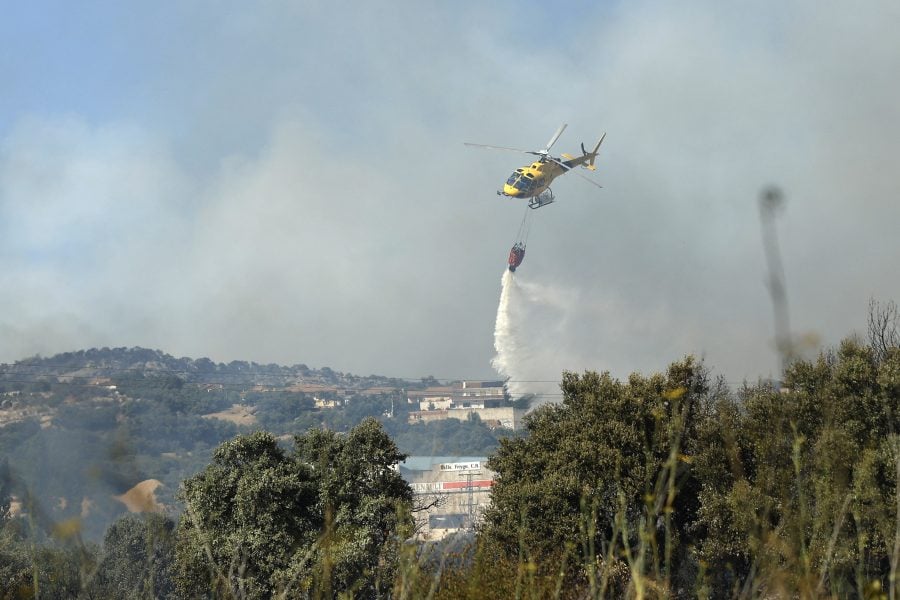
Four Canadair and around 520 firefighters stepped in to save the endangered trees and curb the blazes from reaching nearby homes after the fire laid siege to one village after another around the area.
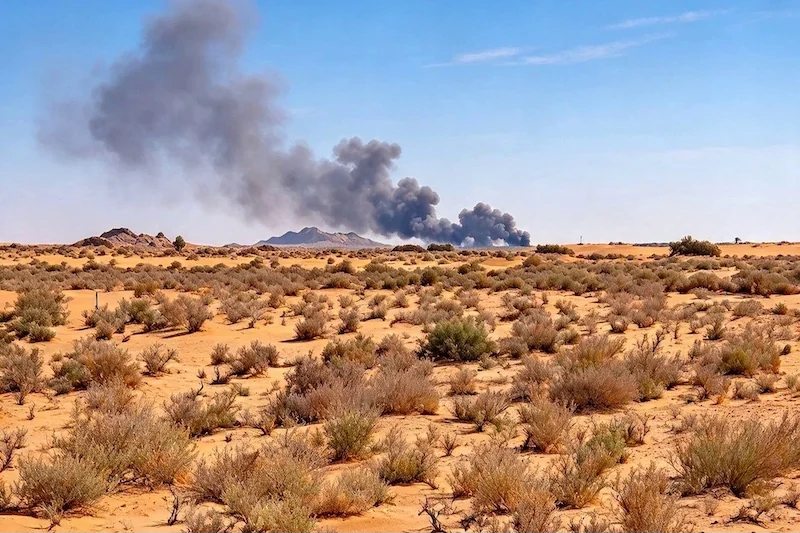
Firefighters have been toiling for the fourth day in a row to quench the fires and the thick suffocating smoke that has enveloped the region.
“This is very painful, three houses have been damaged, olive trees, hectares of forest are lost,” said local resident Hisham Zikh, his voice cracking with emotion, at times losing words to describe the scenes during a conversation with Hespress Eng.
He said the fires continued to burn, shrouding Chefchaouen this morning and creating a hazy appearance that almost blocks out the sun. Videos posted online by locals showed the sky turn red and orange, with monstrous plumes of smoke swaying in the air.
Another local resident, Anas Barbala described to Hespress English the same scenes of horror, saying whenever the firefighters succeeded in putting out a wildfire, another would rise up, compelling residents to flee their homes over fears of being touched by the blazes.
Farther down south, farmer Zaid Bouragaa is still recalling the images of the wilted, weeping palm trees, his chicken roasted half alive, gasping for air and budding anxiety of what to do now that the fires destroyed his home in Morocco’s Middle Atlas town of Taliouine last week.
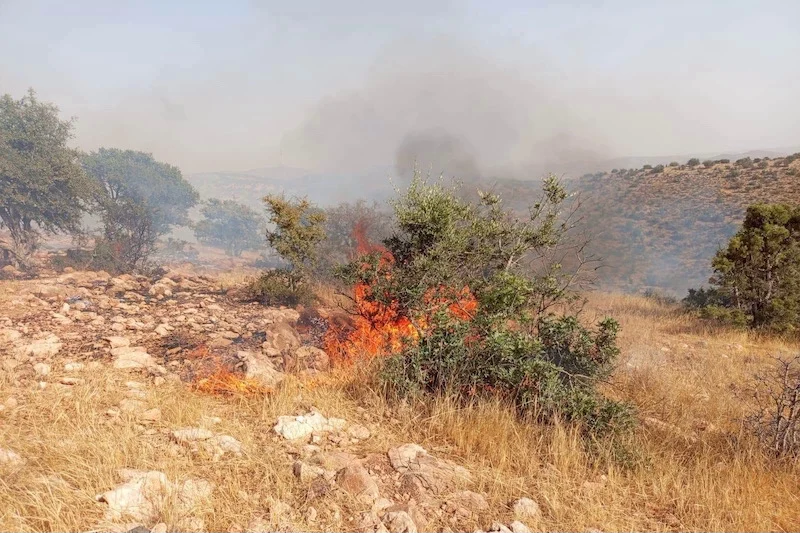
Unlike the fires that are raging across Mediterranean countries, burning for weeks, the fires in Bouregaa’s home lasted only a day or two. But that was enough for the flames to tear down 15 hectares of palm trees, high winds sending embers long distances, sparking new fires.
“I tried to save my sheep, some of them were burnt, and others I could not find until now. Really yesterday we had a very hard time, I can’t describe it,” Bouregaa said, his voice breaking with distress.
“I lost my land, my house, and my sister got burned, I lost a lot of sheep. I used to live with these sheep, they are my source of livelihood,” he said, hoping authorities would compensate him for his loss.
The fire was brought under control in joint efforts by the civil protection services and local inhabitants of the town, but fears remain that it might once again spark up as temperatures across Morocco in the last two weeks soared to 49 degrees celsius.
In Morocco, the peak fire season typically begins in late June and lasts around 17 weeks. Between August 24, 2020 and August 16, 2021, the country recorded 3,537 fire alerts, lost 41.0kha of relative tree cover, 0.1% more than the global total, according to Global Forest Watch figures.
The situation in Morocco reflects what’s happening in forests globally—from Siberia and the US to Greece and Algeria. The world is heating up so fast that in a decade’s time extreme weather will happen simultaneously with multiple climate disasters, such as droughts, floods, and storms, said the UN earlier this month.
Climate researchers are finding higher average temperatures increasing the length of the fire season and the number of places where fires can occur.
“Disturbances such as wildfire and insect outbreaks are increasing and are likely to intensify in a warmer future with drier soils and longer growing seasons,” said the Intergovernmental Panel on Climate Change (IPCC) in its fourth assessment report.
“Warmer summer temperatures are expected to extend the annual window of high fire ignition risk by 10-30%.”



C malheureux wlh Rabi m3ahom ??? lah yaltaf bina ya rab