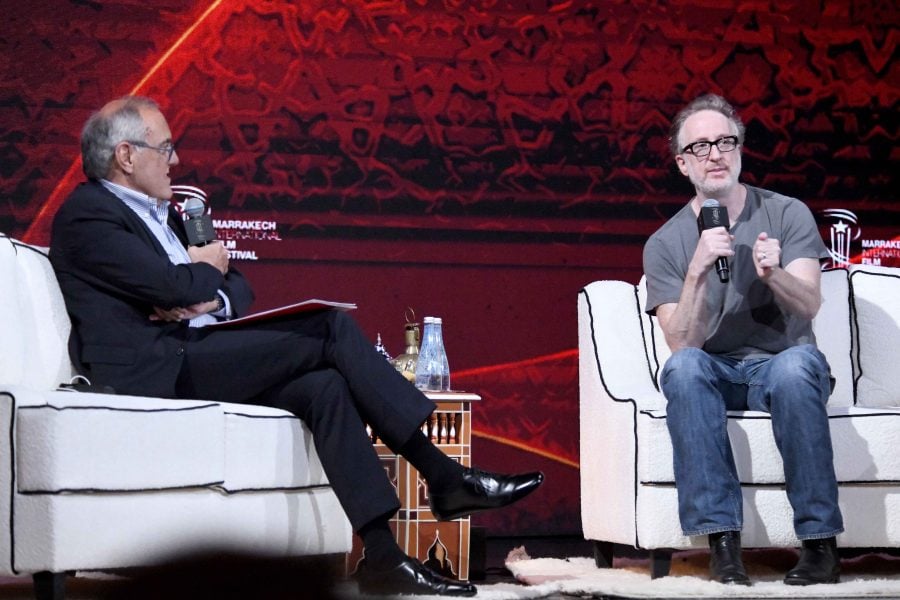
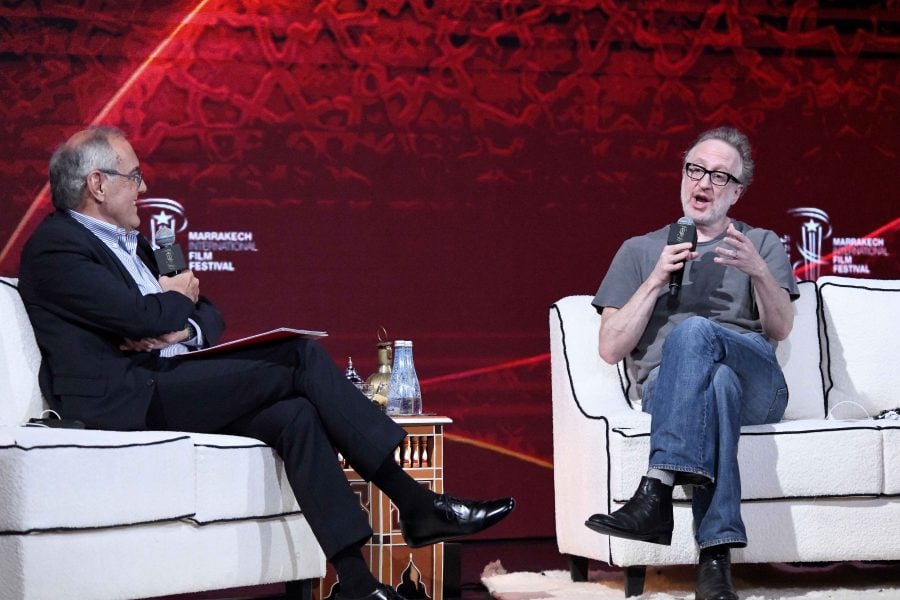
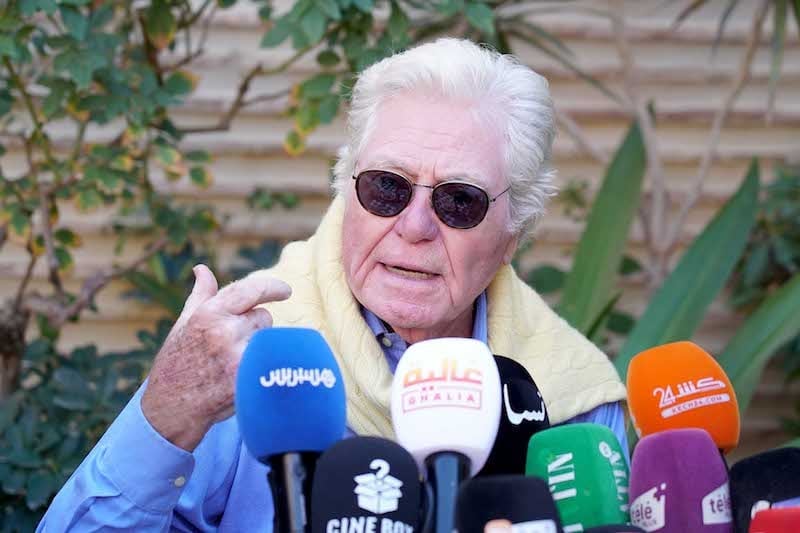
American filmmaker James Gray offered a candid, humorous look back at his three-decade career during a conversation with Alberto Barbera at the International Marrakech Film Festival.
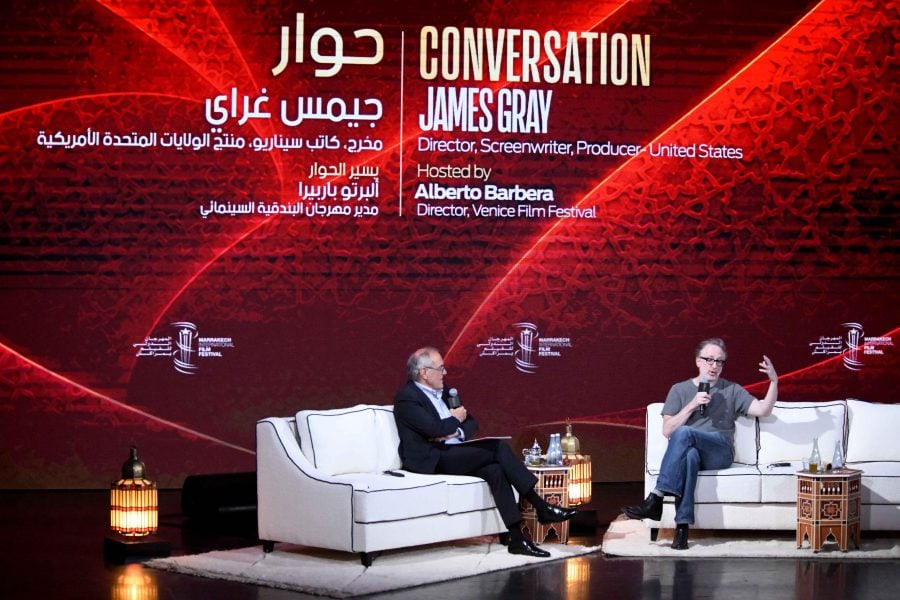
Raised in a working-class Queens family with no artistic connections, Gray recalled how seeing Apocalypse Now at age 10, and Raging Bull a year later, sparked his obsession with cinema. Though his mother warned he would never make it, Gray joked that her skepticism became his greatest motivator.
“I don’t think my mother intended this, it was a goad. It was like, “I’ll show you,” Gray said.

His 1994 debut, Little Odessa, was initially despised by New Line and slated to be shelved, until the Venice Film Festival selected it and a jury led by David Lynch awarded him the Silver Lion, saving his career overnight.
Discussing his recurring themes, Gray explained that family
remains his central focus because it holds “love and anguish in equal measure,” fueling the internal conflict where cinema’s magic happens.
Gray also opened up about losing final cut on his sci-fi drama Ad Astra during the Disney-Fox merger, likening studio interference to a stranger adding cumin to an Italian sauce.
Still, he praised star Brad Pitt’s improvisation, just as he celebrated Anthony Hopkins’s effortless performance in his deeply autobiographical Armageddon Time.
Closing the talk, Gray rejected the “melodrama” label often attached to his work, preferring to align his cinema with opera and composers like Puccini.
In an era obsessed with irony and deconstruction, he argued, audiences need sincere, unfiltered emotion, because “beauty and transcendence” matter most.




add your comment
Terms of publication : Not to offend the writer, people, sacred things, or attack religions or the divine self, and refrain from racist incitement and insults.