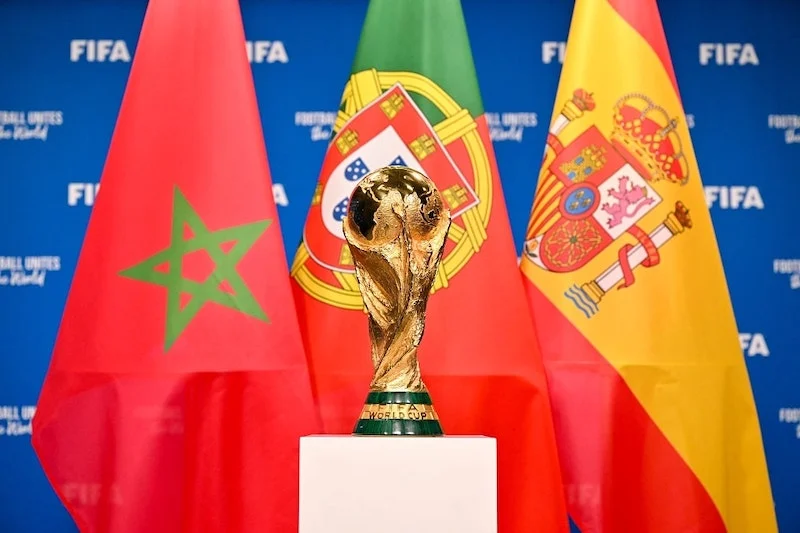
Spain’s campaign to host the 2030 World Cup final has intensified in recent weeks as the November 29 elections approach, with conservative People’s Party member and Madrid Mayor José Luis Martínez-Almeida describing the prospect of Morocco hosting the match as a “direct insult to Spain.”
According to Spanish media, Martínez-Almeida argued that Spain and Portugal had initiated the 2030 World Cup bid before Morocco joined, adding, “I feel sorry for Morocco…, but everything has its limits.”
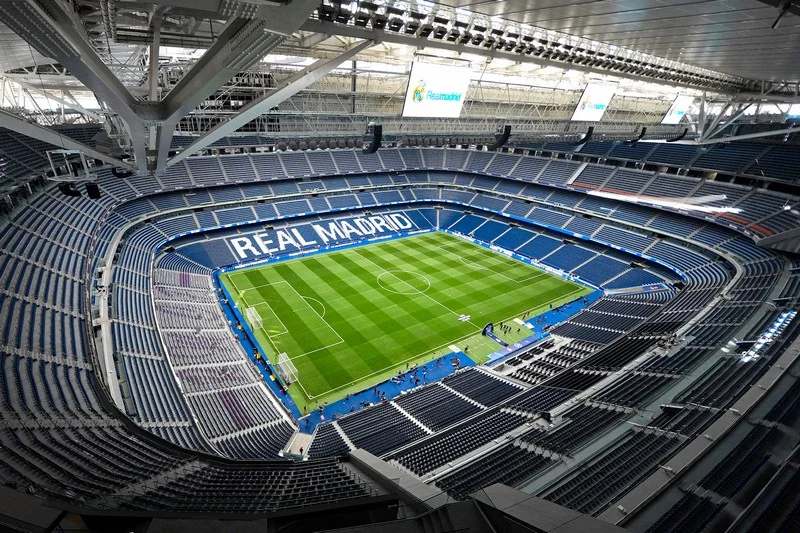
He said that Spain deserved to host the final because of its stadiums, infrastructure, and experience in organizing major sporting events, adding that Madrid should be the first choice, then Barcelona if the capital is not selected.
The spat has been unfolding for several months now, intensifying in mid-2026 as Spanish officials, media outlets, and social media users increasingly campaigned for their country to host the final, ahead of a decision reportedly expected in 2028.
Here is a timeline of the Spain-Morocco spat over hosting the 2030 World Cup final:
The 2030 World Cup was initially billed as a tournament bringing together three countries across two continents, each with a rich history and culture.
But the question of who would host the final soon began stirring debate as Morocco moved ahead with construction of its 115,000-seat Grand Stade Hassan II in Benslimane, banking on the venue to stage the showpiece match.
Spanish media began discussing Morocco’s chances of hosting the 2030 World Cup final as early as 2024, claiming the Kingdom could capitalize on the crisis engulfing the Spanish Football Federation back then, following a police search of its headquarters in Las Rozas.
Spanish media also raised concerns that FIFA’s growing focus on corruption in football could work in Morocco’s favor in the bid to host the final.
In April 2025, FRMF President Fouzi Lekjaa said he hoped to see the 2030 World Cup final played between Morocco and Spain in Casablanca, making the kingdom’s ambition to host the tournament’s biggest match very clear, particularly as the opening match venue had already been decided.
July 2026: Spain’s campaign for the final heats up
The debate over the final’s venue intensified in mid-2026, when the idea of Spain withdrawing from the tournament if FIFA awarded the final to Morocco began gaining traction among Spanish social media users and journalists.
On July 10, a social media campaign under the hashtag #OLaFinalONada called on Spain to withdraw from the 2030 World Cup if FIFA awarded the final to Morocco.
The campaign gathered pace after Spanish sports journalist Juanma Castaño claimed that US President Donald Trump was pushing for Morocco to host the final because of its close ties with Washington.
The claims followed reports that Trump had called FIFA President Gianni Infantino to request a review of the suspension handed to US forward Folarin Balogun after his red card during the 2026 World Cup, co-hosted by the United States, Canada, and Mexico.
A few days later, former Spanish Football Federation (RFEF) president Luis Rubiales claimed that a verbal agreement reached with Morocco and Portugal at UEFA headquarters had reserved both the opening match and the final for Spain.
He said the three parties had sealed the arrangement with a handshake, claiming that Morocco’s main condition was to be a full partner in organizing the tournament rather than host only a limited number of matches, an account a source within the Royal Moroccan Football Federation dismissed as “unrealistic and inaccurate.”
That same month, the Spanish far-right Christian conservative group HazteOir launched a petition urging FIFA President Gianni Infantino to award the final to Spain rather than Morocco.
The group argued that Spain deserved to host the match because of its footballing history and sporting merit, as well as the principle of continental rotation, which it said had previously been defended by the Royal Spanish Football Federation (RFEF).
August 2026: Ceuta migration crisis fuels Spain’s World Cup campaign
The Ceuta migration crisis in late July, which saw more than 70,000 people cross into the occupied city and left over 80 people dead, fuelled the debate over the 2030 World Cup final.
Spanish parties Sumar, Vox, and Podemos called on the government to reconsider Morocco’s role as a co-host of the tournament.
A similar call emerged in Portugal when the opposition Livre party pressed the government to drop Morocco from the joint bid, a demand Lisbon played down as it reaffirmed its commitment to hosting the tournament with Morocco and Spain, promising to deliver “the best World Cup ever.”
The debate took another turn in early August when The Times reported that FIFA President Gianni Infantino had promised Morocco the 2030 World Cup final in return for its support in the next FIFA presidential election.
FIFA swiftly denied the report, calling it “false and misleading” and saying the venue would be decided in due course.
Only then did Spanish officials start pushing harder for the final. On August 23, RFEF President Rafael Louzán said it would “make no sense” for the match to be held outside Spain, arguing that the country represented 55% of the tournament’s organizational weight.
The calls continued into September, when LaLiga president Javier Tebas warned that Spain’s chances of hosting the final would be “minimal or nonexistent” if Gianni Infantino was re-elected as FIFA president.
The warning came as Infantino faced growing criticism from football federations over his leadership and plans to sell a stake in FIFA’s commercial rights to private investors without consulting them.
Spanish Prime Minister Pedro Sánchez also vowed that his government would do everything possible to ensure the final was held in Spain.
2030 World Cup becomes an election campaign card
The race to host the 2030 World Cup final also featured in election campaigns in Morocco and Spain.
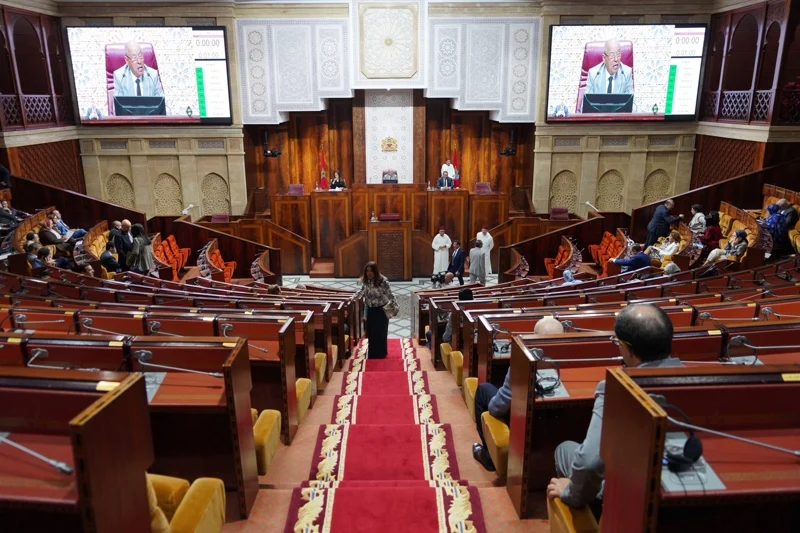
During Morocco’s campaign ahead of the September 23 legislative elections, Fouzi Lekjaa told a PAM rally in Bouznika on September 9 that the final would be held at the Hassan II Stadium in Casablanca.
But FIFA later reiterated that no decision had been made and that the venue would be announced “in due course.”
Spanish Football Federation President Rafael Louzán, meanwhile, insisted that Spain would not give up its bid to host the final easily.
In Spain, however, the 2030 World Cup has become a major campaign card ahead of early elections on November 29.
Alberto Núñez Feijóo, leader of the conservative People’s Party, has even threatened to withdraw Spain from co-hosting the tournament if it is not awarded the final, an idea Spanish Football Federation President Rafael Louzan ruled out this weekend.
Instead, Louzan stressed that Spain remains committed to co-hosting the World Cup while insisting that staging the final in Spain is “non-negotiable.”




add your comment
Terms of publication : Not to offend the writer, people, sacred things, or attack religions or the divine self, and refrain from racist incitement and insults.