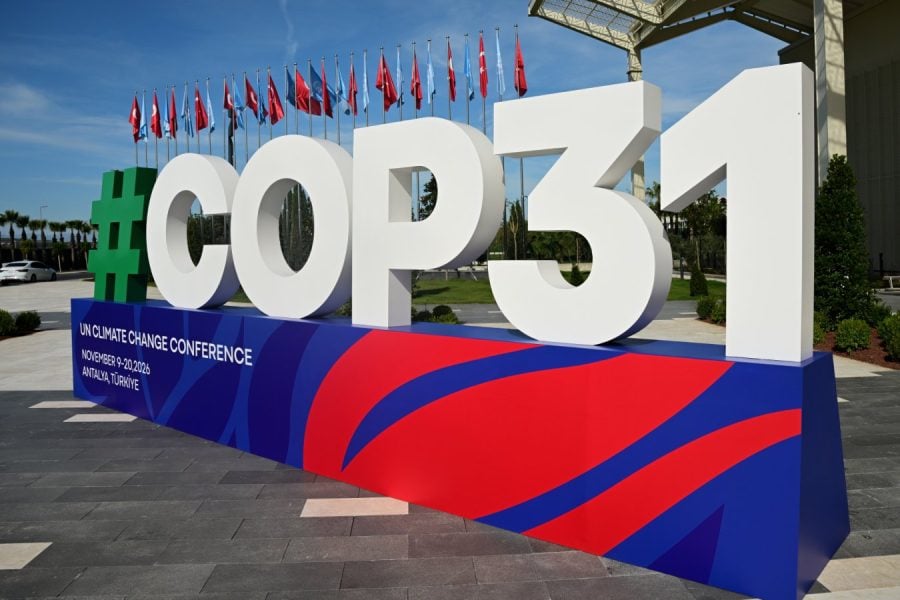
Morocco on Wednesday reaffirmed its commitment to pursuing the transition towards a circular economy based on the sustainable use of natural resources, waste reduction and recovery, and lower greenhouse gas (GHG) emissions, with a view to cutting methane emissions by 36.2% by 2030.
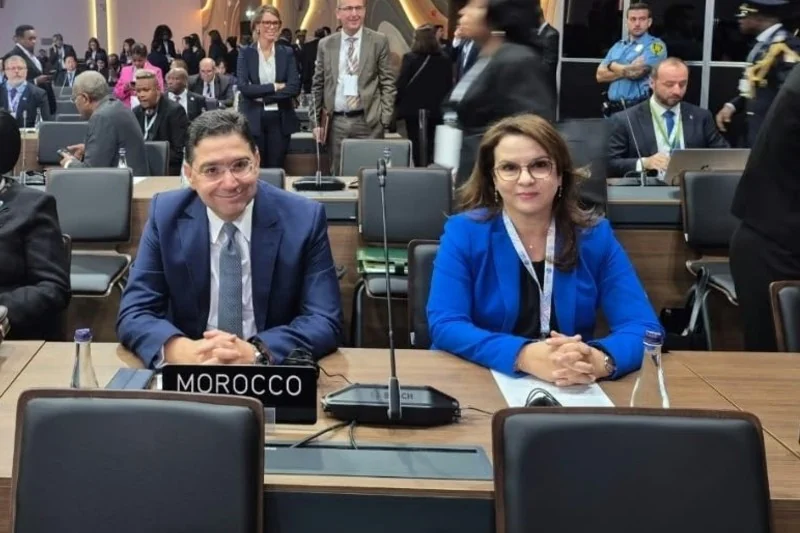
Speaking at a high-level event on the circular economy, zero waste and methane emissions reduction, held as part of COP31, Minister of Energy, Mines and Sustainable Development Charafat Afailal stressed that tackling climate change requires not only transforming energy systems but also changing production and consumption patterns, making better use of resources, and preventing and recovering waste.
The Kingdom, she said, intends to contribute to global targets aimed at reducing by at least 50% the projected increase in household waste and raising the circular material use rate to 15% by 2035.
In this regard, the National Sustainable Development Strategy 2026-2035 seeks to increase the recovery rate of household and similar waste from 8% in 2022 to 25% by 2035, she noted, adding that the Kingdom is preparing a national roadmap for the circular economy through 2040, focusing on resource sovereignty, the development of competitive circular value chains, the driving role of local territories and the promotion of responsible consumption.
Regarding methane, Afailal said that the national roadmap provides for 14 structural measures, notably biogas capture and recovery, the anaerobic digestion of organic waste and composting. Under the ambitious scenario, these measures are expected to reduce emissions by 36.2% by 2030 and 56.8% by 2050.
Planned projects include methane capture and recovery at 28 landfills, with an estimated reduction of 9.4 million tonnes of CO₂ equivalent over the 2026-2035 period, as well as the recovery of organic waste from agri-food industries, which could cut emissions by a further 1.2 million tonnes.
According to the minister, achieving these targets requires investment, appropriate infrastructure, capacity-building for local authorities and economic stakeholders, as well as public-private partnerships. She also stressed the importance of international cooperation in technology transfer, expertise-sharing and mobilizing climate finance.


add your comment
Terms of publication : Not to offend the writer, people, sacred things, or attack religions or the divine self, and refrain from racist incitement and insults.