
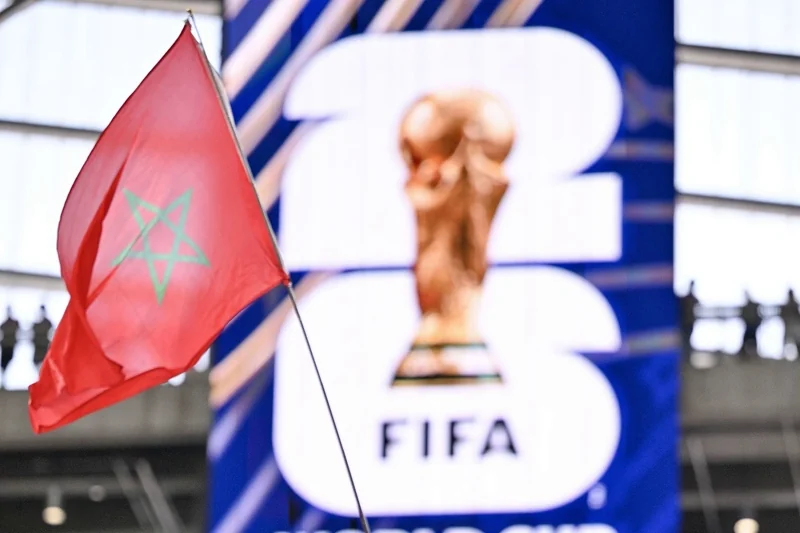
Morocco’s preparations for the 2030 FIFA World Cup are expected to deliver major infrastructure and economic benefits. However, a recent report warns that sustaining those gains beyond the tournament will depend on the country’s ability to turn its stadium investments into financially viable, regularly used facilities.
The report, Unlocking the Potential of Sports in Africa, jointly published by the World Bank, the French Development Agency (AFD) and the International Olympic Committee (IOC), highlights the risks of investing in expensive sports infrastructure without clear plans for its long-term use.
While hosting major sporting events can create jobs, attract tourists and improve transport networks, the report cautions that these benefits are not guaranteed to last once the competitions end.
Stadiums are particularly vulnerable to becoming costly, underused facilities if they fail to attract regular sporting events and audiences. Research covering 75 stadiums across 20 countries found that low attendance and the absence of a permanent club tenant can leave stadium operators facing financial difficulties.
Sports participation and attendance remain challenges
Morocco will also need to address gaps in sports participation and consumption to ensure its upgraded venues attract audiences beyond major international competitions.
According to the report, 51.5% of Moroccan men and 79.6% of women surveyed said they never follow sporting events, highlighting a substantial gender gap in sports consumption.
Safety concerns could further discourage stadium attendance. Participants in focus groups held in Morocco cited poor crowd management, stampedes and parking security as reasons for avoiding stadiums.
The report also identifies shortcomings in the implementation of Morocco’s previous sports strategies, pointing to insufficient human and financial resources as major obstacles.
Diversifying stadium use to secure long-term returns
To prevent expensive facilities from remaining underused, the report recommends diversifying stadium activities beyond football matches. Concerts, cultural events and regular sporting competitions could help generate revenue and cover operating and maintenance costs.
It also calls for stronger public-private partnerships to improve facility management and make sports infrastructure more accessible to local clubs, schools, young people and women.
The report’s findings underline a key challenge for Morocco’s 2030 World Cup preparations: ensuring that stadium investments deliver lasting social and economic benefits long after the tournament has ended.


add your comment
Terms of publication : Not to offend the writer, people, sacred things, or attack religions or the divine self, and refrain from racist incitement and insults.