Morocco’s security services resolved or processed 90% of recorded criminal cases in 2025, Interior Minister Abdelouafi Laftit said Thursday, while warning that the threat of terrorism remains.
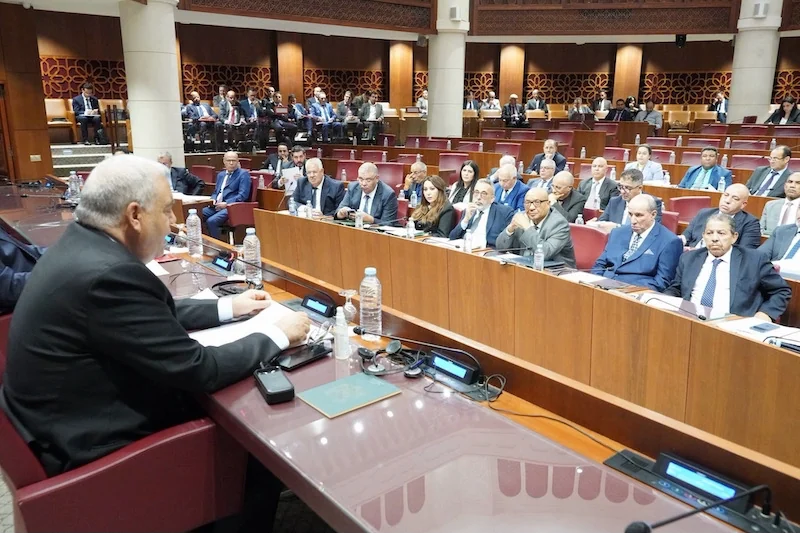
Speaking before the House of Representatives’ Committee on Interior, Territorial Communities, Housing and Urban Policy during a discussion of the Interior Ministry’s draft budget, Laftit said the ministry follows a security approach based on vigilance and prevention, including identifying threats and intervening before they develop into attacks against people or infrastructure.
He said such operations are conducted in accordance with the law and under the supervision of the competent judicial authorities.
Laftit stressed that counterterrorism efforts must extend beyond security operations to include preventing radicalization, protecting young people from hate speech and violence, and promoting moderation, tolerance and national values.
“The threat of terrorism remains,” he said.
The minister also highlighted public perceptions of security as a central concern for the Interior Ministry, saying authorities were working to contain crime by improving the effectiveness of security interventions, listening to citizens and responding more quickly to complaints and concerns.
He said efforts to combat crime and attacks against people and property rely on coordination among local authorities and security services, including continuous cooperation and information-sharing.
Laftit said the 90% rate of response and case processing recorded in 2025 reflected the capacity and mobilization of security services.
He added that effective security operations require an organized field presence, sustained deployment of resources and the ability to adapt to the needs of cities, rural areas and locations experiencing high population density or seasonal surges in activity.
Special arrangements are also required for national events, public gatherings and major demonstrations, he said, with responsibilities clearly assigned and coordination maintained among the authorities involved.
Laftit cited the Sept. 23 legislative elections as an example of such coordination, saying the vote took place in a safe and calm atmosphere thanks to operational preparations involving local authorities and security services. He said these arrangements helped citizens exercise their political rights in safety.
New emergency response infrastructure
The Interior Ministry is also seeking to expand territorial coverage through modern equipment and improved logistical resources, taking into account natural, technological and other risks, Laftit said.
He reported that 10 new emergency response centers had been completed, while construction had begun on five additional centers in several cities under agreements with partner institutions.
The ministry has also launched a project to build six storage facilities for the National Locust Control Center and allocated funding to expand and strengthen 15 administrative centers in different areas.
On forest fires, Laftit said Civil Protection services, working alongside local authorities and public security forces, had intervened to extinguish more than 300 fires.






add your comment
Terms of publication : Not to offend the writer, people, sacred things, or attack religions or the divine self, and refrain from racist incitement and insults.