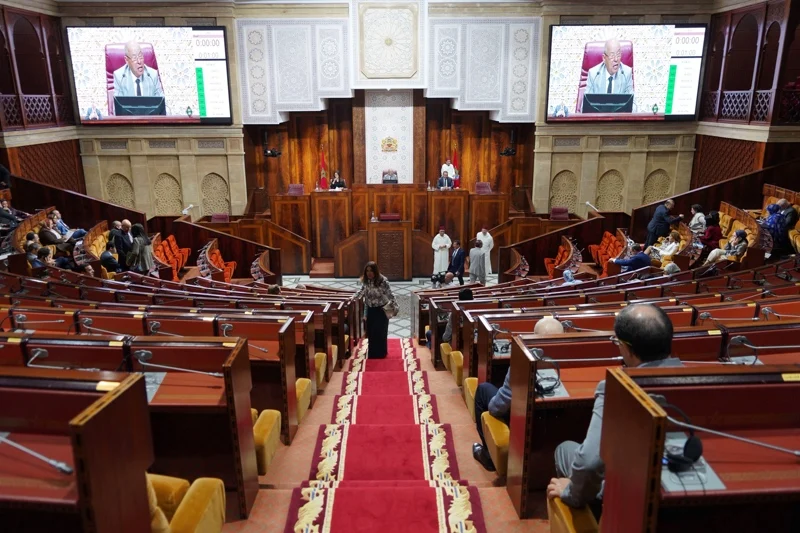
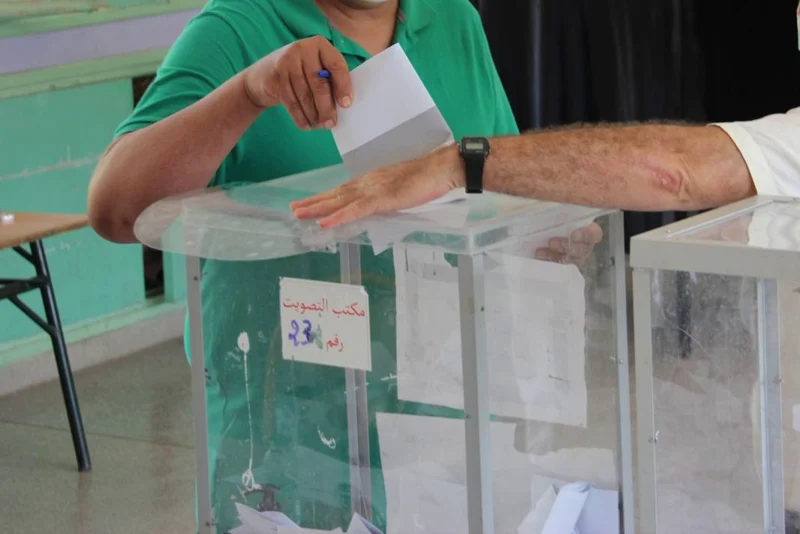
The results of the legislative elections held on September 23 showed an increase in the representation of young people in the new composition of Morocco’s House of Representatives.
According to statistics published by the élections.ma platform, MPs aged under 35 now account for 9.37% of the House’s total membership, compared with 8.35% in the previous legislature. MPs aged between 35 and 45, meanwhile, account for 14.94%.
The presence of young people is even more pronounced in regional electoral constituencies, where those under 35 top the distribution of elected members by age group, accounting for 33.22%, followed by those aged 45 to 55, who represent 26.67%.
Strengthening youth participation in political life is grounded in the provisions of the Constitution. Article 33 of the Fundamental Law provides for appropriate measures to broaden and generalize youth participation in the ongoing social, economic, cultural and political development process in the Kingdom, while promoting their integration into active and associative life.
The legal provisions governing elections have also helped strengthen the presence of young people in political and electoral life nationwide through incentive mechanisms, including a provision increasing sixfold the amount of funding allocated for each seat won by a young woman or young man in local electoral constituencies, compared with the amount allocated for each seat won by other candidates.
These provisions have also lowered from 40 to 35 the maximum age for young candidates whom political parties must place at the top of their candidate lists in regional and local electoral constituencies in order to qualify for public funding.
Commenting on this development, Atiq Essaïd, professor of public law and political science at Cadi Ayyad University in Marrakech, said that the legal innovations introduced under the new electoral system had encouraged political parties to field a large number of young candidates and strengthen the position of this social group, particularly within party structures.
The simplification of procedures and the adoption of digital transformation to provide services and information related to the electoral process, alongside the various legal, financial and institutional mechanisms put in place, have broadened opportunities for youth participation and strengthened their political representation, he told MAP, noting that the increased presence of young people in Parliament reflects tangible progress in expanding political participation and renewing elected elites.
In his view, this development also helps strengthen confidence in institutions and bring young people closer to political and party action, moving from merely expressing their aspirations and expectations to effective institutional participation and greater involvement in decision-making within Parliament.
Beyond its quantitative dimension, this dynamic also raises issues related to young people’s ability to contribute to the renewal of parliamentary elites and enrich legislative debate.
On this point, Essaïd noted that the presence of young people in elected institutions could help enrich parliamentary debate by conveying the concerns of younger generations and offering views aligned with their priorities and aspirations. This would make it possible to address new issues in tune with the profound changes taking place in society.
He also stressed that youth participation could serve as a lever for revitalizing parliamentary practice and developing communication mechanisms between institutions and different generations, while enabling young people to contribute effectively to sustainable development through concrete, realistic and implementable proposals in the short and medium terms.
Thus, the significance of youth representation in the House of Representatives lies not only in the numerical increase in their presence, but also in their ability to turn this presence into active participation in legislative action and oversight of government action, as well as into initiatives reflecting the concerns of younger generations and helping strengthen their role in the decision-making process.



add your comment
Terms of publication : Not to offend the writer, people, sacred things, or attack religions or the divine self, and refrain from racist incitement and insults.