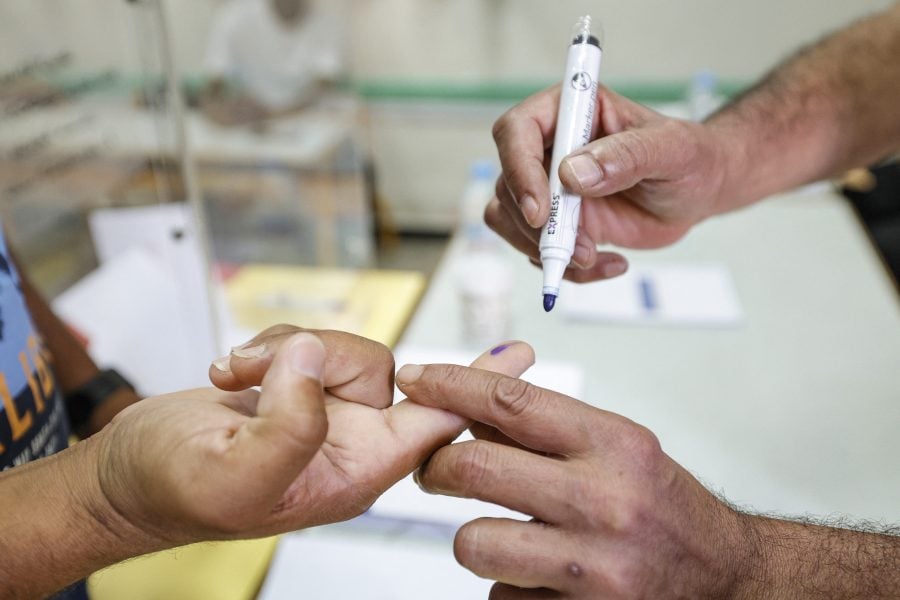
Prosecutors in Tangier opened an inquiry into a video showing a transparent ballot box containing several white envelopes, as police separately detained a person at Al Quds School in Casabarata on suspicion of possessing illegal ballot papers.
Under Morocco’s electoral law, voters must take a single ballot themselves, mark it in the voting booth, fold it and personally place it in the ballot box. The law separately criminalizes tampering by election officials responsible for receiving, counting or sorting ballots, including removing valid ballots, adding ballots that do not belong or deliberately spoiling them.
Interfering with the ballot
The law imposes some of its heaviest penalties on interference with voting operations.
Article 58 provides for five to 10 years in prison and a fine of MAD 50,000 to 100,000 for certain acts that violate electoral operations, including breaking a ballot box or compromising the secrecy of the vote. Article 59 carries the same penalty for taking possession of a ballot box before the ballots inside it have been counted. Article 67 separately criminalizes fraud committed in a polling station or counting office, including through digital means.
What counts as vote buying?
Morocco’s electoral law prohibits attempts to influence voters through money, gifts, donations, job promises or other benefits.
Under Article 62 of Organic Law 27.11, anyone who offers or uses such benefits to obtain a vote, or to persuade someone not to vote, can face two to five years in prison and a fine of MAD 50,000 to 100,000.
The rule also applies to people who accept or solicit the benefits, as well as intermediaries who help arrange them. The law covers the period from publication of the decree setting the election date through the announcement of the results.
That means if investigators establish that money or another benefit was offered to influence how people vote, it can amount to a criminal offense.
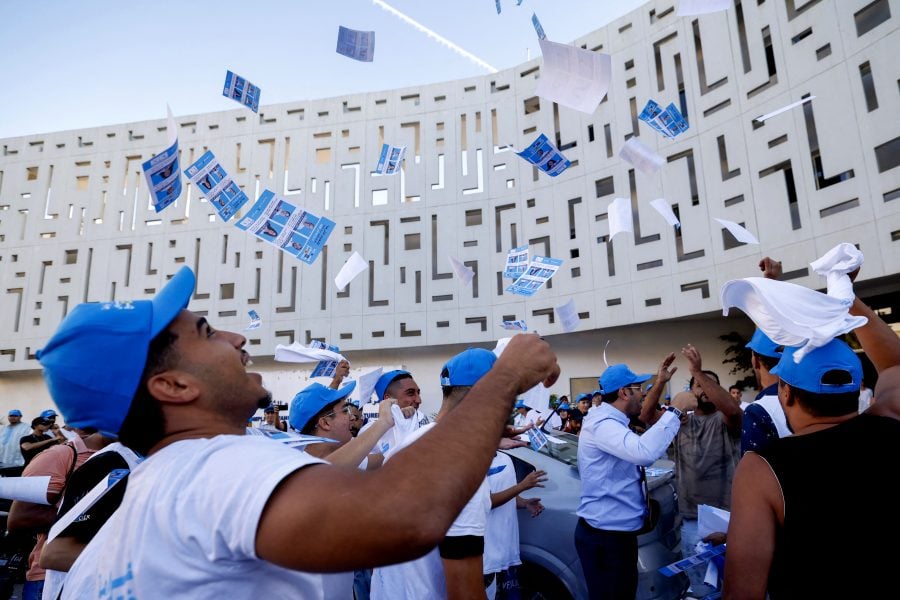
Election-day campaigning is covered separately. Article 39 prohibits anyone from publishing or distributing campaign advertisements, leaflets or other electoral material on polling day, either directly or through someone else.
The 2026 law explicitly includes social networks, open-broadcast networks, artificial intelligence tools, online platforms, internet applications and information systems. The penalty is three to six months in prison and a fine of MAD 20,000 to 50,000.
The law is also tougher on public officials who use their position to campaign. A public employee or local-government official who distributes candidates’ material while carrying out their duties, or encourages voters to support a particular candidate or party, can face six months to one year in prison and a fine of MAD 50,000 to 100,000.
So who investigates when someone reports vote buying or illegal campaigning?
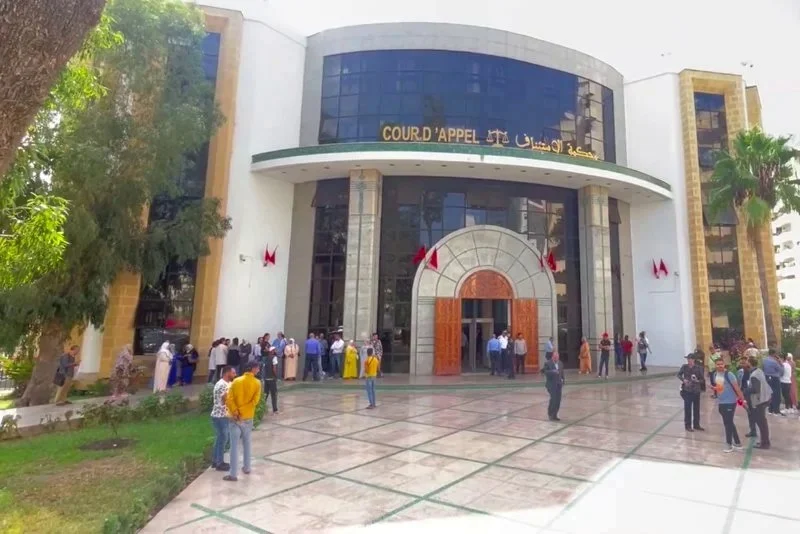
The Public Prosecution is responsible for pursuing electoral criminal complaints through the courts, working with the relevant authorities.
Ahead of the 2026 vote, the
Presidency of the Public Prosecution instructed prosecutors at appeal and first-instance courts to monitor the electoral process, investigate complaints quickly and effectively and bring people who violate electoral law before the courts.
During the 2021 elections, the
National Human Rights Council said it recorded 49 cases involving allegations that cash or in-kind gifts were being used to attract voters. 38 of those cases involved alleged attempts to attract voters with cash.
The council also said public forces had arrested people over the distribution of cash and in-kind gifts.
One case came from Fez on election day itself. Fouad Ben Taleb, then the
PJD’s campaign director in Fez, said the party had documented what it described as serious violations, including the use of money to attract voters in poorer neighborhoods.
He said the party had submitted about 10 complaints to the King’s Prosecutor, accompanied by evidence that it said supported the allegations.
The same PJD statement alleged that some polling-station presidents had refused to give party representatives copies of voting records and that some party representatives had been asked to leave before counting.
Election-day campaigning was documented too. CNDH observers said that at 1.9% of the observation sites they monitored, people were distributing leaflets urging voters to support a particular electoral symbol.
The observers recorded other breaches of electoral silence, including campaign stickers remaining on cars and posters still displayed after midnight.
The
Council of Europe’s election observers reported even more direct evidence. Its 2021 mission said NGOs and observer groups had raised allegations of widespread vote buying, controlled voting and voter intimidation. One of its own teams witnessed an attempted vote-buying incident in Rabat.




add your comment
Terms of publication : Not to offend the writer, people, sacred things, or attack religions or the divine self, and refrain from racist incitement and insults.